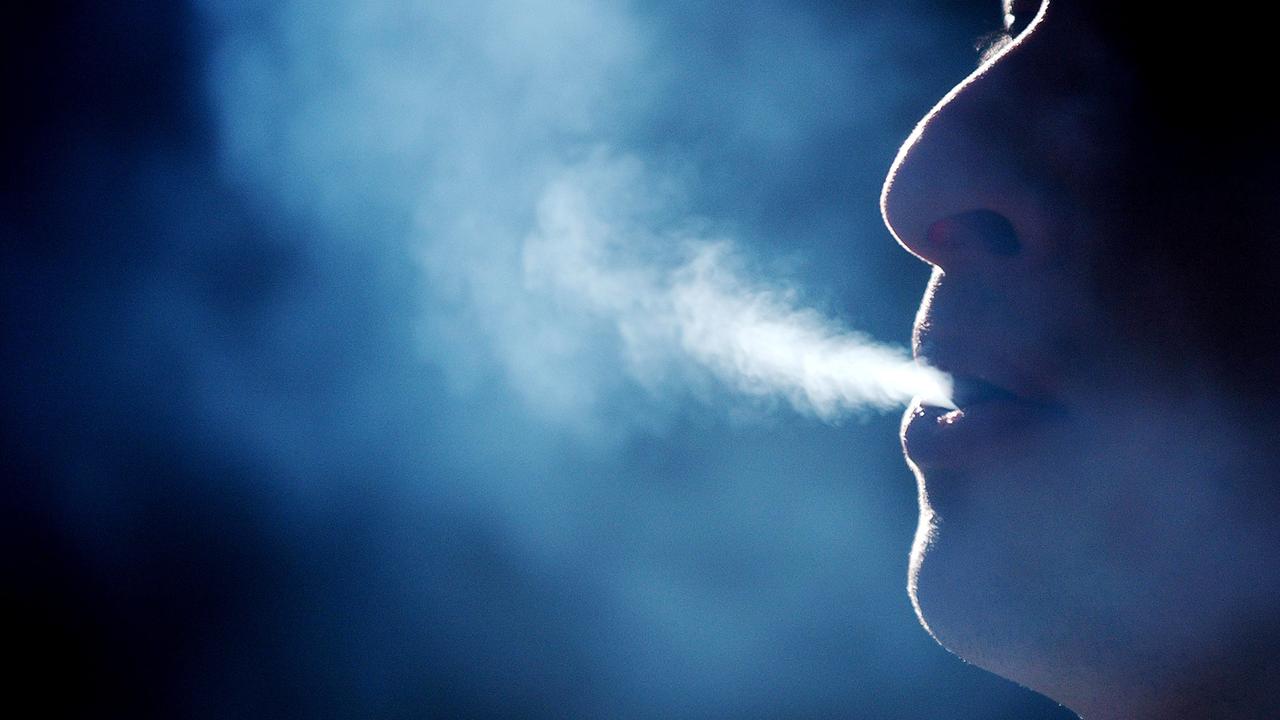
Too many illicit cigarettes are still ending up between Aussie fingers as lawmakers oscillate between cracking down on shady vendors and squeezing them out financially.
Illicit tobacco now comprises 50 to 60 per cent of Australia's total tobacco trade, the Illicit Tobacco and E-cigarette Commissioner estimates, steering up to $11.8 billion in excise away from federal coffers.
Every state and territory except the NT has proposed or passed tougher tobacco legislation since January 2025, licensing retailers, shutting shops, increasing fines and seizing more cigarettes.

Queensland and South Australia topped a tobacco enforcement league table compiled by advocacy group the Australian Council on Smoking and Health (ACOSH), earning praise for mobilising compliance officers and banning online sales.
Others lag far behind, with fifth-placed Victoria home to just 14 enforcement officers compared to more than 200 in Queensland.
"We need enforcement on the ground, but not only the laws for enforcement - we also need boots on the ground," the council's chief executive Laura Hunter told AAP.
States were also far too loose with licensing, Ms Hunter said.
"If I were to get a piece of paper in WA right now and fill it out ... I could sell tobacco tomorrow," she said.
"If I was to get a liquor licence, I would have to go through property checks, police checks, community hearings in local councils ... it is way too easy in this country to possess and sell tobacco."
More than 90 per cent of Australians are not daily smokers, but the country is home to about 40,000 tobacco retailers - far exceeding the roughly 7000 petrol stations and 6000 pharmacies nationwide.
While some argue in favour of choking off supply, the black market's staggering profitability and the inventiveness of criminal sellers limit the impact of tougher crackdowns.

"Criminal networks ... absorb enforcement losses as a routine cost of doing business," Australian Border Force said in a submission to an ongoing Senate inquiry into illicit tobacco.
"(They) rapidly reconstitute supply chains following enforcement action."
Cutting the tobacco excise could constrict criminals' profits by lowering their price ceiling, potentially squeezing illicit tobacco out of the market, but this makes public health experts bristle.
"The argument to reduce the tobacco tax is a little nonsensical," University of Sydney tobacco control researcher Christina Watts told AAP.
"Reducing the tax to 2019 levels ... in the 20-something dollars, that's still not going to compete with an illicit product at $15 or even as low as $7 or $8 that we're seeing."
Illicit tobacco networks might also be too well-entrenched for an excise slash to make a dent, economic research institute e61 argued in December.
It favoured a mix of stricter enforcement and prudent financial leveraging, saying public health advocates might need to make tobacco cheaper.
Both major parties oppose cutting the excise.