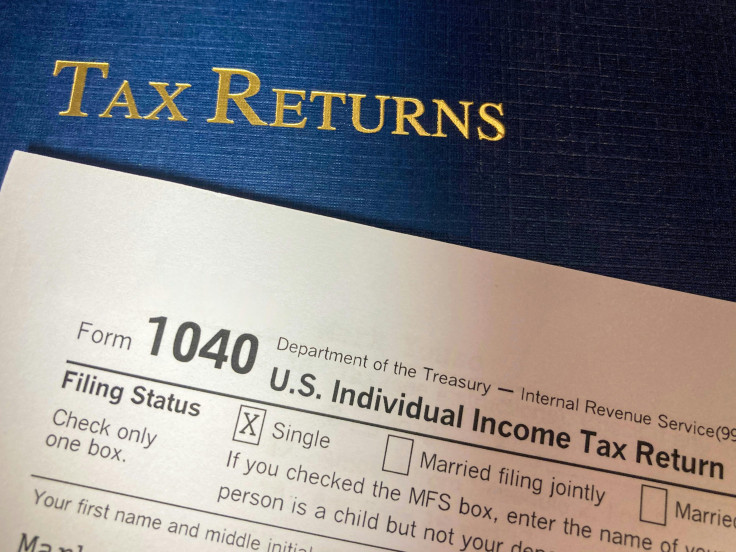
Tax season has officially kicked off, which means millions of Americans are once again digging through emails, envelopes and online accounts looking for tax forms, or wondering whether they can put it off for another week.
If you're getting ready to file your federal tax return, here's a clear, no-nonsense guide to what matters most this year.

When do you have to file?
The IRS is now accepting tax returns, and the deadline to file, or request an extension is April 15.
If you owe taxes, the money is still due by April 15 even if you file for an extension. An extension only gives you more time to file paperwork, not more time to pay.
Should you file right away?
It depends.
If you already have all your forms, like your W-2 from work or 1099s for freelance or gig income, filing early can help you get your refund faster and reduce the risk of tax fraud.
But tax professionals say it's smart to wait if you're still missing documents. Filing too early and forgetting income can mean filing an amended return later, which slows everything down.
The standard deduction vs. itemizing
Most Americans take the standard deduction, which reduces how much of your income is taxed without needing receipts or extra paperwork.
But some people may benefit from itemizing, especially if they paid a lot in:
- State and local taxes
- Mortgage interest
- Property taxes
- Charitable donations
If your itemized deductions add up to more than the standard deduction, itemizing could lower your tax bill — but it takes more work.
Common deductions and credits people overlook
Here are a few tax breaks people often miss:
- Child tax credit – Parents may qualify for a credit for each eligible child, which can directly reduce taxes owed.
- Education credits – If you paid college tuition or student loan interest, you may qualify for a tax break.
- Retirement contributions – Money put into certain retirement accounts may lower your taxable income.
- Health insurance credits – If you bought insurance through the marketplace, make sure your information matches IRS records.
Credits are especially valuable because they reduce your tax bill dollar for dollar.
What about refunds?
Most people want to know one thing: When will my refund arrive?
If you file electronically and choose direct deposit, refunds are usually issued within about three weeks, sometimes sooner.
Paper returns take much longer — often several weeks or more.
You can track your refund using the IRS' "Where's My Refund?" tool once your return is accepted.
Free ways to file
You don't always need to pay to file your taxes.
- IRS Free File offers guided tax software for eligible taxpayers.
- Volunteer tax programs help seniors, people with disabilities and lower-income filers prepare returns for free.
- Fillable Forms are available for anyone comfortable doing their own taxes online.
Just make sure you're using legitimate IRS-approved services, not look-alike websites.
Mistakes that cause delays
Small errors can slow down refunds or trigger IRS letters. Common problems include:
- Wrong Social Security numbers
- Misspelled names
- Incorrect bank account info
- Forgetting income from side jobs or apps
Double-checking before you hit "submit" can save weeks of frustration.
Final advice
If your tax situation is simple, filing yourself is usually fine. If you had major life changes, like getting married, buying a home, starting a business or dealing with investments, it may be worth talking to a tax professional.
And remember: filing doesn't have to be stressful. Taking a little time now can help you avoid headaches later and possibly put more money back in your pocket.