
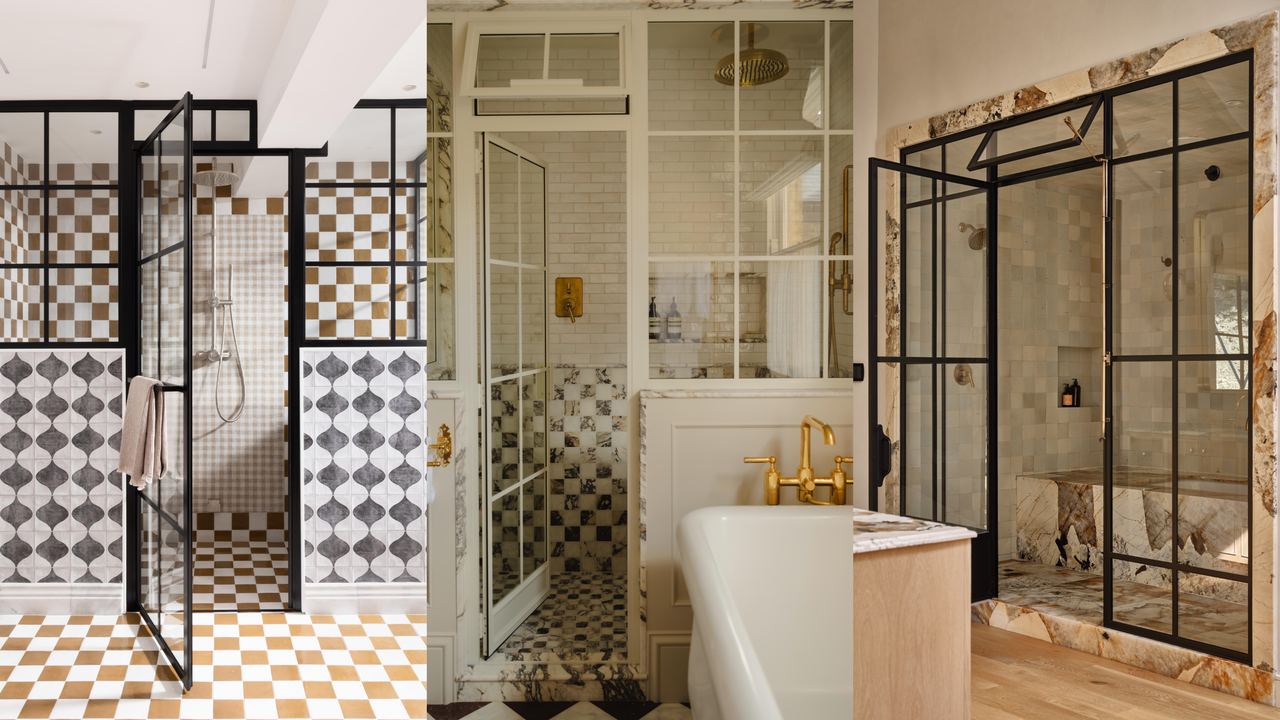
For as long as I can remember, the latest trends in bathroom design have prioritized cutting-edge modernity. It's all about high-tech features, with showers that know your ideal temperature and toilets that sing to you. But now, if the newest shower trend is anything to go by — 'conservatory showers' — the pendulum seems to be swinging back the other way.
"Bathrooms are no longer just functional spaces," explains Duncan Waters, managing director at West One Bathrooms. “Homeowners want their bathrooms to feel restorative — light-filled, calm, and connected to nature. With the right materials and thoughtful design, a bathroom can become a rejuvenating retreat."

And when it comes to light-filled, restorative design, there's no beating a conservatory. Or, it seems, a conservatory shower.
What Is a Conservatory Shower?

So, what exactly is a conservatory shower? As you might expect, the design takes inspiration from the glass-clad conservatories, also known as orangeries, often found attached to the back of a home. While in their original form, these spaces were intended to house plants, they are now more commonly used as general living areas.
And while this new interpretation of the style has drifted even further from its original plant-growing function, the connection to nature remains central to the design. "A conservatory shower is a shower space designed to feel closer to the outdoors, while remaining entirely within an indoor bathroom," explains Keeley Sutcliffe, design manager at BC Designs.
As Keeley mentions, although the goal is to create a space that emphasizes the outdoor world, this design in no way relies on any physical outdoor presence. "The term refers to the quality of light and openness it creates, rather than it being an external or semi-outdoor feature," Keeley says. It is not an outdoor shower, nor is it even partially so, but the effect created should be one of a garden-like atmosphere.
This is largely achieved through the reliance on glass within the design, mimicking the look of a conservatory or greenhouse. "Rather than being enclosed by solid walls, a conservatory shower typically uses large areas of glazing, overhead glass panels or rooflights to flood the space with natural light and create a visual connection to the garden, courtyard or surrounding landscape."
The effect of this can make your modern bathroom feel like a retreat, light-flooded, and naturally zen, especially when compared with the solid, harsh lines used in other shower designs. The transparency of the glass opens up the sight lines, "allowing the eye to travel further across the room, softening the harder, more functional elements of the space," says Keeley.
What Interior Design Style Do Conservatory Showers Best Suit?

Much like conservatories themself, this style of shower can be interpreted in a wide array of ways. Sleek lines and uninterrupted glass planes can create a more contemporary look, great for modern bathrooms, while Crittall doors may work better in a more classic space.
Regardless of the finish, these showers will always look good when used in spa bathrooms, where the emphasis is on creating a relaxing, calming atmosphere. "Conservatory showers tend to sit most comfortably within spa-inspired, architectural, or softly modern bathrooms, where clean lines are balanced with warmth and texture," says Keeley.
Conservatory showers look particularly effective in spaces with original, period features. "They also work well in sensitively updated period homes, particularly where bathrooms overlook greenery, and the aim is to create a quieter, more restorative retreat rather than a purely functional room," says Keeley.
As wonderful as they can look in antique-inspired bathrooms, with roll-top freestanding tubs and period features, the adaptability of the style means they're effectively timeless in finish, and work well in bathrooms that reflect this.
"Conservatory-style showers suit bathrooms that lean towards a clean, timeless aesthetic, where light, natural materials, and softly architectural finishes bridge indoor comfort with outdoor charm," says Louise Ashdown, from West One. Features like arched doorways and large windows overlooking the garden make for particularly striking pairings with a conservatory shower.
How to Style a Conservatory Shower

The essential essence behind this design feature is a wellness-led, indoor-outdoor approach to bathroom design. And while this is well communicated by the design in and of itself, it doesn't hurt to play it up through styling.
"Styling should focus on enhancing the indoor/outdoor feel," recommends Lydia. This can begin with the soft, textural elements you include, like "rattan and textured linens", as well as the lighting. Lydia suggests using "layered lighting with soft uplighting and warm, diffused ceiling lights." To further highlight the indoor-outdoor aspect of this design, find some of the best plants for bathrooms. Lydia recommends "introducing plants such as ferns, trailing greenery, or other humidity-loving species to create a garden-room softness."
The striking, structural design of conservatory showers takes the pressure off the styling — you won't have to do too much to make it look good — so allow yourself a more laidback approach in this space. "Styling should be understated, allowing the structure, light, and views to take precedence," agrees Keeley.
Much of the design's impact comes from the bathroom's architecture and the materials used. "Slimline frames, minimal brassware, and built-in storage help maintain a sense of openness, while planting outside the glazing becomes an integral part of the design rather than a backdrop," says Keeley.
"Material choice is equally important," she continues. "Porcelain or natural stone-effect tiles with matt or honed finishes help diffuse light, while durable metal finishes such as brushed nickel or stainless steel suit the high-moisture environment. Used carefully outside the immediate wet zone, timber-effect finishes can add warmth, reinforcing the indoor-outdoor feel without compromising performance."
Materials with natural, textured finishes, like timber, brushed nickel, and natural stone tiling, all work to counteract the potential sterility that comes with glass-heavy designs; they introduce a greater sense of depth and richness to the room.
Similarly, Louise says, "Materials that feel light, bright, and slightly architectural work beautifully, including painted metal frames, textured or reeded glass, reflective surfaces that bounce light around the room, off-white or muted pastel tones, natural woods for warmth, and polished brass or soft metallic details that add a gentle glow reminiscent of sunlight hitting metalwork."
These warmer, softer finishes help make the room feel more welcoming and create more visual links to the outdoor world.
Conservatory Shower Accessories
This brushed brass tap and spout set has a lovely, vintage effect to it that would pair beautifully with a conservatory shower.
The only thing better than a rolltop freestanding tub? A copper rolltop freestanding tub. I love the charming vintage feel of this one: a dream bathroom feature.
There's a lot to love about this mirror, from its gorgeous curved silhouette to its luxe gold finish, but the thing we love most of all? The storage unit behind it, of course.
If you're looking for some more textural details to bring into your bathroom, a woven laundry basket is the easiest and one of the best-looking ways to do it.
If there's one thing every spa-style bathroom needs, it's a full set of thick, fluffy towels, and no one is doing it quite like Cozy Earth.
Honed Calacatta Amber tiles bring the perfect touch of luxurious texture to your bathroom. The soft, warm-toned veining is neutral enough to go with anything, yet still makes a subtle statement.
I love the romantic, vintage feel of this shower trend. But, if you prefer a more luxe, modern look, these walk-in shower ideas might be more up your street.