
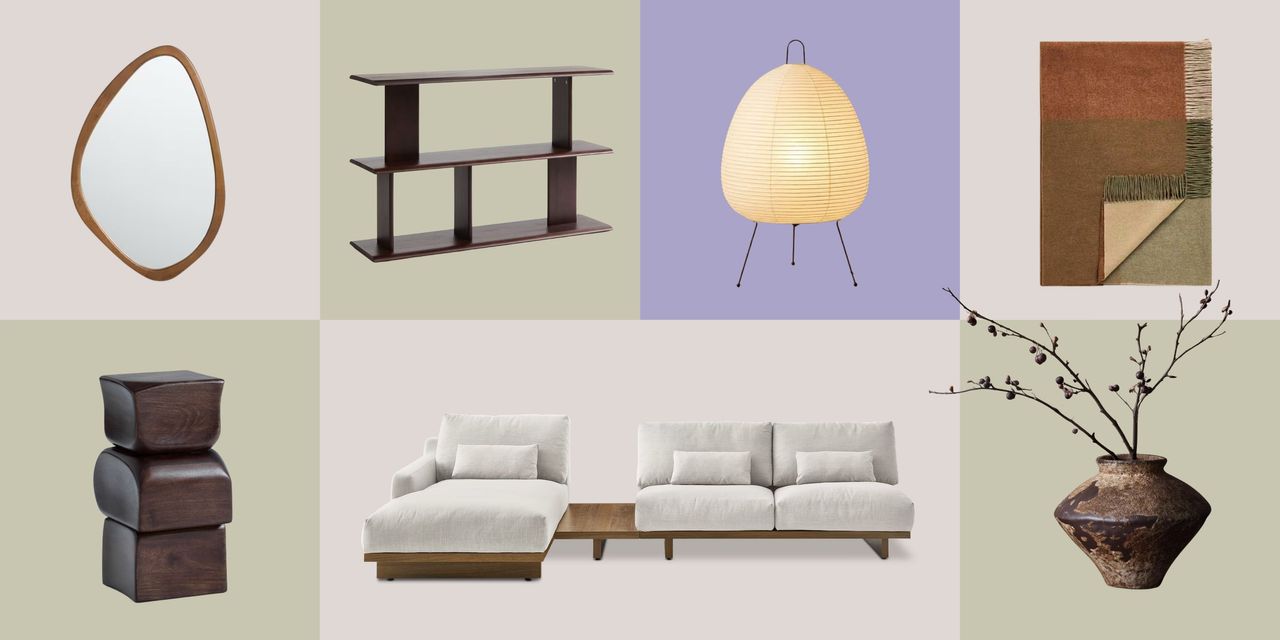
In my opinion, Wabi-Sabi is one of the richest philosophies we can embed into modern life. Rooted in Japanese culture, it honours imperfection, rawness, and the quiet beauty of things that age and evolve. There’s a freedom in it and an understanding that not everything needs to be polished or symmetrical to hold meaning.
I first really understood the depth of Wabi-Sabi when I was studying pottery. If you’re familiar with Shiro Tsujimura, the Japanese ceramic artist, you’ll know how he works within traditional methods — recreating unglazed wares, drawing from both Japanese and Korean traditions — yet reimagines them through new expressions. That balance of respect and reinvention stayed with me.

In interiors, this philosophy translates into tactile textures and deeply honest materials, curtains left unlined, handmade ceramics with uneven glazes, woods that proudly show their grain, and stone that carries weight. When you explore Wabi-Sabi interiors, you begin to see how the space is shaped by restraint — more intention, and an atmosphere that feels calm rather than overworked.

What I love most is how it softens minimalism. It clears visual noise without feeling stark. You can introduce greenery, branches in imperfect vases, patinated finishes, and sculptural forms that feel organic rather than decorative. Yes, it leans earthy — but today that doesn’t mean beige alone. Olive greens, deep burgundy, muted blues when layered gently, they add depth without disturbing the stillness.
If this way of living — slower and more intentional speaks to you but you’re unsure how to translate it into your own space, that’s exactly where I come in.
At Design Lab by Livingetc, we help you source pieces that carry that quiet depth. If you simply need help finding three to five grounding pieces, our Finds service is designed for that. Thoughtful, focused recommendations that help you build a home with presence — not perfection.