
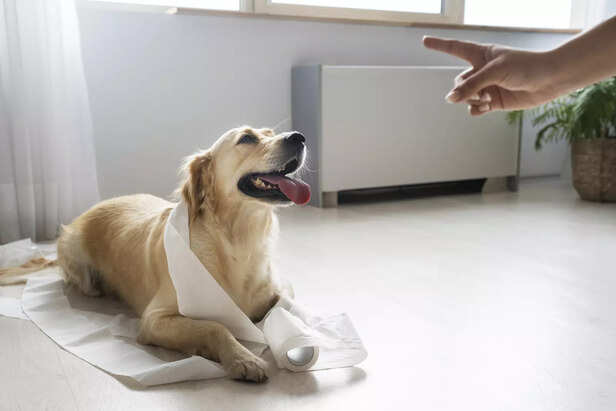
Every pet parent has faced that sudden moment of panic. You wake up to find vomit on the floor or your pet rushing outside repeatedly with loose motion. The first instinct is often to wait and watch. Maybe it is something they ate. Maybe it will pass. Sometimes it does. But sometimes, that delay becomes dangerous. Vomiting and diarrhea are not diseases. They are signals. Your pet’s body is trying to tell you that something is wrong inside. Knowing when these signs are harmless and when they are life-threatening can literally save your pet’s life.
Why Pets Vomit Or Get Loose Motion
Pets vomit or develop diarrhea for many reasons. Some are mild, and some are serious. Sudden food changes, overeating, eating garbage, stress, mild infections, or hairballs can cause temporary stomach upset. But vomiting and loose motion can also be signs of poisoning, viral infections, pancreatitis, kidney failure, intestinal blockage, parasites, heatstroke, or internal bleeding. Pets cannot explain what they feel. Their only way to communicate discomfort is through these physical symptoms. Ignoring them means ignoring a cry for help.
Normal Upset Vs Dangerous Symptoms
A single episode of vomiting or loose stool with normal behavior may not always be an emergency. If your pet eats grass and vomits once but remains active, alert, and eats normally later, it may not be serious. The danger begins when vomiting or diarrhea is repeated, severe, or accompanied by other changes. If your pet looks dull, refuses food, hides, whines, trembles, or shows signs of pain, the situation is no longer normal. Trust your instinct. You know when your pet is not okay.
When Vomiting Becomes An Emergency
Vomiting becomes an emergency when it happens repeatedly within a short span of time. More than two or three episodes in a few hours is a red flag. If your pet cannot even keep water down, dehydration sets in quickly. Puppies, kittens, senior pets, and small breeds are especially vulnerable. Vomiting with blood or coffee colored material is a medical emergency. It may indicate internal bleeding or severe stomach damage. Projectile vomiting, severe abdominal pain, or vomiting along with bloating can signal gastric torsion, a condition that can kill within hours.
When Loose Motion Becomes An Emergency
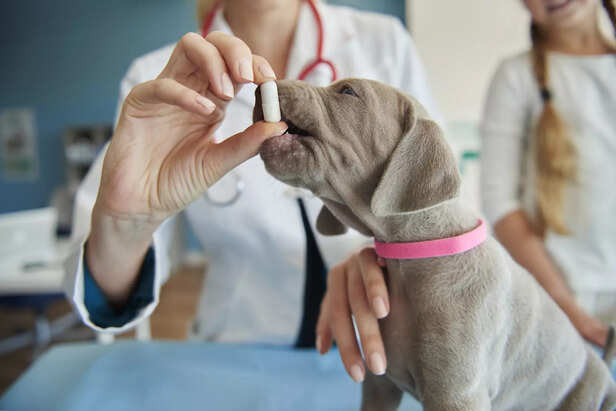
Loose motion becomes dangerous when it is frequent, watery, foul-smelling, or contains blood or mucus. Black, tar-like stool often indicates internal bleeding. If your pet strains continuously but passes little stool, there may be an intestinal blockage. Diarrhea lasting more than 24 hours in adults or more than 12 hours in young or senior pets requires veterinary attention. Rapid fluid loss through diarrhea can cause dehydration, electrolyte imbalance, and shock faster than most pet parents realize.
Signs of Dehydration You Must Watch For
Dehydration is one of the biggest dangers linked to vomiting and diarrhea. Dry gums, sunken eyes, lethargy, sticky saliva, and reduced urination are warning signs. A simple skin test can help. Gently pinch the skin at the back of your pet’s neck. If it does not snap back quickly, dehydration may already be present. Dehydration affects organ function and can quickly turn a manageable issue into a life-threatening crisis.
Vomiting or Pain
If vomiting or loose motion is accompanied by fever, visible pain, whining, hunched posture, or sensitivity when touched, do not wait. Fever often indicates infection or inflammation. Pain can suggest pancreatitis, obstruction, or internal injury. Pets hide pain instinctively. If they are showing it, the problem is usually serious. Delaying treatment can worsen damage to internal organs.
Puppies And Kittens Need Immediate Attention
Young pets have weaker immune systems and lower body reserves. What seems mild in an adult pet can be fatal in a puppy or kitten. Viral infections like parvovirus or panleukopenia often start with vomiting and diarrhea. These conditions progress rapidly and require immediate hospitalization. If a young pet vomits repeatedly, has loose motion, stops playing, or refuses food, it is an emergency regardless of how mild it appears.
Senior Pets Are At Higher Risk
Older pets often have underlying health conditions such as kidney disease, liver issues, diabetes, or heart problems. Vomiting or diarrhea in senior pets can worsen these conditions quickly. Even a short episode can push fragile organs into failure. Never assume age-related weakness is normal. Any sudden digestive issue in a senior pet deserves prompt veterinary evaluation.
Poisoning And Foreign Objects
Pets explore the world with their mouths. Household cleaners, rat poison, certain plants, chocolate, grapes, onions, medications, and plastic objects are common causes of emergency vomiting and diarrhea. If you suspect your pet has ingested something unusual, do not induce vomiting unless instructed by a veterinarian. Some substances cause more harm when vomited. Immediate professional help is critical in poisoning cases.
Heat And Seasonal Triggers
Hot weather can trigger vomiting and loose motion due to heat exhaustion or heatstroke. Pets cool themselves differently from humans and overheat easily. Diarrhea during extreme heat is often linked to dehydration and electrolyte imbalance. Monsoon season increases the risk of bacterial and parasitic infections through contaminated water. Seasonal patterns matter. Sudden digestive issues during weather changes should not be ignored.
Why Waiting Can Be Dangerous
Many pet parents wait because they fear overreacting. Unfortunately, time is not always your friend. Dehydration, toxin absorption, infection spread, and organ damage can worsen silently. What could have been treated with fluids and medication may turn into intensive care. Early treatment is not only safer but also less expensive and less traumatic for your pet.
What You Should Do Immediately
If your pet is vomiting or has loose motion, stop food temporarily unless advised otherwise by a veterinarian. Offer small amounts of water or oral rehydration solution if your pet can keep it down. Observe closely for frequency, color, blood, behavior changes, and energy levels. Never give human medications without veterinary guidance. Contact your veterinarian and describe symptoms clearly. If it is night or a holiday, emergency clinics exist for a reason.
What the Vet May Do
Veterinarians assess hydration, temperature, pain, and overall stability. Tests may include blood work, stool examination, imaging, or rapid infection tests. Treatment may involve fluids, anti-vomiting medication, antibiotics if required, pain management, and dietary support. Early intervention often leads to quicker recovery and fewer complications.
Emotional Impact On Pet Parents
Watching your pet suffer is emotionally exhausting. Guilt, fear, and confusion are common. Remember, this is not about being perfect. It is about being attentive and responsive. Acting quickly is an act of love, not panic. Your pet depends entirely on you to recognize danger.
Prevention Is Always Better

Maintain a consistent diet and introduce new foods gradually. Keep trash, toxic foods, chemicals, and small objects out of reach. Ensure clean drinking water at all times. Regular deworming and vaccinations reduce infection risks. During extreme weather, adjust routines to protect your pet’s health. Prevention cannot eliminate all risks, but it reduces emergencies significantly.
Trust Your Instinct
No article can replace your intuition. If something feels wrong, it probably is. Pets do not fake illness. Vomiting and loose motion are not just messes to clean. They are warning signs. Listening early can mean the difference between a quick recovery and a devastating outcome.
Your Pet Cannot Wait
Vomiting or loose motion becomes an emergency the moment your pet’s behavior changes, symptoms repeat, or your heart tells you something is off. Your pet cannot speak. You are their voice. Acting on time is not overreacting. It is responsible, compassionate pet parenting.
Celebrate the bond with your pets, explore Health & Nutrition, discover Breeds, master Training Tips, Behavior Decoder, and set out on exciting Travel Tails with Times Pets!
.png?w=600)