
Get all your news in one place.
100’s of premium titles.
One app.
Start reading
Windows Central
Windows Central
Technology
Sean Endicott

VLC gets native support for Snapdragon-powered PCs — but its devs haven't forgotten your ancient Windows XP rig

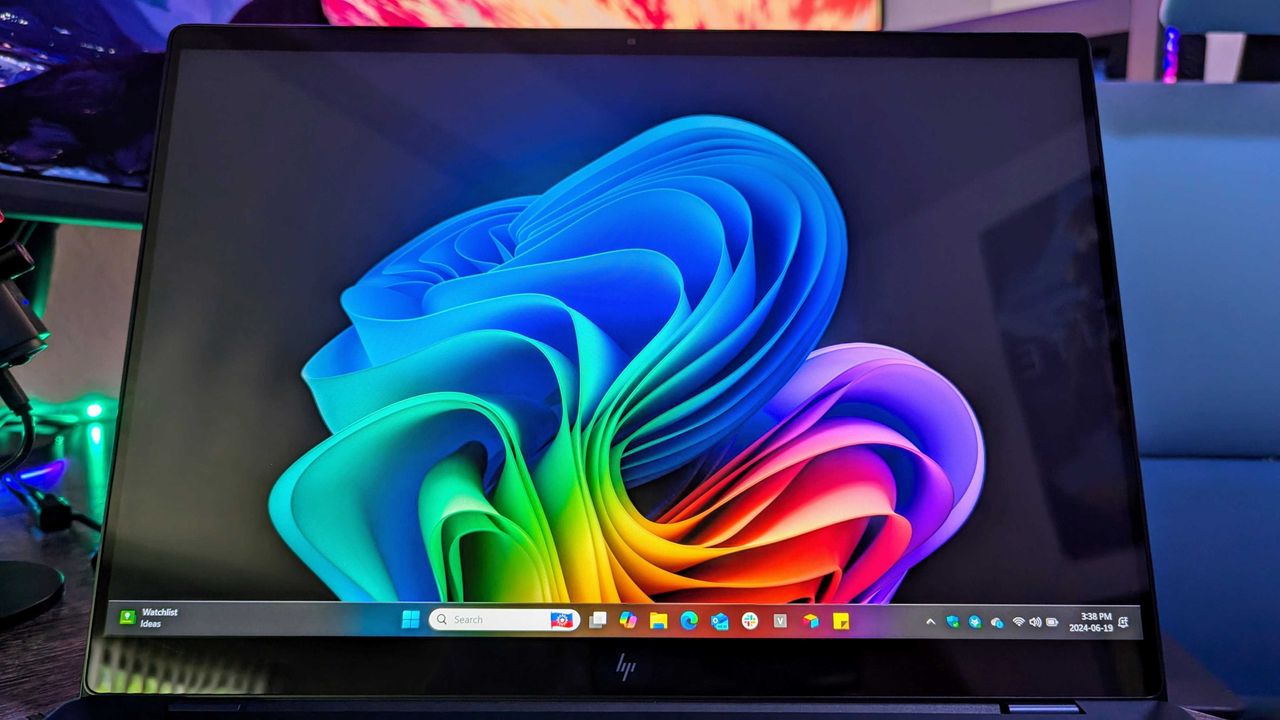
Image of the HP EliteBook Ultra G1q Windows laptop.

Whether you're waiting for a new PC powered by the Snapdragon X2 Plus, Snapdragon X2 Elite, or X2 Elite Extreme or if you already have one of the best Windows on Arm laptops, there's good news. The popular media player VLC now natively supports Arm-based processors.

A recent update brings VLC to version 3.0.22/3.0.23. In addition to adding Arm-based support, that update adds a Dark Mode for Windows and Linux users. It also has a number of fixes.

I love covering apps like VLC. The same update that adds native support for Arm-based processors also fixes support for Windows XP Service Pack 3 — got to love legacy software.

If those changes sound familiar, that means you're a true app aficionado. VideoLAN added dark mode and native Windows on ARM support to VLC last September, but that update was only in the Release Candidate phrase.

The update has since made its way to general release and is available to download through VideoLANS's website.

VLC version 3.0.22/3.0.23: Fixes and Highlights

  • VLC 3.0.23 is the twenty-fourth update of "Vetinari":
  • Improves playback of numerous formats including rendering of certain subtitles
  • Codec updates, notably dav1d, ffmpeg, libvpx
  • Add support for Windows ARM64 (minimum Windows 10 RS5 17763 / 1809)
  • Add Dark Mode user interface option on Windows and Linux
  • Updates of most third party libraries
  • A large number of stability improvements to the demuxers thanks to reports from rub.de and oss-fuzz
  • Allow renaming/moving/deleting of playing file on Windows
  • Fixed multiple security issues, which are detailed here
  • Maintenance supported by a generous sponsorship of Sovereign Tech Fund

The full change log is also available from VideoLAN in glorious Plain Text formatting.

Since the launch of Copilot+ PCs was essentially a reboot of Windows on Arm, it's easy to assume PCs powered by Snapdragon mainly focus on AI. But it seems consumers are either confused by the concept of an AI PC or simply not interested, at least according to Dell.

But Snapdragon-powered PCs promise more than AI features. The Snapdragon X2 Plus outperformed the Intel Core Ultra 7 265U and 256V processors at the same power draw in benchmarks shared by Qualcomm. That chip delivers up to 3.5× the CPU performance of the Intel Core Ultra 7 265U and up to 52% faster multi-core performance than the Intel Core Ultra 7 256V.

Yes, those benchmarks were shared by Qualcomm, but the company has a track record of being transparent with benchmarks.

The first generation of Snapdragon X chips competed well against AMD and Intel rivals as well, though I think the Snapdragon X2 lineup will be the real turning point for Arm-based Windows computing.

Our Editor-in-Chief Daniel Rubino, who went to a press preview in New York City to see the new Qualcomm chips, said the Snapdragon "X2 Plus could redefine Windows laptops in 2026."

While Microsoft's Prism emulation has improved greatly, running an app that runs natively on Arm-based chips is preferred. As of last September, Microsoft claimed 90% of time on Arm-based PCs is spent on natively compiled apps. Now, time used to watch movies and other media through VLC will count toward that figure as well.

How much of a difference does native support for certain makes for Arm-based PCs? Let us know in the comments!

Follow Windows Central on Google News to keep our latest news, insights, and features at the top of your feeds!

Sign up to read this article
Read news from 100’s of titles, curated specifically for you.
Already a member? Sign in here
Related Stories
Top stories on inkl right now
Our Picks
Fourteen days free
Download the app
One app. One membership.
100+ trusted global sources.