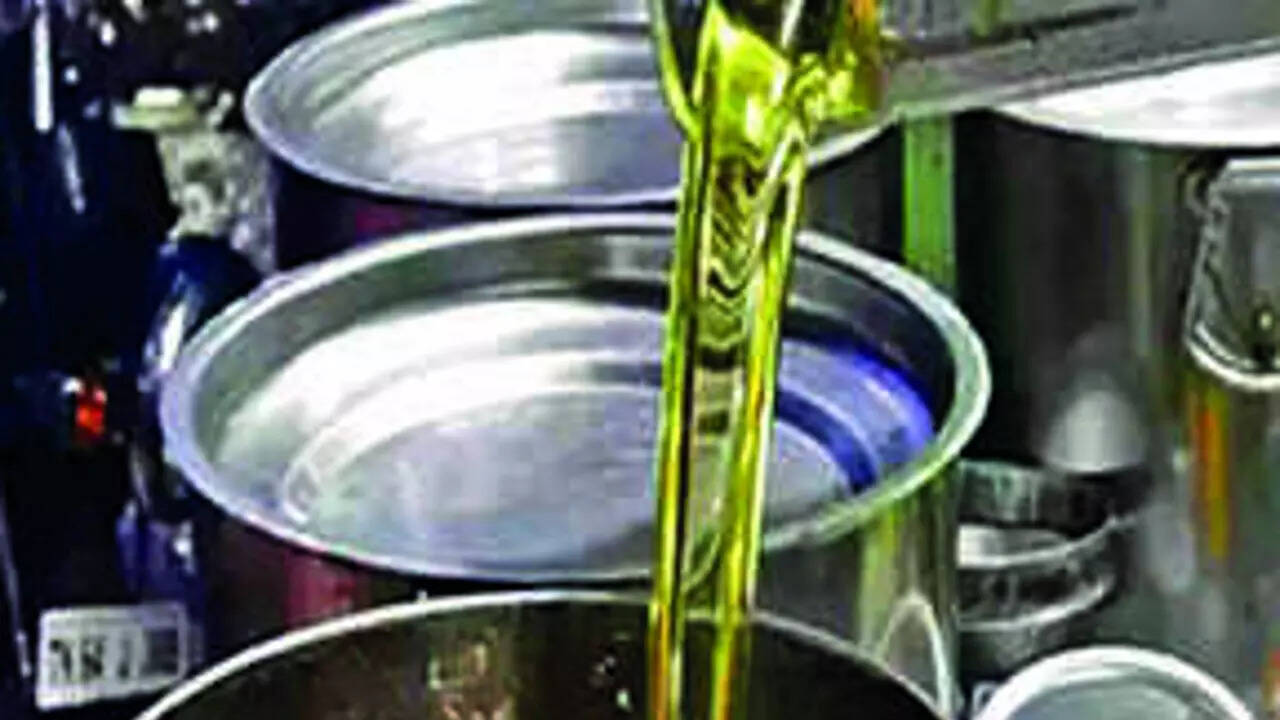
NEW DELHI: Amid concerns of a short supply of sunflower oil from Ukraine and bureaucratic process in Indonesia delaying the export of palm oil, the prices of major edible oils have gone up since Russia invaded its neighbour.
In Chennai, the prices of sunflower and palm oil have increased by Rs 32 and Rs 22 per litre respectively between February 24 and March 5. Similarly, prices of soyabean oil in Kolkata and Delhi have gone up by Rs 14 and Rs 12 per litre respectively during these 10 days, according to the price monitoring cell of the consumer affairs ministry.
However, the prices of mustard oil have either moderated or remained unchanged across the major cities.
Industry sources said while the war sentiment has pushed the prices up, there will be no shortage in supply of edible oils to meet the demand. They said the mustard crop production is pegged at 110 lakh tonnes and around 70-80 lakh tonnes of uncrushed soyabean is available in India.
"We have committed to the government that we will ensure no problem in the supply chain. The share of sunflower oil in our domestic consumption is barely 10%. But prices of edible oils are not under our control as we are largely import dependent and the international prices decide the prices here," said B V Mehta, executive director of Solvent Extractors Association of India.
Sources said what has impacted the edible oil prices in the Indian market more than the war in Ukraine is the new condition imposed by the Indonesian government. It’s now mandatory for exporters of palm oil to sell at least 20% of their planned exports in the domestic market. "Because of this process of export has been delayed and increase in palm oil prices have a huge spillover impact across all edible oils," said an industry source.
On an average India’s monthly import of sunflower is around 1.5-2 lakh tonnes and it’s usually less during November-April period. By March end nearly 1.5 lakh tonnes would land in India.