
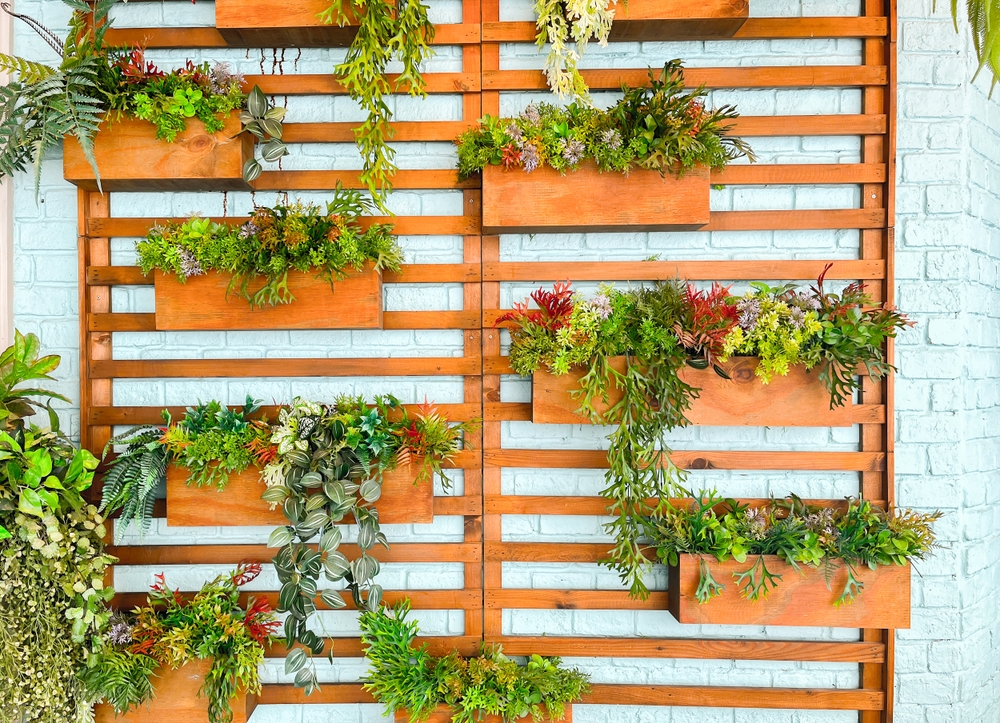
A tiny patch of space can outproduce a traditional garden bed when strategy takes the lead. Vertical gardening flips the entire concept of growing food on its side—literally—and turns walls, fences, and narrow corners into high-yield food factories. Instead of spreading plants out, this method stacks them upward, squeezing every ounce of productivity from even the tightest footprint. A setup smaller than a coffee table can pump out herbs, greens, and even fruiting crops if it uses the right system and a bit of intention.
That idea feels almost rebellious in a world that assumes more land equals more food. Vertical gardening challenges that assumption and wins, especially in apartments, patios, and compact yards. Smart growers treat space like real estate, and every vertical inch counts as valuable property. When plants grow up instead of out, airflow improves, sunlight reaches more leaves, and harvesting becomes easier than crouching over soil.
Grow Up, Not Out: The Magic Behind Vertical Gardening
Vertical gardening works because it rethinks how plants occupy space and interact with light. Instead of competing for horizontal territory, plants stretch upward, where sunlight often hits more consistently throughout the day. That change reduces overcrowding and helps prevent common issues like fungal diseases that thrive in damp, cramped conditions. Gardeners who embrace vertical systems often notice cleaner leaves, healthier growth, and faster harvest cycles. The vertical structure also makes watering and maintenance more controlled, since everything stays within reach rather than scattered across a wide bed.
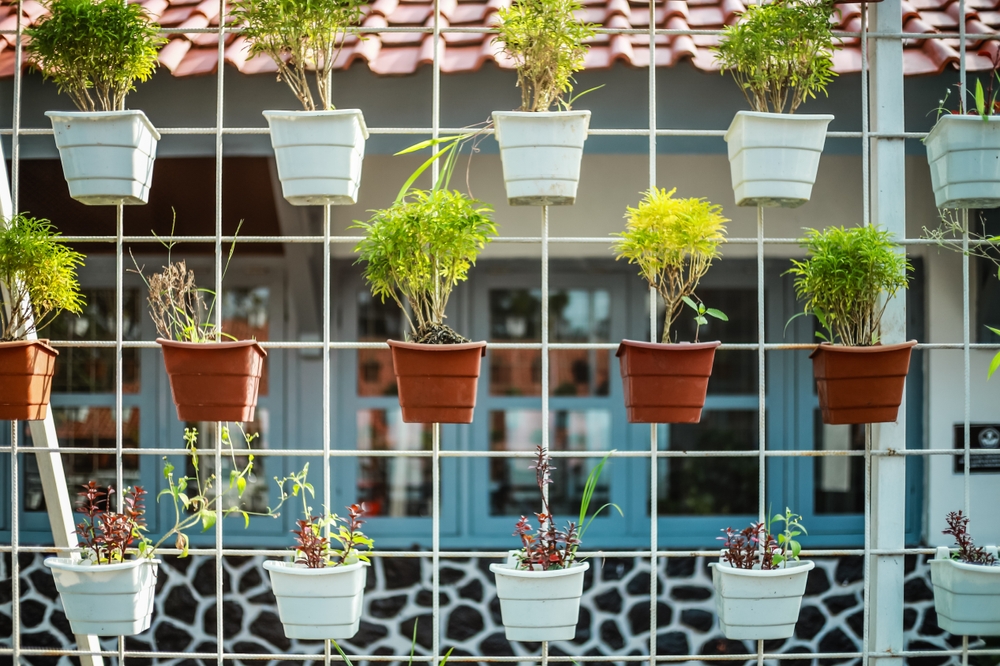
Different systems unlock different advantages, and each one suits a specific type of grower. Wall planters, stackable pots, trellises, and hanging towers all create vertical layers where plants thrive. A trellis supports climbing crops like beans and cucumbers, while a vertical tower can hold dozens of leafy greens in pockets along its surface. Even a simple ladder shelf lined with pots can transform a dull corner into a productive mini farm. These setups do not require massive investment, but they reward creativity and consistency with impressive yields.
Light plays a starring role in this method, and placement matters more than ever. A vertical garden positioned near a sunny wall or balcony railing captures far more energy than a flat garden tucked into partial shade. South-facing walls in particular offer a strong advantage in many regions, allowing plants to soak up hours of direct sunlight. When sunlight falls short, growers can supplement with LED grow lights, especially for indoor setups. That flexibility allows vertical gardens to thrive both outside and inside, turning unused walls into vibrant growing zones.
Small Space, Big Harvest: Choosing the Right Crops
Not every plant thrives in a vertical setup, so crop selection makes or breaks the experience. Leafy greens dominate the vertical gardening world because they grow quickly, tolerate tight spacing, and deliver repeat harvests. Lettuce, spinach, kale, and arugula adapt beautifully to stacked systems, often producing fresh leaves within weeks. Herbs like basil, parsley, cilantro, and mint also shine in vertical gardens, offering intense flavor without demanding much room. These plants stay relatively compact and reward frequent harvesting, which keeps them producing even more.
Climbing crops bring a different kind of excitement to vertical gardening because they use height as an advantage. Pole beans, peas, cucumbers, and even small varieties of squash happily climb trellises or netting, turning vertical space into a living wall of food. Cherry tomatoes and compact pepper varieties also perform well when supported properly, especially in sunny conditions. These plants create a layered effect, where lower levels hold greens and upper levels produce fruit, maximizing every inch of available space.
Root vegetables require a bit more thought, but they still fit into the vertical equation with the right containers. Radishes, baby carrots, and small beets can grow in deeper pockets or stacked planters that provide enough soil depth. Growers who want variety often mix these with leafy crops, creating a diverse and visually appealing setup. The key lies in matching plant needs with container size and spacing, ensuring each crop receives enough room to develop fully. That balance turns a tiny vertical garden into a surprisingly abundant food source.
Build It Smart: Simple Setups That Actually Work
A vertical garden does not need fancy equipment to succeed, but it does need smart design. Stability comes first, since stacked or hanging systems must handle the weight of soil, water, and mature plants. A sturdy frame, wall mount, or freestanding rack prevents tipping and keeps everything secure. Materials like wood, metal, or durable plastic all work well, as long as they resist moisture and wear. Recycled items such as pallets or old shelving units can also transform into effective vertical gardens with a bit of creativity.
Drainage plays a huge role in keeping plants healthy, especially in stacked systems. Water should flow evenly through each level without pooling at the bottom, which can lead to root rot. Many vertical planters include built-in drainage holes, but DIY setups need careful planning to avoid soggy soil. Adding a tray or catch system underneath helps manage excess water and keeps the surrounding area clean. Consistent watering remains crucial, since smaller containers dry out faster than traditional garden beds.
Soil quality and nutrients determine how productive a vertical garden becomes over time. A lightweight, well-draining potting mix works best, often combined with compost or organic fertilizer to support steady growth. Plants in confined spaces rely heavily on those nutrients, so regular feeding keeps them vigorous and productive. Liquid fertilizers or slow-release pellets both work well, depending on the gardener’s routine. Paying attention to soil health ensures that even a tiny garden delivers a steady stream of fresh produce.
Keep It Thriving: Maintenance Tips That Make a Difference
Vertical gardens reward attention to detail, and consistent care keeps them thriving. Watering schedules often require adjustment, since vertical setups expose more surface area to air and sun. Checking soil moisture regularly prevents both overwatering and drought stress, which can quickly affect small containers. Many gardeners prefer drip irrigation systems or self-watering planters to maintain steady moisture levels. These tools reduce guesswork and help plants stay consistently hydrated.
Pruning and harvesting play a bigger role in vertical gardening than many expect. Regular trimming encourages bushier growth in herbs and greens, while removing spent leaves keeps plants healthy and productive. Climbing crops benefit from guided training, where vines attach to supports and grow in an organized pattern. This approach prevents tangling and ensures that light reaches every part of the plant. A well-maintained vertical garden looks tidy, but more importantly, it produces more food over time.
Pest management also becomes easier in a vertical setup, since plants stay more visible and accessible. Early detection allows for quick action, whether that involves removing pests by hand or using natural treatments like neem oil. Good airflow reduces the risk of fungal issues, especially when plants receive enough spacing. Clean containers and fresh soil each season help prevent lingering problems. With consistent care, a vertical garden stays productive and resilient throughout the growing cycle.
The Tiny Garden That Changes Everything
A vertical garden proves that space never limits ambition when creativity takes charge. A setup smaller than two square feet can deliver fresh herbs, crisp greens, and even juicy vegetables with the right combination of structure, light, and care. This approach transforms overlooked corners into vibrant, productive ecosystems that feel both practical and inspiring. It offers a way to grow food almost anywhere, whether on a balcony, patio, or inside a bright room. The result feels less like a compromise and more like a clever upgrade to traditional gardening.
What kind of vertical setup feels most exciting to try, and what would grow first in that compact garden? Give us your ideas, plans, or even past successes in the comments and keep the inspiration flowing.
You May Also Like…
Turning Pallets into Gold: How to Build a Vertical Garden for $0
Vertical Gardeners Warned: These Popular Plants Are Failing in Winter Conditions
The Calorie King: Why Potatoes are the Highest ROI Crop for Budget Growers
7 Cheap Garden Fence Alternatives That Actually Work
Affordable Garden Seating Ideas Using Recycled Materials
The post Vertical Veggies: Growing a Massive Harvest in Less Than 2 Square Feet appeared first on Frugal Gardening.