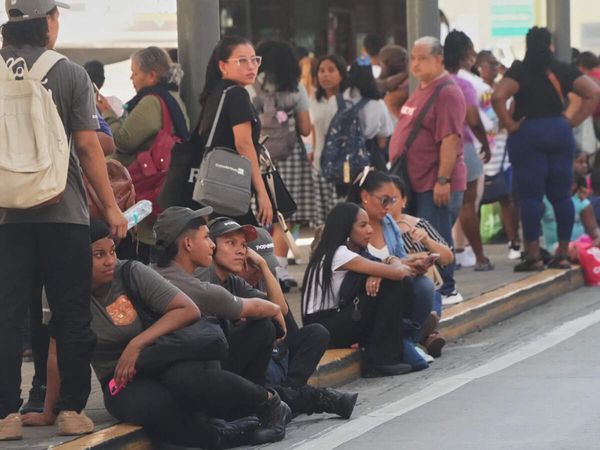
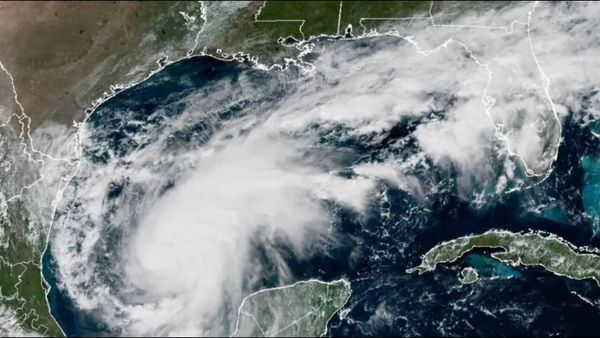
Venezuela's confirmed earthquake death toll rose to 2,954 as of Saturday, National Assembly President Jorge Rodríguez announced, an increase of roughly 300 in a single day and up sharply from the 2,595 figure reported earlier in the week. Injuries stood at about 12,700, though one government-linked count put the number as high as 16,592 — a gap authorities haven't explained. Officials say 6,462 people have now been pulled out alive since the June 24 quakes struck, while more than 15,000 remain without permanent housing.
The tolls are expected to keep climbing even as the mission itself changes character. Nearly two weeks after the twin 7.2 and 7.5 magnitude quakes hit, rescue crews are increasingly recovering bodies rather than survivors, and heavy machinery has started replacing the hand-digging that defined the disaster's first week. Thursday brought a rare exception: rescuers freed 43-year-old security guard Hernán Alberto Gil Flores from a collapsed shopping-center basement in Catia La Mar after he survived nearly eight days trapped in the rubble.
How many are still missing is anyone's guess
The scale of the missing remains the disaster's most contested number. A civilian-run tracking database lists more than 38,000 people as unaccounted for, while the United Nations has separately floated an estimate of up to 50,000. Officials caution the true figure is likely inflated by displacement and communication breakdowns rather than bodies still buried — but they've offered no updated count of their own in days.
Damage estimates have shifted just as dramatically. An early U.N. Development Program assessment put physical losses at $6.7 billion, or roughly 6% of GDP; a newer U.N.-backed analysis released this week raised that estimate more than fivefold, to $37 billion, reflecting a fuller accounting of destroyed housing and infrastructure.
Rodríguez's legal mandate quietly expires
The disaster has now collided with a constitutional deadline. Under Venezuelan law, Rodríguez's authority as acting president — filling in for the vice presidency after Maduro's January capture — was capped at 180 days, a period that lapsed this past Friday with no public response from the government. The National Assembly, controlled by her own party, has the power to declare the post permanently vacant and trigger a snap election, but as of this week had taken no such step. The Trump administration has continued to say elections will come only once the country is "stabilized," without offering a date.
A day before the deadline hit, Rodríguez held her first news conference on the response — eight days after the quakes — and pushed back hard on criticism, dismissing complaints as narratives "manufactured in propaganda laboratories," according to NBC News. She insisted the state had mobilized fully within a day of the disaster, even as she separately acknowledged that at collapse sites, survivors themselves were often the first ones digging.
Machado renews her case for coming home
Exiled opposition leader María Corina Machado used the same moment to press her own argument, arguing the government's stumbles prove the country needs her back, saying "my presence stabilizes the situation" at a time when the state's absence has become undeniable. She has accused Rodríguez of shutting down commercial air traffic specifically to block her return flight — a move that, according to a U.S. official cited by the Associated Press, also grounded charter flights carrying hundreds of relief workers. Washington has said it won't help facilitate Machado's return but also won't block it outright.
Meanwhile, aid continues arriving from abroad: Uruguay dispatched the first of what officials say will total more than 60 tons of humanitarian supplies, joining earlier shipments from Ecuador and privately raised funds exceeding $11 million from Spain.