
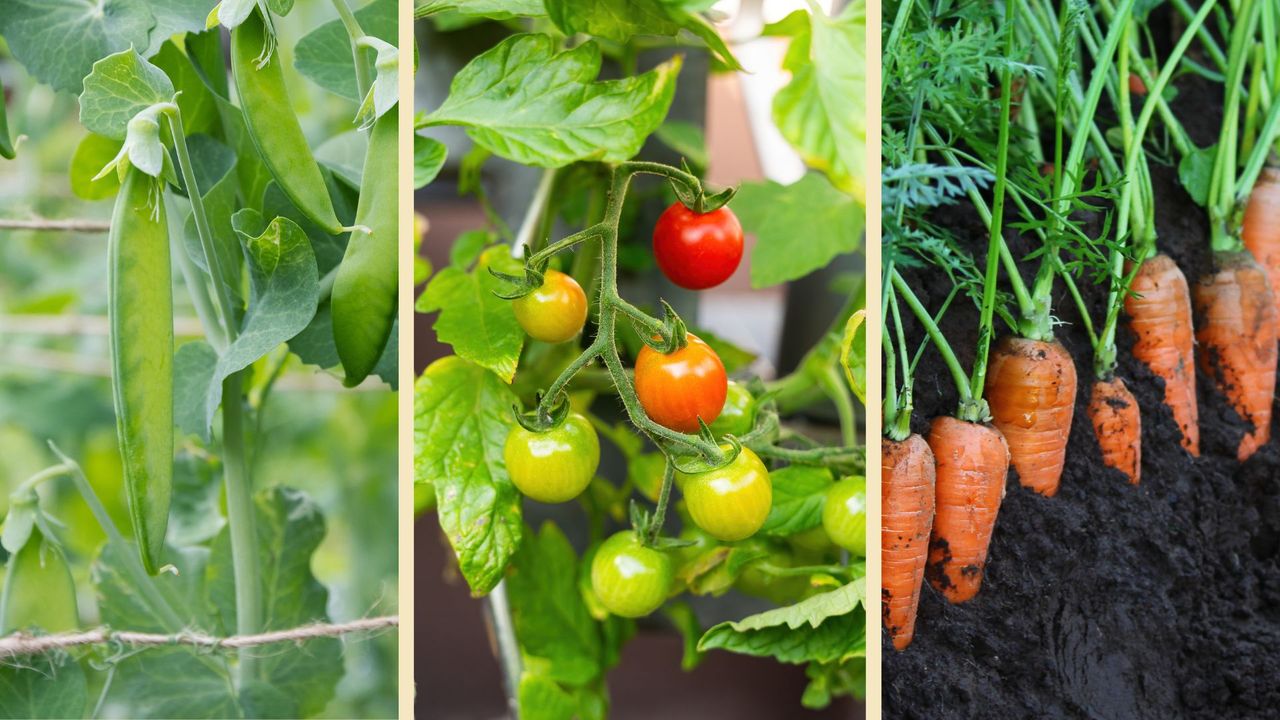
Warmer weather means there are lots of vegetables to plant in April – and many can be sown directly outdoors, reducing time and effort. So, if you love the idea of growing your own delicious harvests this year, now's the time to dust off your trowel.
Growing fresh produce from seed (or from seed potatoes, if you're growing spuds) is super budget-friendly and, with a few tips and tricks, is well-suited to vegetable gardening for beginners. It also opens up a huge range of varieties to choose from, many of which can be tricky to find in the supermarket – think purple beans, blue-grey pumpkins, or golden beetroot.

In this guide, we've rounded up nine brilliant veggies to get going now, whether that's in pots indoors or planted straight into your raised beds. There is also lots of practical advice from horticultural experts to help you grow with confidence.
What vegetables to plant in April, indoors and out
You don't need a huge amount of kit to jump on board the ever-popular garden trend of growing your own veg. You need a good pair of gardening gloves, a trowel for digging, and a watering can. You may need some bamboo poles or other types of supports for climbing varieties, too.
If you're starting seeds indoors, you'll also need a few pots or trays filled with suitable soil and a frost-free sunny windowsill.

Sarah Raven personally recommends this pair, saying: "There are two stand-out brilliant things about these gloves. They are breathable, so your hands don't sweat, and they're machine washable. I throw mine into the machine time and time again, and they come out like new."

This stainless steel and ash wood tool from Kent & Stowe at Amazon is well-rated by customers to fulfil their gardening needs. The compact and multi-functional garden trowel with a serrated edge and hammer.

This 6L plastic dark green watering can is a lightweight watering solution to tackle all your planting needs. The product comes with a rose included to ensure seedlings aren't saturated.
1. Tomatoes

Natasha Lane, head of seed at Unwins, says April is the last chance to sow tomato seeds to make sure you get a good crop this year. Although technically a fruit, they are a brilliant addition to a veg patch.
To start them off, all you’ll need is to fill seed trays with specially developed seed sowing compost, Natasha says, recommending Westland John Innes Seed Sowing Compost (available from Amazon), which is enriched with vermiculite to retain moisture. "Plant your seeds in the trays and keep them indoors until all risk of frost has passed, then they can gradually be accustomed to the outdoors.
"For compact spaces, bush tomatoes are perfect," she continues. "These varieties don’t need support and thrive in containers." Pruning these tomato plants is also straightforward – just remove any lower leaves. Examples include the reliable "Red Alert" cherry tomatoes, from Crocus. Cordon tomatoes, on the other hand, will need supports and regular pruning as they grow, but their fruit tends to be larger. If you have the space, try "Burlesque", from Suttons – they can provide you with beefsteak tomatoes weighing up to 400g.
"Tomato plants will benefit from some companion plants to help keep pests at bay," Natasha continues. She suggests nasturtiums and marigolds, as well as basil, chives, or parsley.
2. Parsnips

What's a cosy Sunday lunch without a roasted parsnip or two? While you probably don't want to think about colder days just yet (it's only just starting to warm up, after all), if you fancy cooking your own parsnip harvest later in the year, now's the time to sow.
"Parsnips are perfect for planting directly into the ground this month, and means you’ll be getting ahead of giving yourself an abundance of delicious parsnips to eat come winter," says Natasha.
"The soil where you’re sowing your parsnips will need to be well-dug and free of any stones," she continues. "Sow the seeds thickly, and then thin out gradually as the seedlings grow. Parsnips can take up to three weeks to germinate, so make sure to keep the soil moist and have patience."
Try "Albion" from Thompson & Morgan, an award-winning variety that stores well. Remember to get rid of any weeds that pop up around them as they grow.
3. Carrots

Another hardy root veg, you can sow your favourite varieties of carrots now, whether classic orange ("Bangor" available from Thompson & Morgan, is award-winning); miniature (try "Chantenay Royal" from Crocus); or purple (such as "Purple Sun", also from Thompson & Morgan).
"Carrots can be sown outside between April and July in a light, well-draining soil," says Chris Bonnett, the founder of GardeningExpress. Like when growing parsnips, remember to remove any stones first – otherwise your carrots might fork. Make sure the growing site gets plenty of sun, and cover your crop with insect-proof mesh or horticultural fleece to deter pesky carrot flies.
4. Pumpkins

"Start your pumpkin seeds this month indoors in seed trays – they’ll need a minimum temperature of at least 15°C," says Natasha. "Next month, they can be planted out, but remember, pumpkins will need plenty of space to grow to maturity, so leave at least 90cm between plants." They also love sunshine, she adds, "so pick a warm, sunny spot that’s protected from cold winds".
She also highlights how they are hungry and thirsty plants – "so make sure to keep them well watered." Once the pumpkins start to swell, you can feed plants regularly with a liquid fertiliser, Natasha adds. She recommends using Westland's organic vegetable feed (available from Amazon).
For pumpkins with blueish skin and orange flesh, try "Grey Ghost" from Suttons. Or, if you fancy growing miniature pumpkins (ideal for Halloween decorations), try "Jack Be Little", also from Suttons.
Top tip: Once you've grown your harvest, any leftover pumpkin can be used to enrich your soil.
5. French beans

"If you’ve got a bit of indoor space or a greenhouse, now’s also the time to get French beans, like 'Hunter’, started in pots," says Nelly Hall from Alitex, adding that they give excellent yields through the season. Another good choice is "Monte Gusto", from Sarah Raven, which grows a bright yellow crop.
Many types of French beans are climbing, so they need tying in to sturdy supports, but you can also get bush varieties, which are suitable plants for pots. For the latter, consider "Purple Teepee", also from Sarah Raven, a compact type with purple pods.
When it's time to move them outdoors (once the frost has passed), be sure to choose a warm spot and water the plants regularly.
6. Beetroot

Natasha says beetroot can be directly sown this month and is super easy to grow. "Beetroot plants prefer full sun, so before sowing your seeds, pick a sunny spot in your garden, then simply sow the seeds 2.5cm into compost and keep them well watered," she says.
Nelly particularly recommends the "Detroit Dark Red" variety – "it’s robust, produces deep crimson roots with a lovely sweet flavour, and the young leaves are great in salads, too." For golden roots instead, try sowing "Boldor" beetroot seed from Thompson & Morgan.
It's a good idea to get rid of slugs if you spot them, especially when seedlings are young. Another gardening tip is not to wait too long to harvest beetroot, otherwise they will become woody.
7. Courgettes

According to Chris, courgettes won’t do well in cold temperatures, so starting them inside this month is best. "Cover the planted seeds to germinate and ensure they have enough moisture to start growing," he says.
"Germination can take around two weeks; they can then be relocated into larger pots and moved outside once the risk of frost has passed," he continues. As with any crops started indoors, remember to harden them off before putting them in their final position, to help them acclimatise to outdoor conditions.
When transplanting courgettes into their final position, proper spacing is key, as just one seed can produce a huge plant and a prolific harvest. However, some compact varieties are suitable for pots: try "All Green Bush" from Sarah Raven, for instance. Plenty of sunshine and watering the plants properly will help courgettes thrive.
8. Potatoes

While the first early potatoes can be planted in March, April is the time to get your second earlies in, such as "Charlotte", from Sarah Raven. Towards the end of the month, you can plant maincrop varieties, too, like "Maris Piper", which will be ready around the end of summer.
You'll need to plant seed potatoes for this crop rather than seeds – check the correct spacing for your chosen variety. According to Chris, potatoes need rich, well-draining soil to thrive. "Make sure the sprouts are facing upwards; these may look like white bumps or sprouting roots."
Protect the young plants from frost if a cold snap rolls in. "Earthing up" potatoes periodically as they grow, which means pulling the soil up around the stems, will help with this, and will also prevent green potatoes.
Top tip: You can "chit" your potatoes before planting, to give them a head start. To do so, pop them into boxes in a bright, frost-free place for a month or so before planting, where they will sprout.
9. Peas

Sweet peas aren't the only type of pea plant you should be planting in April; this month is also the best time to add some delicious peas to your garden, too.
"When sowing peas directly outdoors, the soil temperatures need to be approx. 10 degrees Celsius, which makes April the best month to start, without having to preheat the soil using a cloche or garden fleece," begins Lucie Bradley, gardening expert at Easy Garden Irrigation.
"Although the average germination rate for peas is 80%, you can improve these odds by soaking the peas overnight in a cup of lukewarm water before sowing. A 12-hour soaking helps to soften the seed coating, allowing the peas to absorb the water and start to swell," she adds.
If you're having problems with slugs in your garden, you'll want to take some precautions to protect your pea plants.
"To deter soft-bodied slugs and snails, try creating a ‘prickly’ barrier using eggshells, pine needles, thorny cuttings, sand or gravel. Whilst sprinkling some chilli powder or cayenne pepper over the seeds and the soil around newly emerging seedlings won’t hurt mice, but the smell should deter them from grazing on your young seedlings," explains Lucie.
You can pick up some disease-resistant pea seeds from Suttons for £2.99.
FAQs
Is it better to sow vegetable seeds indoors or outdoors this month?
This really depends on how hardy they are and the temperature in your region. Tender plants, such as tomatoes and courgettes, can be started indoors in pots or trays to get ahead, then planted out when all risks of frost have passed. Hardy veggies, however, can be sown directly outdoors – in fact, many will benefit from not being transplanted.

Can you plant fruit plants this month?
As well as vegetables to plant in April, don't forget to add some fruit to your grow-your-own patch. You can plant fruit trees, fruit bushes, and also strawberry plants now.
What is the best vegetable to plant in April?
Just as some flower seeds are best to sow in April, there is one particular vegetable that does well when planted this month.
"By mid April, soil temperatures should be around 10 degrees Celsius, which makes it the ideal time to sow Swiss Chard and get high germination rates of up to 90%," says Lucie.
"I’d always recommend checking the soil temperature for a few days before sowing as you really need an average of 10 degrees Celcius, otherwise wait a little longer or increase the temperature by covering the soil with garden fleece or a cloche," she continues.
When it comes to harvesting, Lucie recommends taking the leaves in the morning as they will be full of moisture and have the best taste.
This list of vegetables to plant in April is a great starting point for your outdoor space. But, of course, gardens aren't just for growing edible crops – flowers are a must for extra colour and beauty, and many are excellent plants for pollinators, too. Our guide on flowers to sow in April has plenty to pick from.