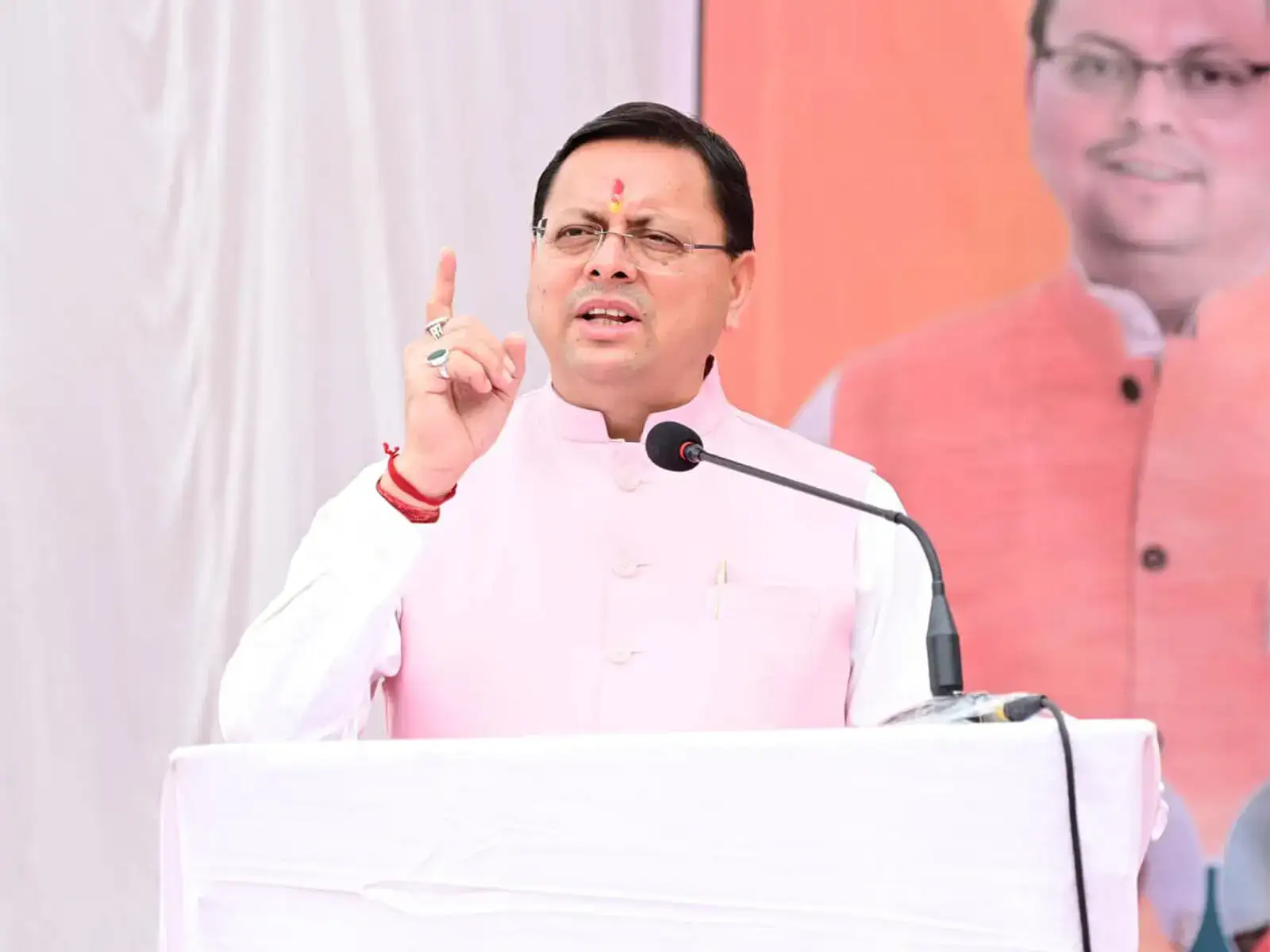
Dehradun: Uttarakhand Chief Minister Pushkar Singh Dhami on Wednesday announced that the Uttarakhand Minority Education Act has come into effect, paving the way for the repeal of the Madrasa Education Board Act and the Rules for Recognition of Non-Government Arabic-Persian Madrasas, according to the Chief Minister's Office.
The Chief Minister said that, under the guidance of Prime Minister Narendra Modi, the state government is committed to establishing an education system that is modern, transparent, high-quality, accountable, and rooted in the values of nation-building.
He added that the new framework will ensure a uniform and transparent recognition system for all minority educational institutions.
Also read: After ‘white collar’ terror bust, Kashmir begins profiling mosques and madrassas
CM Dhami further said that the government's vision is clear: to empower every child in the state with modern education, science, technology, skills, and Indian values, enabling them to play a meaningful role in building a Viksit Uttarakhand and a Viksit Bharat. He said the government will continue to work steadily towards achieving this goal.
Earlier on Monday, Chief Minister Dhami inaugurated and laid the foundation stones for 17 development projects worth a total of Rs 123.79 crore during a grand event in Champawat. Of these, eight completed projects worth Rs 27.79 crore were inaugurated, while foundation stones were laid for nine new projects valued at Rs 96 crore.
On the occasion, the Chief Minister inaugurated the Jim Corbett Trail, developed at a cost of Rs 3.49 crore.
The project includes various construction and renovation works at multiple locations across the district associated with Jim Corbett. He also participated in the groundbreaking ceremony for the City Centre being developed at the Champawat Bus Station Roadways area.
During the programme, the Chief Minister interacted with priests from various temples, personnel of paramilitary forces, youth, public representatives, members of trade associations, dhaba owners, Swachhagrahis, teachers, entrepreneurs, women from self-help groups, taxi union members, bank employees, Bar Association members, intellectuals, media persons, and several other sections of society.