Get all your news in one place.
100's of premium titles.
One app.
Start reading

USPS warning raises stakes for mail-order prescriptions, higher postage prices

The U.S. Postal Service is staring down a cash crunch within a year — just as its biggest customer, Amazon, prepares to sharply scale back deliveries.

Why it matters: Even as major retailers build their own logistics networks, millions of Americans — especially in rural areas — still rely on USPS for essentials like prescription medications and last-mile delivery.

Driving the news: Postmaster General David Steiner warned lawmakers this week that USPS could run out of cash in less than 12 months without congressional action.

  • "The mail will stop" if the agency can't meet its obligations, he said.
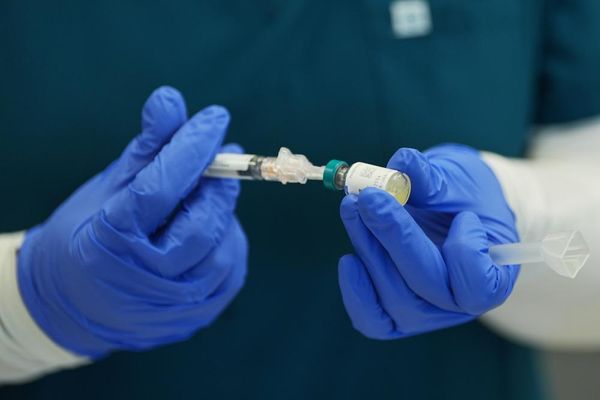
  • That includes critical deliveries like "prescription drug packages."

At the same time, Amazon plans to cut the volume it sends through USPS by as much as two-thirds by September.

  • Amazon said Wednesday that USPS "abruptly walked away at the eleventh hour" after more than a year of negotiations, derailing a potential long-term deal.

State of play: The financial warning from USPS is colliding with a growing fight over how the government-run, self-funded postal service should fix its finances.

  • USPS is pushing to raise stamp prices to as high as 90-95 cents — up from 78 cents today
  • Lawmakers say tradeoffs are inevitable, including potential service cuts or higher prices.

What they're saying: A coalition of mailers, led by Keep US Posted, argues USPS is "raising prices while reducing service" and penalizing its core mail business — warning the current strategy could push the agency toward a taxpayer bailout.

  • Government watchdogs warn there are "no easy solutions," and that USPS likely can't fix its finances without congressional action.

Between the lines: The Postal Service's financial crisis isn't just cyclical — it's structural.

  • USPS has lost money every year since 2007 as traditional mail volumes collapsed.
  • It still must deliver to roughly 170 million addresses nationwide, regardless of cost.

Threat level: Mail delivery is a critical — and often overlooked — part of the U.S. health system.

  • Delivery slowdowns can leave patients with chronic illnesses without needed medications, especially in rural areas.
  • About 6% of diabetes prescriptions in the U.S. are delivered by mail, according to Brookings research.
  • Roughly 3.7 million Medicare enrollees live in areas where pharmacy access is limited and reliance on mail delivery is high.

What we're watching: Lawmakers agree USPS can't fail — but are split on how to fix it. Options on the table:

  • Raise prices
  • Cut delivery days or close post offices
  • Increase federal support or borrowing authority

Steiner's bottom line: If Americans want current service levels, "someone has to pay for it."

  • Even USPS leadership acknowledges cost-cutting alone won't solve the problem — meaning higher prices, reduced service or public funding are likely unavoidable.

Yes, but: The cost-cutting options under discussion would hit hardest in the same places that depend most on USPS, including those who rely on mail-order medications.

More from Axios:

Sign up to read this article
Read news from 100's of titles, curated specifically for you.
Already a member? Sign in here
Related Stories
Top stories on inkl right now
One subscription that gives you access to news from hundreds of sites
Already a member? Sign in here
Our Picks
Fourteen days free
Download the app
One app. One membership.
100+ trusted global sources.