
Get all your news in one place.
100's of premium titles.
One app.
Start reading
Cycling News
Cycling News
Sport
Marianna Hunt

Used bibs, £2 jerseys, and fake Rapha wares – Inside the wild west of buying second-hand cycling kit

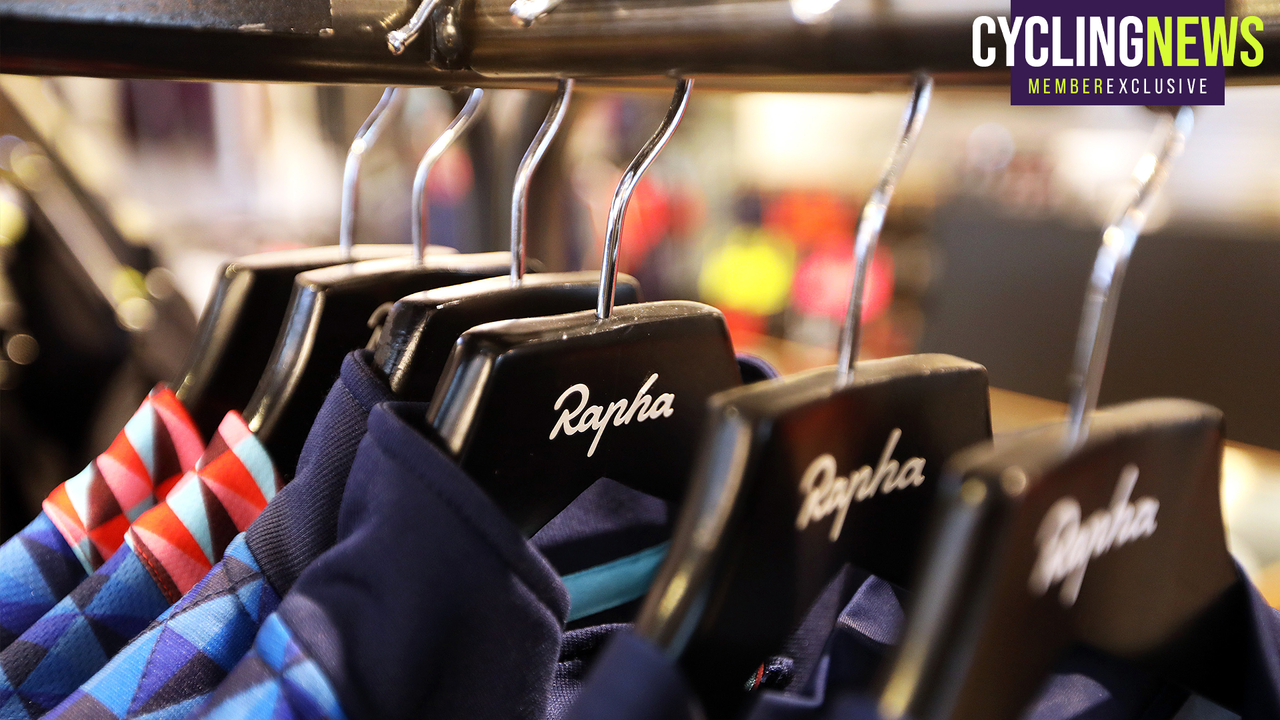
Rapha Jerseys hanging on a rail.

When Iain Sisson spotted an oil stain on a cycling jersey for sale on second-hand clothes app Vinted, he knew he could score a bargain. "I probably got an £80 jersey for the princely sum of £12.50," he says. "Obviously the previous owner didn't know the trick of using a bit of bicarbonate of soda and washing up liquid, which meant the stain came right out."

Sisson, who runs YouTube channel @mercurialcyclist, has saved himself thousands of pounds buying cycling kit second-hand online. It's particularly lucrative when the item has a fault, he adds, as it means you have more negotiating power with the seller.

According to Sisson, you benefit from the fact people take up cycling as a hobby then give up a few months later and want to sell their gear. "Also, cyclists always want new kit: it's like women going on the red carpet who won't wear the same dress twice," he adds.

He's not the only one doing it either. Popular second-hand retail app Vinted now has a dedicated cycling section, where you can buy jerseys for as little as £2 as well as jackets, shoes, gloves, and even bib shorts for a fraction of their shop price. Some are used, others are brand new – often with tags still intact. On eBay too, a quick search for 'used cycling jersey' spits out more than 70,000 results.

But while there are plenty of tales of Vinted super steals, there are horror stories too. Reddit threads are full of anecdotes (not restricted to cycling gear) about jackets arriving covered in pet fur, shorts stained by period blood, and even some trousers that arrived with a worn pair of pants inside. Sellers also chip in, some posting about how they don't wash clothes before selling them because "most buyers wash things anyway".

And of course there's the risk of scams: whether that's boxes arriving completely empty or cheap products masquerading as high-end brands. So how do you navigate this emerging Wild West of buying second-hand cycling gear online?

How to avoid getting scammed

Sisson recommends cyclists avoid buying on-trend brands like Rapha or Pas Normal Studios, as those are the designs he believes are being faked the most.

"I've seen a massive increase in the amount of Rapha stuff that's supposedly new with tags. If you go onto AliExpress or Temu, you'll find a load of copies of them [Rapha items]," he says. "The copies have gotten so good that even if things are listed new with tags, you don't know if you're getting the real deal. I would bet that a lot of those ‘new with tags' items on Vinted might be people buying stuff from those places and trying to sell it at a profit."

Sisson himself bought a Rapha top off Vinted (new with tags) that he suspects might be a fake. "It all looks really proper but just something is a bit off to me. I don't know what it is. I'm sure the top itself is great… but I'm just not 100% convinced it is a Rapha product."

He suggests sticking to 'heritage' brands, like Castelli, Santini and Sportful – companies that make high-quality gear but are not suddenly booming in popularity like the trending labels.

"I never tend to buy anything from a seller with no reviews or ratings. If someone has one thing listed and no reviews, I avoid it," he adds. "Whereas, if someone's taken the time to post seven or eight pictures, I think it's more likely to be real. Plus, if there are creases on the clothes, it seems more real to me. It's clear someone's just pulled it out of the cupboard."

Many brands, including Castelli, now have guides on their websites showing how to identify genuine products.

(Image credit: Castelli)

When trying to work out if an item is authentic, try looking at the zip. Many premium brands will have their logo on there. Also, check the internal care label. Is it clearly printed, in coherent English with correct spelling? Is the material high-quality and does it match the materials the brand normally uses? Small details, like helpful concealed pockets and reflective elements, can also suggest a genuine product as opposed to a cheap fake.

Dan Pettitt from Wiltshire, who runs cycling YouTube channel @d.pettitt, has also saved thousands of pounds buying second-hand cycling kit online. "One of my best finds was a Gore-Tex waterproof jacket for around £40 that would have been well over £200 new. I've also picked up Pas Normal Studios jerseys for under £50 that originally retailed for more than £150," he says.

While his experience has generally been very positive, he too warns that buyers need to be careful.

"Always keep payment within Vinted rather than moving the conversation elsewhere," he advises. "Inspect everything as soon as it arrives."

Vinted offers a Buyer Protection guarantee, which promises to refund you if your order doesn't arrive, if the item is damaged in transit, or if it's very different to how it was described. However, you only have two days after the item arrives to report any issues, so don't leave it sitting unopened.

While Pettitt uses Vinted for clothing, he has also bought bike parts and other products used via Facebook Marketplace. The one thing he would never buy used, however, is a helmet. "You don't know if it's been dropped or damaged," he explains.

Similarly, on online forums like Reddit, many cyclists seem game for buying and selling a whole host of kit items – the main exception being used bib shorts. As one commenter put it: "Used bibs gross me out, even if you did wear something underneath."

How to bag a bargain

When trying to bag a bargain, being specific with searches can help. Looking for a brand and/or collection name can bring up more precise results than simply searching for 'cycling jersey'.

On the flip side, you can occasionally do well with a general search if someone who doesn't know they have a valuable item lists it without a brand name or details. Identify it's a steal from the photos and you could be on to a winner.

Pettitt adds: "Save your searches so you're notified when new items are listed, especially if you're looking for a particular brand. And don't be afraid to negotiate or bundle several items together to get a better price."

Sisson suggests snapping something up immediately if it's "a drop dead good price" (and you're sure it's not fake). But, if not, waiting around can pay dividends, as sellers can become desperate to offload items. "Some things will sit in my favourites for a few months, then I'll think about dropping in a cheeky bid," he adds.

It can also work to buy kit for the opposite season that you're in. Sisson often buys winter clothes in summer when everyone else is looking for summer jerseys and vice versa.

Getting new gear for a great price is no use if it doesn't fit you. "Sizing in cycling can be inconsistent, but that's more of a brand issue than a second-hand one," Pettitt says. "I've bought a few items that ended up being too small, but I then resold them on the platform."

(Image credit: Will Jones)

The best tactic is usually to stick with brands you already know where possible, he recommends. If you're trying something new, look up the original product page for sizing guidance, read reviews, or ask someone of a similar build what size they wear.

On a Reddit thread of cyclists sharing tips about buying second-hand kit, one commenter warned: "There are tons of men's Sidi shoes on eBay listed as women's. If you have extremely narrow feet like I do, it matters a lot. Women's Sidis are stamped with a W on the tongue. Most sellers don't know that, they see a smaller men's shoe and just list it in the women's section."

Even so, many riders are very positive in online forums about the experience of buying used kit online compared with more traditional avenues, like second-hand shops. The same commenter wrote: "There's a second-hand outdoor gear store in my city but unfortunately it sucks…the place is stacked up like a hoarder house. He's got crumbling 30-year-old bibs being held together with petrified grundle sweat priced at $70. I don't even want to touch some of the stuff, much less buy it."

Wear and care

Ultimately, though, it's not just about bagging a bargain. Clare Tuckey, who runs ReCycle & BiCycle, a shop selling vintage cycling clothes and accessories, says that caring for the kit you buy is often as important.

"Hand wash or use a wash bag to prevent snagging," she recommends. "Do a cool wash of no more than 30℃, use a non-biological detergent or a sports wash detergent, and NEVER tumble dry. This will ensure that your kit lasts longer."

Leaving sweat and bacteria on your clothes too long can make the fabric deteriorate and the odours hard to get rid of, so wash them as soon as possible. Be careful with suncream, as it can stain or degrade the material. And avoid washing your kit with towels or items that have velcro: those abrasive materials can ruin the delicate fibres of your gear.

After all, making sure your current kit goes the distance can remove the need for buying second-hand altogether.

Sign up to read this article
Read news from 100's of titles, curated specifically for you.
Already a member? Sign in here
Related Stories
Top stories on inkl right now
One subscription that gives you access to news from hundreds of sites
Already a member? Sign in here
Our Picks
Fourteen days free
Download the app
One app. One membership.
100+ trusted global sources.







