Get all your news in one place.
100’s of premium titles.
One app.
Start reading
Tom’s Guide
Tom’s Guide
Technology
David Crookes

USB flash drives can work as extra RAM — here's how it works

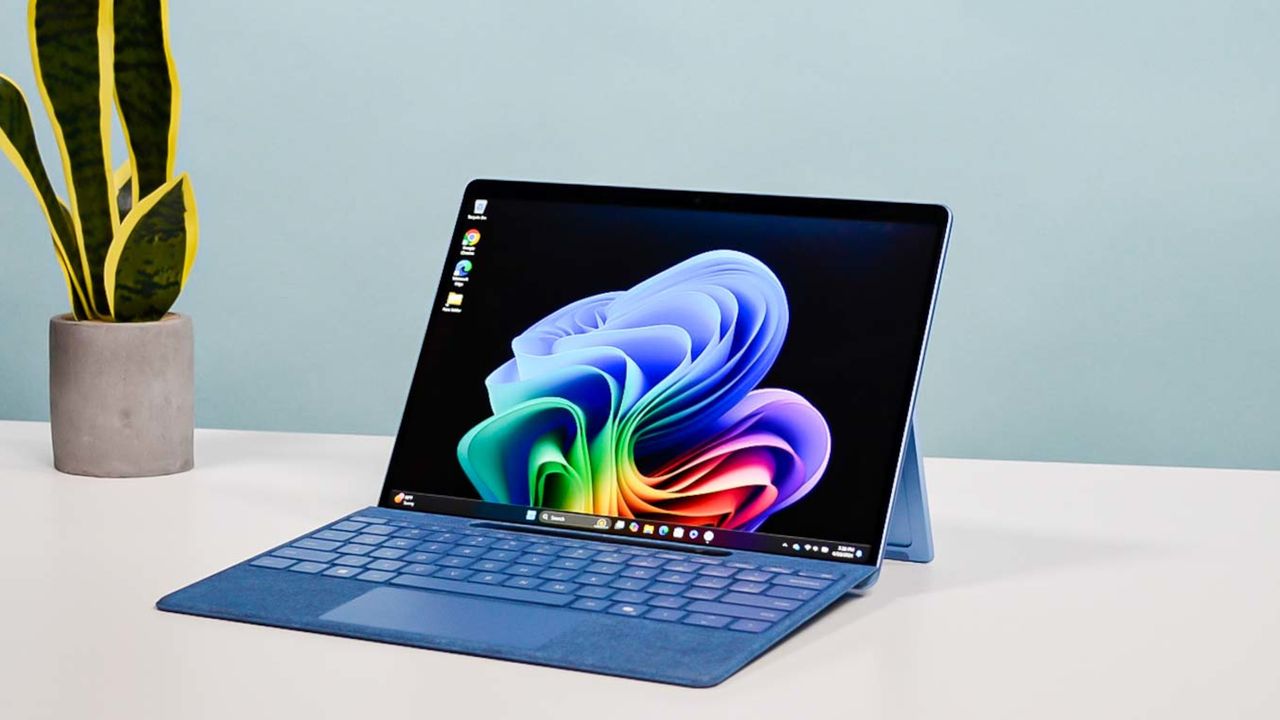
Microsoft Surface Pro 11 on a desk.

As time goes on, even the best PCs begin to slow down and lag. Before long, completing tasks becomes a time-sapping frustration and you're starting to contemplate a replacement.

But wait! You may find the problem eases if you have some extra RAM to hand and you don't need to spend a fortune. By turning a USB flash drive into virtual RAM, you can reduce your reliance on an aging, slow hard disk and give your PC a speed boost. Plus, it's really easy to do, taking less than a minute to get set up.

This trick works with Windows 10 and Windows 11 (it's actually available on older operating systems too). When it's up and running, it uses the flash drive as a cache. The only thing to bear in mind is that it works best if your operating system is installed on a traditional hard drive rather than a solid state drive.

If you're already using an SSD, you won't see much improvement, but if you're still running on an HDD, you're sure to notice decent gains in speed. Here's how to do it.

1. Insert a USB flash drive

First of all, plug a fast USB flash drive or a SD card into your Windows PC. It will need to have more than 500MB of free storage and a high data transfer rate.

2. Open File Explorer

Next, open the File Explorer app that is built into Windows. The USB flash drive or SD card should appear in the sidebar.

3. Select Properties

Right-click the USB flash drive or SD card and select Properties.

4. Choose ReadyBoost

You need to select the ReadyBoost tab then click Dedicate this device to ReadyBoost if you want to use it entirely for virtual RAM or click Use this device if you still want to store files on it.

5. Allocate space

You can now use the slider the allocate an appropriate amount of space. Aim for between one to three times the size of your computer’s RAM. Windows will suggest an amount and it’s a good idea to take the advice.

6. Finish off

When you’re done, click Apply and select Ok. A cache file will be added to the drive and it can now be used as additional RAM.

Follow Tom's Guide on Google News and add us as a preferred source to get our up-to-date news, analysis, and reviews in your feeds. Make sure to click the Follow button!

More from Tom's Guide

Sign up to read this article
Read news from 100’s of titles, curated specifically for you.
Already a member? Sign in here
Related Stories
Top stories on inkl right now
One subscription that gives you access to news from hundreds of sites
Already a member? Sign in here
Our Picks
Fourteen days free
Download the app
One app. One membership.
100+ trusted global sources.