The Trump administration is proposing tariffs of 10 percent or more on products from dozens of major trading partners, following a probe into imports allegedly made with forced labor.
A report released early Wednesday by the U.S. Trade Representative (USTR) stated that Canada, Mexico, Taiwan, the United Kingdom, and other countries would face 10 percent additional tariffs for allegedly failing to enforce a forced-labor import ban.
A 12.5 percent additional tariff would be imposed on China, Japan, India, South Korea, Brazil, Switzerland, and dozens of other countries.
USTR Ambassador Jamieson Greer said in a statement, "The failure of our most important trading partners to address the importation of goods made with forced labor is unacceptable. This creates a dynamic where American workers are forced to compete globally on an unlevel playing field."
He added that "each of our trading partners must do more to ensure that trade does not perversely encourage and entrench forced labor globally."
These new tariffs would not take effect immediately, as they are subject to public comment and review. The investigation into the alleged failure to prevent the importation of goods allegedly made with forced labor was conducted under Section 301 of the Trade Act of 1974.
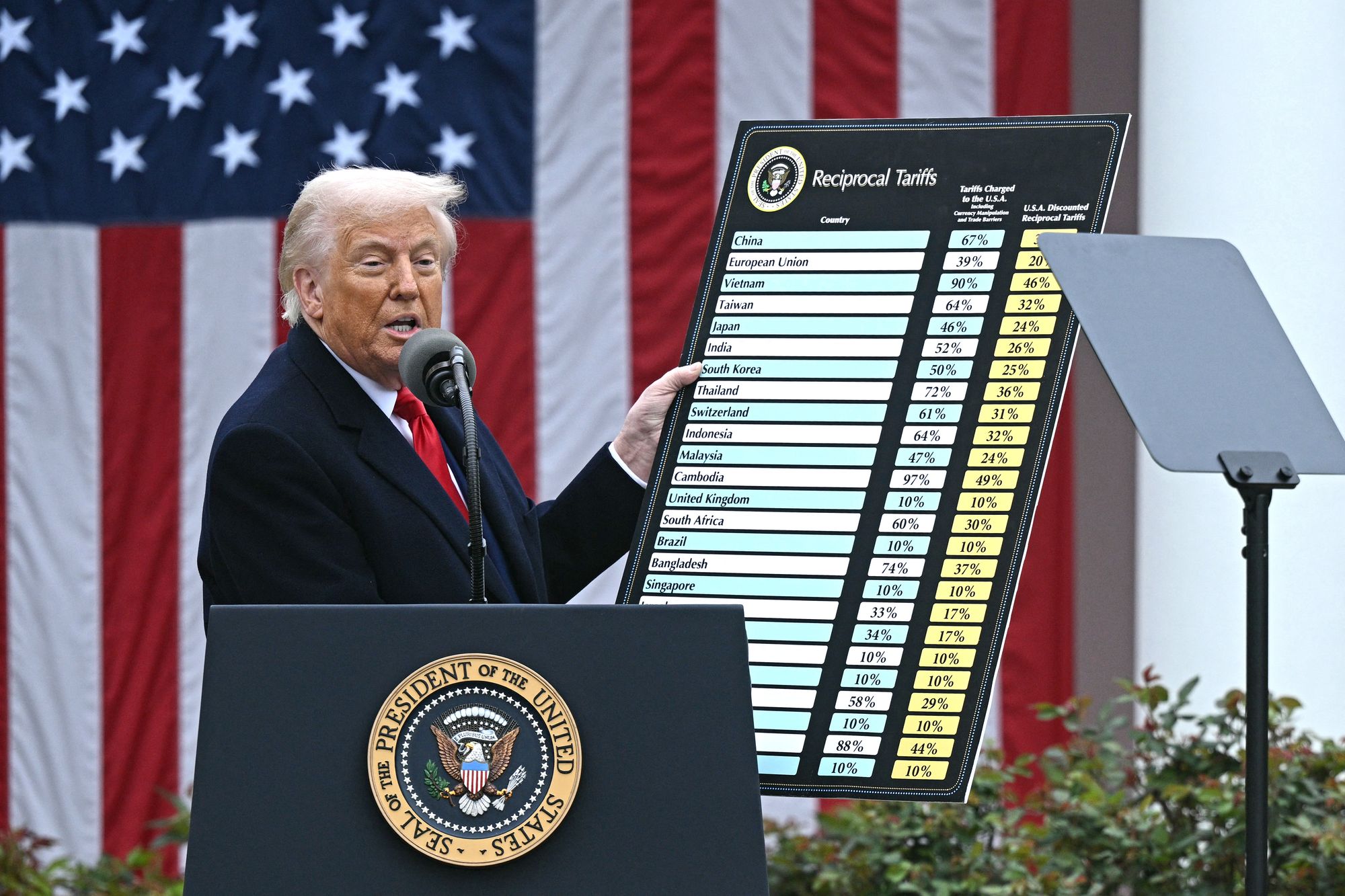
This strategy would enable President Donald Trump to circumvent Supreme Court limits on his tariffs.
The report defined forced labor as "work or service exacted from a person under the menace of any penalty for its nonperformance and for which the worker does not offer himself voluntarily."
The Supreme Court ruled in February that Trump had overstepped his authority by using a different law – the International Emergency Economic Powers Act (IEEPA) of 1977 – to impose sweeping tariffs on U.S. trading partners.