The US has launched Hellfire missiles at an oil tanker attempting to reach Iran’s Kharg Island, after Donald Trump warned Tehran it “better behave” amid renewed strikes over the Strait of Hormuz.
The unladen tanker had ignored multiple warnings before the US military fired the missiles into the ship's smokestack, Central Command (Centcom) said. Kharg Island is home to a terminal through which Tehran exports most of its oil.
It came as US forces carried out two waves of attacks on Iran's coastal defences and missile sites on Wednesday after reimposing a naval blockade of its ports, an escalation which has come days after the collapse of a fragile truce collapsed.
Iran struck back by targeting US military sites in neighboring countries in what it called an "existential war" with America. Tehran is also threatening to shut off more regional energy exports, as fears of a resumption of full-scale war grow.
Since resuming a naval blockade against Iran on Tuesday, the US has redirected two ships and disabled another, the military said.
Tehran has warned that it will not allow any further US interference in Hormuz following the collapse of the 60-day deal, describing it as a red line. It said Iranian forces will target infrastructure across the region if Trump carried out threats to attack Iranian infrastructure, a spokesperson warned.
Bahrain’s Defence Ministry said on Thursday morning its air defences had intercepted and destroyed a number of Iranian projectiles following a fresh wave of attacks on the region by Tehran.
Donald Trump, meanwhile, told reporters he doesn't want to set a deadline for an Iran deal but warned that Tehran needed to “behave” to avoid further US strikes.
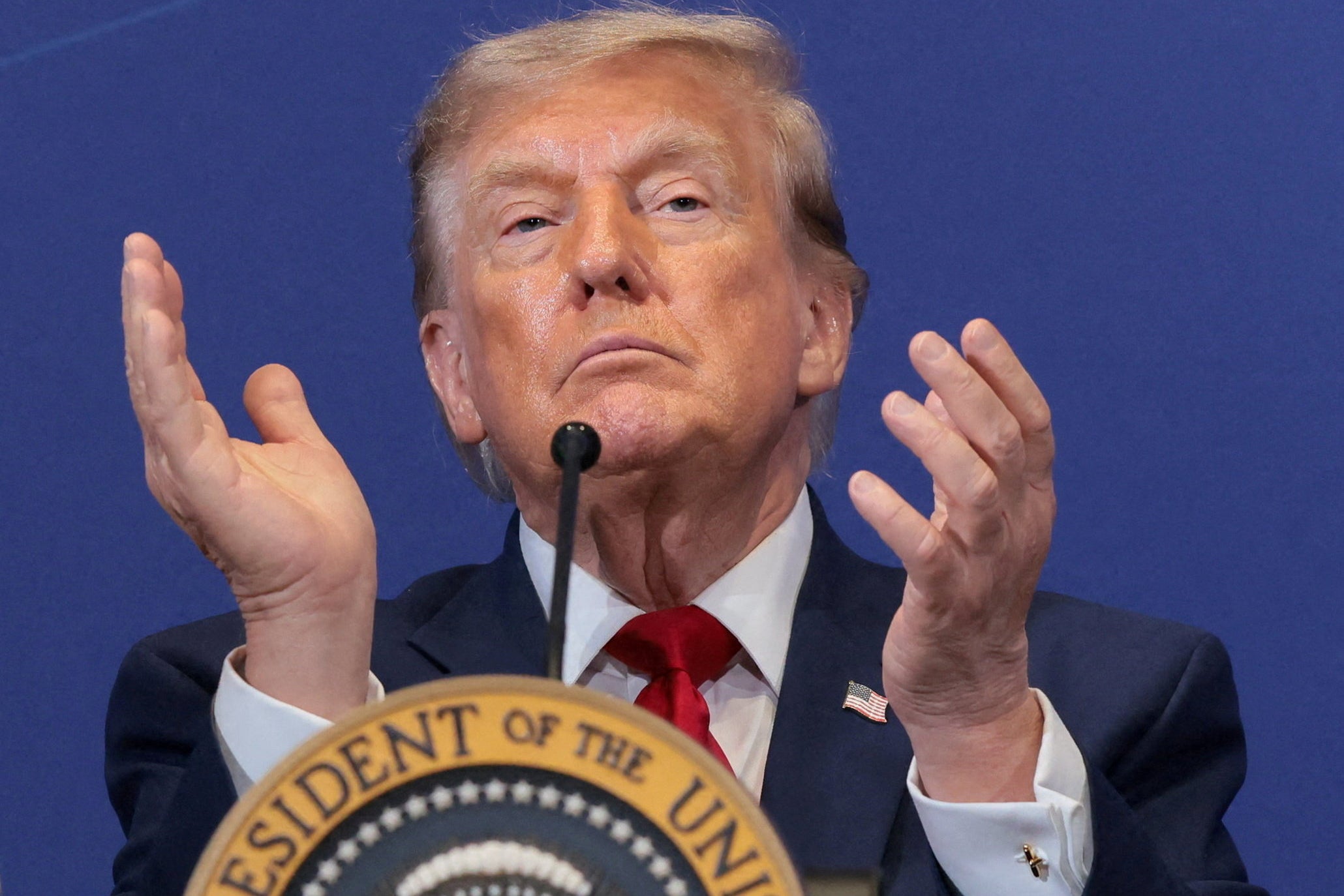
“I don't like giving deadlines, but they pretty much know, they know the story... they better behave," he said.
US officials say the strikes aimed at forcing open the strait are also targeting Iranian military capabilities, before the military possibly carries out more complex operations.
The conflict has kept ships from transiting the vital artery, which carried about a fifth of global oil and gas shipments before the war.
Fewer vessels travelled through the Strait of Hormuz on Wednesday, the first day after the U.S. reimposed its naval blockade on Iranian ports with both countries escalating strikes across the Gulf, shipping data showed.
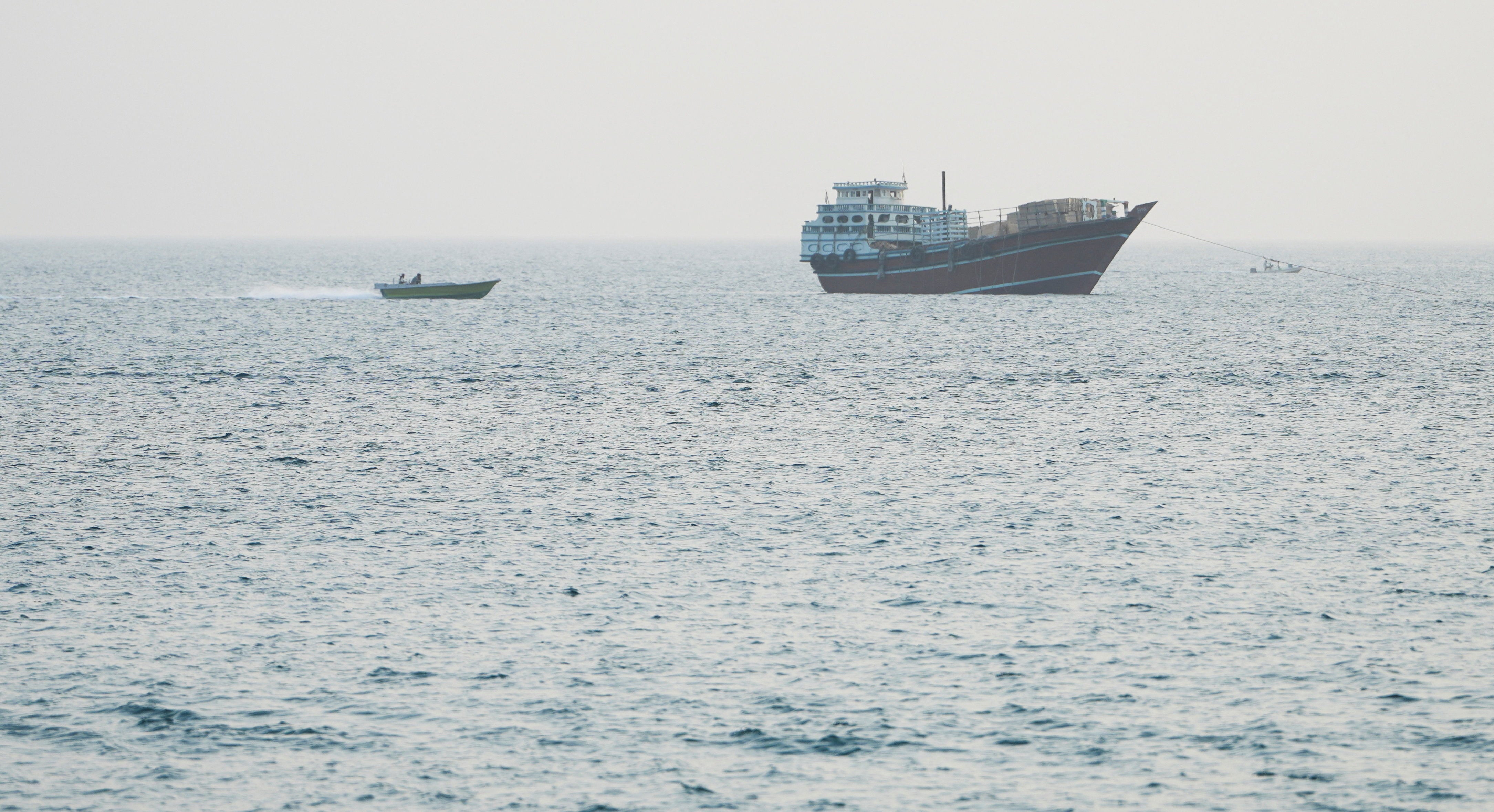
Nine vessels crossed the strait on Wednesday, mostly on the Iranian route, down from 13 the previous day, Kpler data showed.
There were no Very Large Crude Carrier or liquefied natural gas tankers visibly passing through the strait on Wednesday.
The impact is already being felt on oil prices, with Brent crude, the international benchmark, closed at a one-month high of $84.95 a barrel on Wednesday.