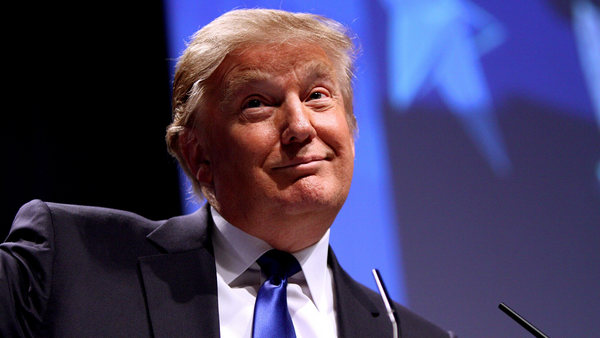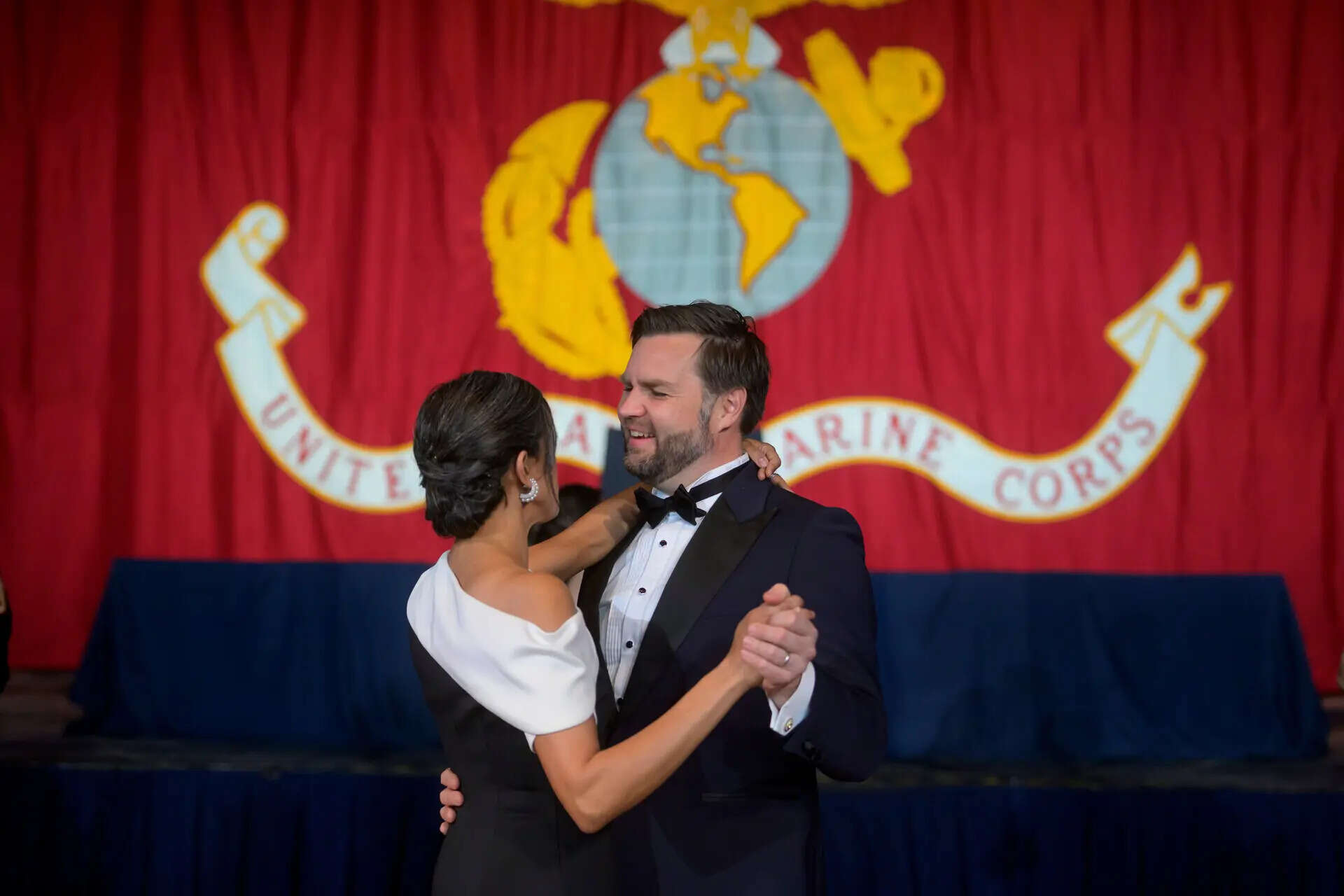
In the 19th century, Otto von Bismarck famously observed that politics is “the art of the possible, the attainable — the art of the next best”. Few modern American politicians embody that sentiment quite like US vice president JD Vance. Over the past decade, Vance’s political journey has been marked by dramatic pivots: from a sharp critic of Donald Trump who once described him as “cultural heroin” for the Republican Party, to one of the most prominent champions of the Trump movement, and now to a vice president navigating the uneasy terrain between populist isolationism and an administration willing to use military force abroad.
That tension became particularly visible during the early days of the Iran war, when Washington’s attention shifted to a curious question that began circulating across political circles and newsrooms alike: where exactly was JD Vance?