Picture this: the year is 2023, and against all odds, greenhouse gas emissions in the United States have dropped by nearly 2%. It's like witnessing a unicorn gracefully prance through a field of daisies. Okay, maybe not that magical, but it's definitely a step in the right direction. However, before we start throwing a party, let's pump the brakes for a moment.
According to a recent report from the Rhodium Group, while the decline in emissions is noteworthy, it falls far short of President Biden's ambitious goal of cutting U.S. emissions in half by 2030 (compared to 2005 levels). We're talking about more than tripling the rate of emissions reduction we saw in 2023, and maintaining that level of reduction consistently for the next decade. That's a tall order, my friends.
The report reveals that the decline in emissions last year amounted to a modest 1.9%. Sure, it's progress, but it's not exactly earth-shattering. In fact, if we really want to hit Biden's target, we'll need to buckle up and put our collective foot on the pedal of change. And that means taking some serious action.
The good news is that last year, emissions from the power and buildings sectors went down, thanks in part to a milder winter and a continued shift away from coal. However, on the flip side, emissions from the transportation sector increased. As the world slowly emerged from the grips of a pandemic-induced slumber, airplane travel and gasoline consumption saw a rebound. And let's not forget about industrial emissions, which saw a small increase due to higher domestic oil and gas production.
But wait, there's more! While we're on the topic of emissions, let's address the not-so-rosy situation with renewable energy. While solar installations were soaring, wind turbine installations took a bit of a dive in comparison to previous years. Rising costs, supply chain issues, and a few canceled offshore wind projects have put wind power's growth on shaky ground. It's a bit like watching a rollercoaster ride with unpredictable twists and turns.
However, it's not all doom and gloom. The Biden administration and congressional Democrats passed a groundbreaking climate law, the Inflation Reduction Act, in 2022. This law includes substantial tax credits and incentives to encourage investment in clean energy like solar and wind power. It's a step in the right direction, but its effects will take some time to manifest fully.
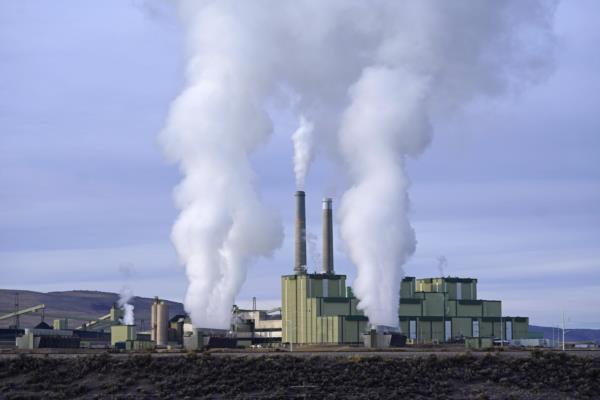
In addition to the climate law, the Environmental Protection Agency has been working diligently to tackle emissions. They've implemented rules and proposals to crack down on methane emissions and pollution from coal-fired power plants. In fact, coal now only accounts for 17% of U.S. electricity generation, a record low. So, progress is being made on multiple fronts.
However, let's not pretend that everything is hunky-dory. U.S. oil production reached an all-time high in 2023, which doesn't quite align with Biden's efforts to reduce carbon emissions. Methane leaks and other emissions from oil and gas operations have contributed significantly to the increase in industrial sector emissions. It's a reminder that there's still work to be done to clean up the energy sector.
If we truly want to turn the tide on greenhouse gas emissions, we need to address not only those from the energy sector but also from industries like iron and steelmaking, cement manufacturing, and chemical production. It's a tall order, but if we can come together and implement meaningful actions, we might just be able to steer the ship in the right direction.
So, as we reflect on the progress made in 2023 and the challenges that lie ahead, let's not forget that the fight against climate change requires dedication, innovation, and a touch of that good ol' can-do spirit. It's time to roll up our sleeves and get to work because the fate of our planet depends on it.