
In the operating room, anesthesiology is often the invisible force that makes surgery possible. Yet today, the profession is experiencing numerous changes that are reshaping how care is delivered. As we stand at this crossroads, it's more important than ever to ensure that anesthesiology residents and certified registered nurse anesthetists (CRNAs) receive not only clinical training but also deep insight into the evolving landscape of their profession.
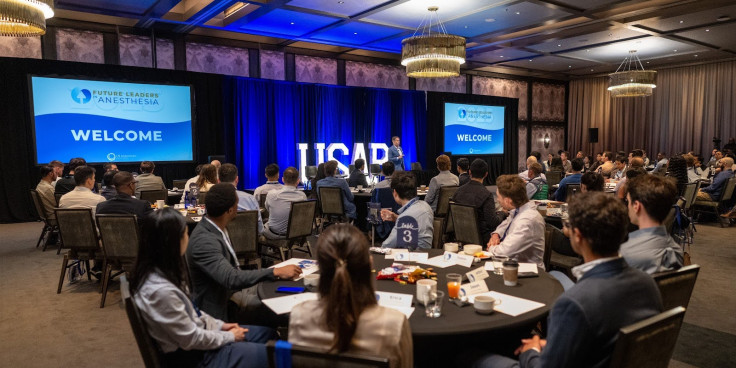
That's why U.S. Anesthesia Partners (USAP) created the Future Leaders in Anesthesia (FLA) conference, now in its third year. Held earlier this month in Austin, Texas, it's the only national summit dedicated to preparing anesthesiology residents and CRNA students for the realities of modern practice. More than 200 attendees from 23 states gathered to learn from top experts in the field -- not just about medicine, but about leadership, innovation and the business of healthcare. I was inspired by the intelligence, enthusiasm and commitment to patient care I saw from the residents and CRNA students who attended.

The urgency of this mission cannot be overstated. According to the American Society of Anesthesiologists, the number of medical facilities reporting anesthesia staffing shortages more than doubled between 2020 and 2022, from 35 percent to 78 percent. By 2033, nearly a quarter of anesthesia providers are projected to leave the workforce. The U.S. Health Resources & Services Administration forecasts a shortage of 8,450 anesthesiologists by 2037. These numbers are more than statistics; they represent delayed surgeries, strained emergency departments and underserved rural communities.
That's where FLA comes in. The conference was designed to fill the gaps left by traditional clinical training. For anesthesiology residents, sessions covered topics such as hemostatic resuscitation, workplace culture and quality control. For CRNA students, we focused on preparing for the national certification exam, navigating the critical first year out of training and understanding the business side of anesthesia. Across both tracks, attendees gained insight into leadership, innovation and the future of healthcare delivery.

Our speakers included some of the most respected voices in the field: Dr. Richard Dutton, USAP's Chief Quality Officer; Dr. Mo Azam, Head of Innovation; Dr. Kelly LeBlanc, Chief of Anesthesia at Houston Methodist Cypress Hospital; Dr. Matt Maloney, President of Clinical Operations; and CRNA leaders Ray Ramos and Bree Brown. These experts brought not only clinical excellence but also a deep understanding of the systems and strategies that shape our profession.
The goal was simple: to educate the next generation of leaders in anesthesiology, instill confidence and prepare them for the challenges ahead. We wanted our residents and CRNAs to leave FLA not just with knowledge, but with a sense of purpose and a network of mentors who can guide them throughout their careers.
This kind of investment in future talent is not just good for the profession -- it's essential for patient care. Anesthesiologists and CRNAs will need to become strategic leaders. That means managing teams and making decisions that balance technology with empathy. It also means advocating for the visibility and value of anesthesiology within the broader healthcare system.
At USAP, we believe that leadership starts early and so we also host regional recruitment events, like the recent summit in Chicago for 55 CRNA students. These gatherings offer hands-on learning, mentorship and exposure to the realities of clinical practice. They're part of a broader strategy to build a sustainable pipeline of anesthesia professionals who are ready to meet the demands of a changing world.
The challenges facing anesthesiology are real, but so are the opportunities. By investing in education, mentorship and innovation, we can ensure that the next generation of anesthesiologists and CRNAs are not only prepared but empowered.
Neal Grabarkewitz is Senior Vice President – Clinical Talent Acquisition & Innovative Workforce Solutions for U.S. Anesthesia Partners.







