
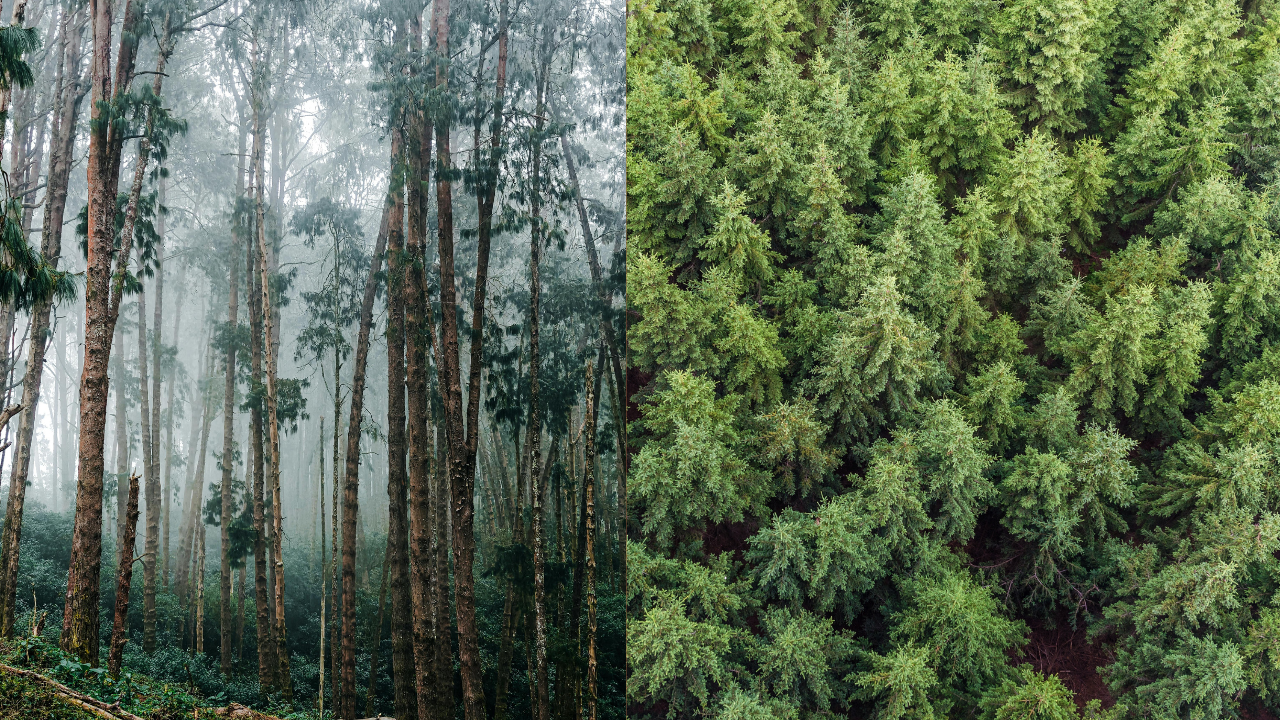
Across Uruguay, large areas of traditional grassland have been converted into managed forests, particularly plantations of fast-growing trees such as eucalyptus and pine. The change can bring economic benefits through timber production, but it also alters how water moves through the landscape. A 20-year paired-watershed study in northern Uruguay provides one of the clearest long-term measurements of that effect. According to the study ‘ Hydrologic Impacts of Afforestation in Uruguay, A 20-Year Paired Watershed Study ,’ researchers monitored two neighbouring watersheds beginning in 2000, one remained pasture while the other was planted with loblolly pine in 2003. By the end of the study, the forested watershed was producing substantially less water than it would have under grassland. The researchers found that cumulative water yield fell by 35% over the 17-year period after planting, with the difference becoming apparent several years after the trees were established.
Get breaking news anytime, anywhere. Download the TOI app now!