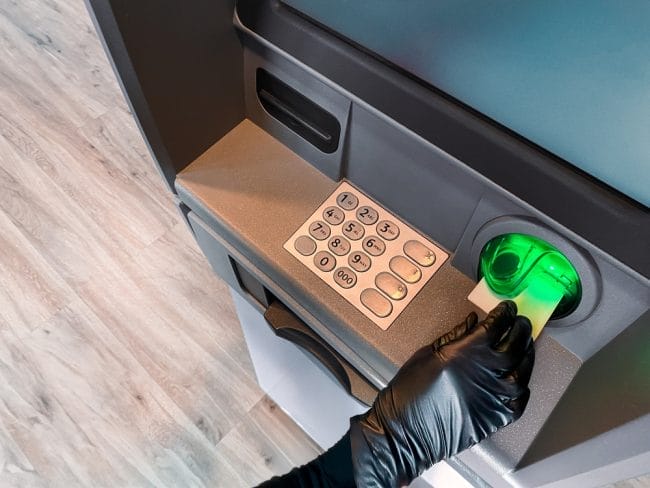
We have all done it. You are in a rush, you need cash, and you slide your card into the nearest ATM without a second thought. It is a routine action, muscle memory at this point. But increasingly, that routine is being exploited by sophisticated criminal rings using technology that is nearly invisible to the untrained eye.
ATM skimmers are not a new threat, but they have evolved significantly from the clunky plastic overlays of the past. Today’s devices are sleek, integrated, and often installed in seconds by criminals acting casually in plain sight. As someone who investigates financial fraud trends, I can tell you that relying on the bank’s security cameras isn’t enough. You need to know how to spot the hardware before it steals your data. Here is the urgent warning on the four subtle signs that an ATM has been compromised.

The “Wiggle Test” Fails
This is the single most effective low-tech defense you have, yet almost nobody does it. Before you insert your card, grab the plastic housing surrounding the card slot and give it a firm wiggle. Legitimate ATM components are robustly manufactured and bolted securely into the machine’s chassis. They should feel solid, with absolutely no give. Skimming devices, however, are often attached with double-sided tape or weak magnets for quick installation and removal by thieves. If the card reader feels loose, shifts under your touch, or looks slightly misaligned with the rest of the machine face, do not use it. Honestly, if it wiggles, walk away.
The Hidden Camera Pinhole
Skimming your card’s magnetic stripe data is only half the battle for criminals; they also need your PIN to cash out. To get it, they often install miniature cameras positioned to look down at the keypad. These cameras are masters of camouflage.
I have seen them hidden inside seemingly innocent brochure holders attached to the side of the ATM, embedded in light fixtures above the screen, or disguised as part of the machine’s molding. Look for a tiny pinhole, smaller than the tip of a pen. If you see anything tacked onto the machine that looks extraneous, or if there is a clear line of sight from a mounted object to your hands, assume it’s watching you type.
The Keypad Feels “Spongy” or Thick
If the criminal can’t use a camera, they will use a keypad overlay. This is a false keypad placed directly on top of the real one. It records your keystrokes as you press down to enter your PIN on the actual buttons’ underneath.
Banks design their keypads to be responsive and tactile. An overlay messes with that engineering. If the keys feel unusually thick, if you have to press harder than normal to register a number, or if the entire pad feels “spongy” rather than rigid, your PIN is likely being compromised. A legitimate keypad should sit flush with the machine’s casing; an overlay will often sit slightly higher.
Resistance When Inserting Your Card
Modern ATMs are designed for smooth operation. The motorized card intake should grab your card gently and pull it in. Skimmers—especially the deeply invasive “shimmer” types that go inside the slot to read chip data—add bulk to the internal mechanism.
If you feel significant resistance when pushing your card in, or if the machine seems to struggle to eject it back out, something is wrong inside that slot. It might just be debris, but it is often a foreign device wedged against the reader heads. Never force your card into a slot that fights back.
Your Vigilance Is the Best Security
Banks are constantly upgrading their tech, but criminals are innovating just as fast, using Bluetooth to download your data without ever returning to the machine. You cannot rely solely on fraud alerts to protect you.
The next time you approach an ATM, take ten seconds to perform a physical inspection. Pull the slot, cover your hand when typing your PIN, and trust your gut. If the machine looks tampered with, report it to the bank immediately. A moment of suspicion can save you months of identity theft headaches.
Have You Seen One?
Have you ever encountered an ATM that looked suspicious or successfully spotted a skimmer? Share your story in the comments to help educate others on what to look for!
What to Read Next…
- 7 Medical Devices Banned for Mental Health Treatment in Certain Countries
- Gas Station Card Skimmers Are Getting Smarter — What Happens If You Ignore the Signs
- Why Criminals Are Stuffing ATMs with Glue—and How It Impacts Your Cash
- 8 Things You Should Never Keep in Your Wallet (Identity Theft Risks)
- 11 Identity Theft Tricks Criminals Don’t Want You To Know
The post Urgent Warning: 4 Signs the ATM Skimmer Has Copied Your Card Details appeared first on Budget and the Bees.