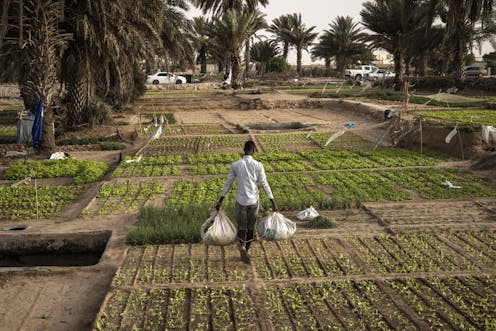
Urban agriculture takes many forms, among them community, school or rooftop gardens, commercial urban farms, and hydroponic or aquaponic systems. These activities have been shown to promote sustainable cities in a number of ways. They enhance local food security and foster economic opportunities through small-scale farming initiatives. They also strengthen social cohesion by creating shared spaces for collaboration and learning.
However, evidence from some African countries (and other parts of the world) shows that very few young people are getting involved in agriculture, whether in urban, peri-urban or rural areas. Studies from Kenya, Tanzania, Ethiopia and Nigeria show that people aged between 15 and 34 have very little interest in agriculture, whether as an educational pathway or career. They perceive farming as physically demanding, low-paying and lacking in prestige. Systemic barriers like limited access to land, capital and skills also hold young people back.