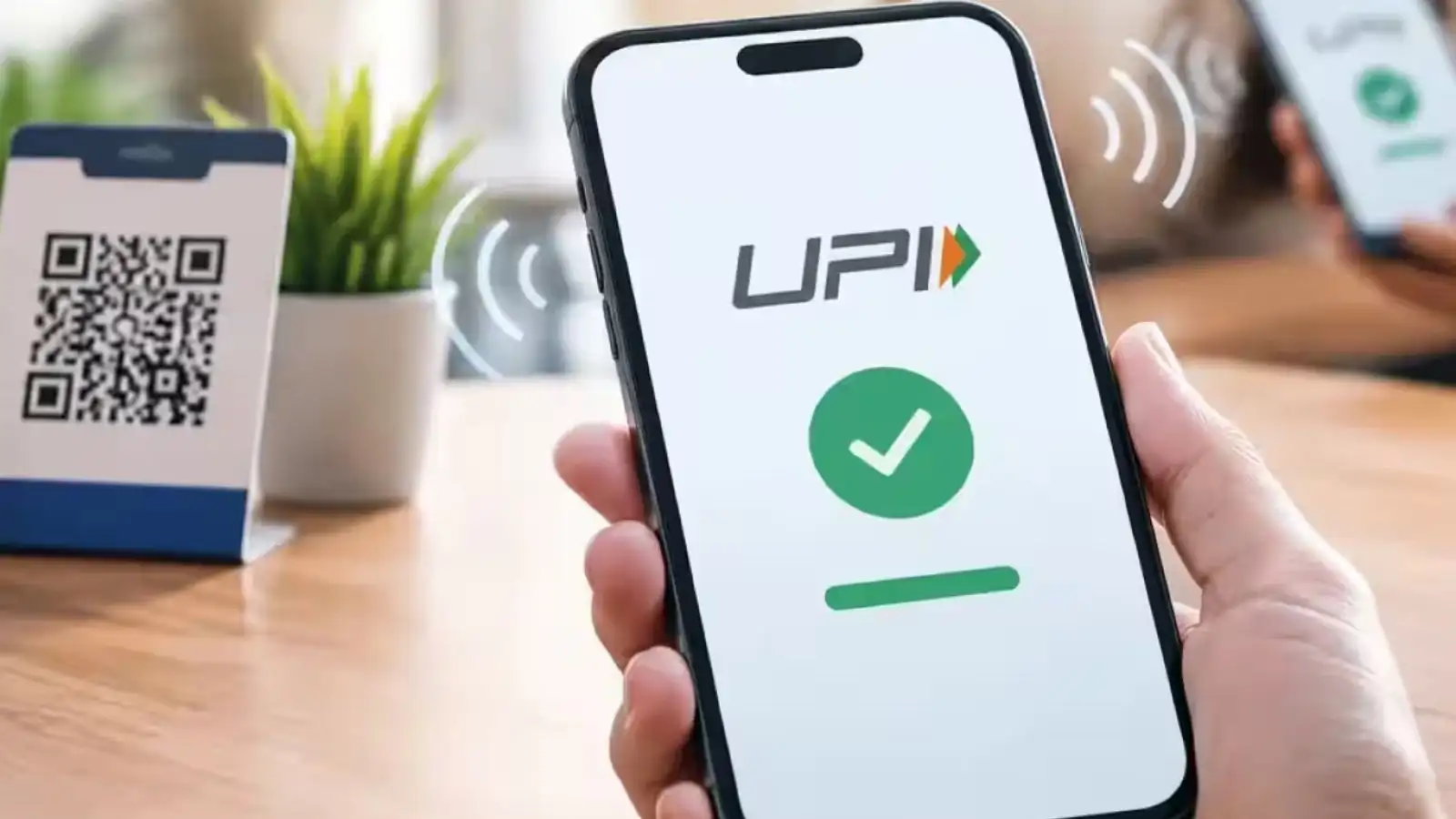
UPI transactions through popular Unified Payments Interface (UPI) in volume terms have witnessed a 27 per cent jump to around 145 billion in the first half of the current fiscal year.
This is against UPI volume 114 billion in during the April-September quarter of the previous financial year, according to data released by the National Payments Corporation of India (NPCI).
However, the UPI transaction during the value term rose a slightly lower rate of 20 per cent to Rs 177 lakh crore as against Rs 148 lakh crore during the first six months of the current financial year.
As regards September, the UPI volume moderated by 1.7 per cent to 24.07 billion as compared to 24.5 billion recorded last month.
On a month-on-month basis, value, too, declined 1.5 per cent to Rs 29.37 lakh crore against Rs 29.82 lakh crore in August.
The figures come a fortnight ahead of the implementation of the new merchant discount rate (MDR) fee on high-value UPI payments for merchants.
Industry watchers attributed the decline to the fact that August has 31 days versus 30 in September, and pointed out that the average transactions per day were higher in September at 802 million versus 791 million in August.
NPCI, an initiative of the Reserve Bank of India (RBI) and the Indian Banks' Association (IBA), is an umbrella organisation for operating retail payments and settlement systems in India.
It runs the UPI used for real-time payments between peers or at merchants' end while making purchases.
Effective October 15, a 0.4 per cent merchant discount rate will be levied on merchants for UPI transactions over Rs 2,000. However, no charge will be levied on person-to-person transactions regardless of the amount.
The introduction of a 0.4 per cent MDR on certain UPI transactions above Rs 2,000 is aimed at creating a sustainable revenue framework for the digital payments ecosystem.
The MDR is a fee paid by merchants to payment service providers for processing digital transactions.
The collected amount will be shared among banks and other entities in the UPI ecosystem.
Of the total MDR collected, 40 per cent will go to customers' banks, 30 per cent to payment gateway, 20 per cent to the UPI app and the remaining 10 per cent to the sponsoring bank of the UPI app.
It is to be noted that the MDR charge will be paid by merchants, not consumers, and will be capped at Rs 300 for transactions of Rs 75,000 or more.
Payments between individuals, as well as the vast majority of everyday merchant payments, will remain free.
Essential services, such as railways, telecom, fuel and insurance, will attract a flat Rs 5 fee per transaction above Rs 2,000. Capital markets transactions (mutual funds, stockbroking) get a lower 0.02 per cent rate, also capped at Rs 300.
Small merchants collecting up to Rs 1 lakh a month via UPI QR codes remain fully exempt from any new charge and shield about 96 per cent of all merchant transactions.
As far as overseas presence is concerned, UPI now is accepted in 11 countries, with Uzbekistan being the latest entry.
The other countries where UPI is accepted are Singapore, the United Arab Emirates, France, Mauritius, Nepal, Bhutan, Qatar, Sri Lanka, Cambodia, and Greece.
The UPI, launched on August 25, 2016, has transformed India's digital payments landscape, with transaction value surging from Rs 0.07 lakh crore in FY17 to around Rs 314 lakh crore in FY26, a more than 4,000-fold increase over the decade.