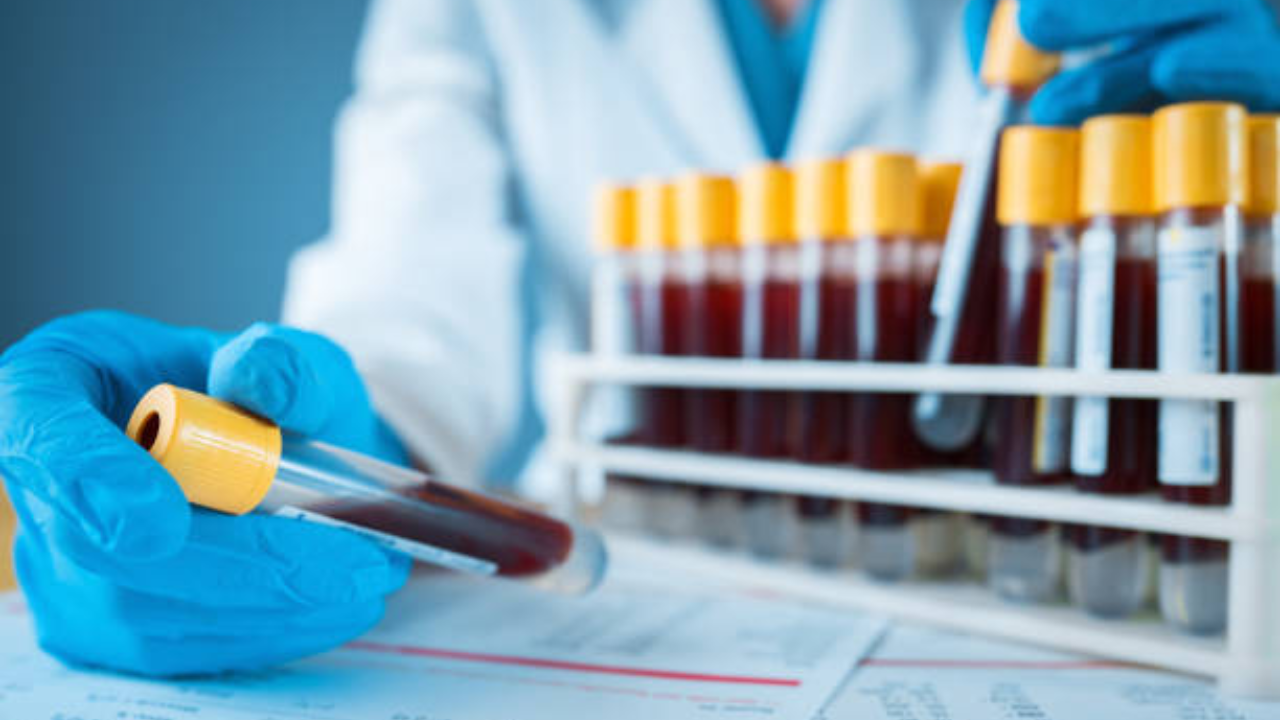
Rare blood disorders are a group of conditions that affect the production or function of blood cells. These disorders can be inherited or acquired, and they can affect any part of the blood, including red blood cells, white blood cells, and platelets. There are hundreds of different rare blood disorders, and each one has its own unique set of symptoms and treatments. Let’s understand the rare blood disorders and its types and treatment.
Hemophilia: Hemophilia is a genetic disorder characterized by a deficiency in clotting factors, primarily Factor VIII (hemophilia A) or Factor IX (hemophilia B). This leads to prolonged bleeding even from minor injuries. Treatment typically involves replacement therapy with clotting factor concentrates, either on-demand or prophylactically to prevent bleeding episodes. Gene therapy is also being investigated as a potential treatment option for hemophilia.