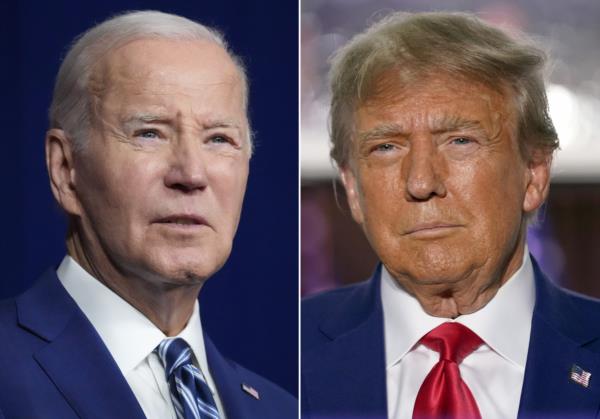
President Joe Biden and former President Donald Trump have officially secured the necessary number of delegates to be considered the presumptive nominees for their respective parties. This outcome was widely expected, as both candidates faced minimal opposition in their primary races.
Understanding the 'Presumptive Nominee' Status
The Associated Press designates a candidate as the 'presumptive nominee' once they have secured the required number of delegates to win a majority vote at the national party convention. For Republicans, this year's threshold is 1,215 delegates, while Democrats need 1,968 delegates.
Implications for the Political Parties
Upon achieving presumptive nominee status, the national Democratic and Republican parties typically begin direct coordination with the candidates. This coordination involves strategic planning and support for the upcoming general election campaign.
Official Nomination Process
While Biden and Trump are now presumptive nominees, they will not officially become their parties' nominees until the national conventions take place later this summer. At these conventions, delegates will cast their votes to formally nominate the candidates.
Historically, the nomination process involved more uncertainty, with party leaders playing a significant role in selecting the eventual nominee. However, in modern times, the nominee is usually determined through the primary and caucus system.
As the presidential campaign progresses, both Biden and Trump will continue to solidify their positions as the standard-bearers for their parties. The focus will now shift towards the general election, where the presumptive nominees will compete for the presidency.