Across Western Australia there is a quiet layer of specialist work that keeps infrastructure safe, mines productive and buildings standing strong. Much of this work happens out of sight and often at height or in challenging ground conditions. Rope access services and geotechnical services sit at the centre of this effort, blending engineering knowledge with practical problem solving.
This article explores what these services involve, why they matter in Western Australia and how they are applied across industries. The aim is to provide clarity rather than promotion, helping asset owners and project managers understand the value of engaging experienced specialists.
Why Western Australia Presents Unique Challenges
Western Australia covers vast distances and a wide range of environments. Coastal cliffs, urban high rise buildings, remote mine sites and ageing industrial infrastructure all exist within the same state. Access is often difficult and ground conditions can vary dramatically over short distances.
These realities demand flexible methods of inspection, testing and remediation. Traditional access systems and generic ground assessments do not always suit local conditions. This is where rope access and geotechnical expertise become essential.
Albatec
Understanding geotechnical and rope access services helps asset owners make better decisions about safety, maintenance and long term performance. These disciplines work quietly in the background, but their impact is significant.
For organisations in Western Australia seeking experienced support in rope access and geotechnical services, Albatec provides specialist solutions across a wide range of environments. To learn more about their capabilities and approach, visit Albatec and explore how their team supports safe and effective outcomes on complex sites.
What Rope Access Services Really Are
Rope access is a method of working at height or in hard to reach locations using ropes and specialist equipment rather than scaffolding or heavy machinery. It is commonly associated with industrial maintenance, building inspections and remediation works.
While it may look simple from a distance, rope access relies on strict safety systems, detailed planning and highly trained technicians. Every movement is controlled and backed up by redundancy in equipment and procedures.
How Rope Access Improves Safety and Efficiency
One of the most misunderstood aspects of rope access is safety. When properly executed it is often safer than traditional access methods because it reduces the number of people on site and removes the need for large temporary structures.
Efficiency is another key benefit. Rope access teams can mobilise quickly, complete inspections in hours rather than days and minimise disruption to surrounding operations. In urban environments this can mean less noise and fewer road closures. In industrial settings it can mean reduced downtime.
Typical Applications of Rope Access in Western Australia
Rope access is widely used across Western Australia in sectors such as mining, oil and gas, construction and asset management. It supports façade inspections, concrete repairs, façade cleaning, structural assessments and installation of monitoring equipment.
In remote locations it allows technicians to reach structures that would otherwise require costly crane mobilisation. Along the coast it enables safe access to cliffs, seawalls and marine infrastructure that cannot be reached from the ground.
The Role of Geotechnical Services
Geotechnical services focus on understanding how soil, rock and groundwater interact with structures and natural landforms. These services provide the data and interpretation needed to design foundations, stabilise slopes and manage ground risks.
In Western Australia geotechnical input is critical due to expansive soils, reactive clays, variable rock profiles and historic land use. Without proper investigation and monitoring, small ground issues can develop into major structural problems.
What Geotechnical Investigations Involve
A geotechnical investigation may include site inspections, drilling, sampling, laboratory testing and analysis by experienced engineers. The goal is to build a clear picture of subsurface conditions and how they may change over time.
This information supports decisions around design, construction methods and ongoing asset management. It also plays a key role in risk assessment and compliance with regulatory requirements.
Ground Stability and Slope Management
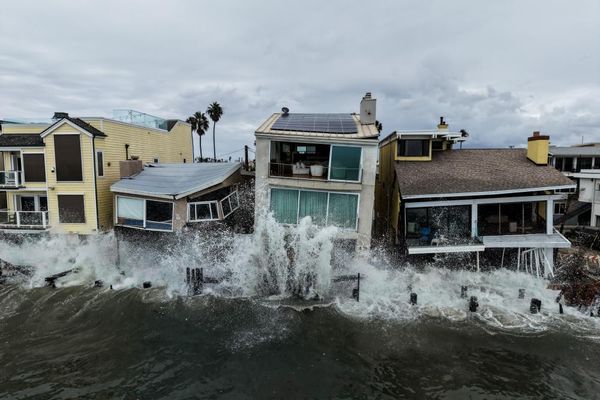
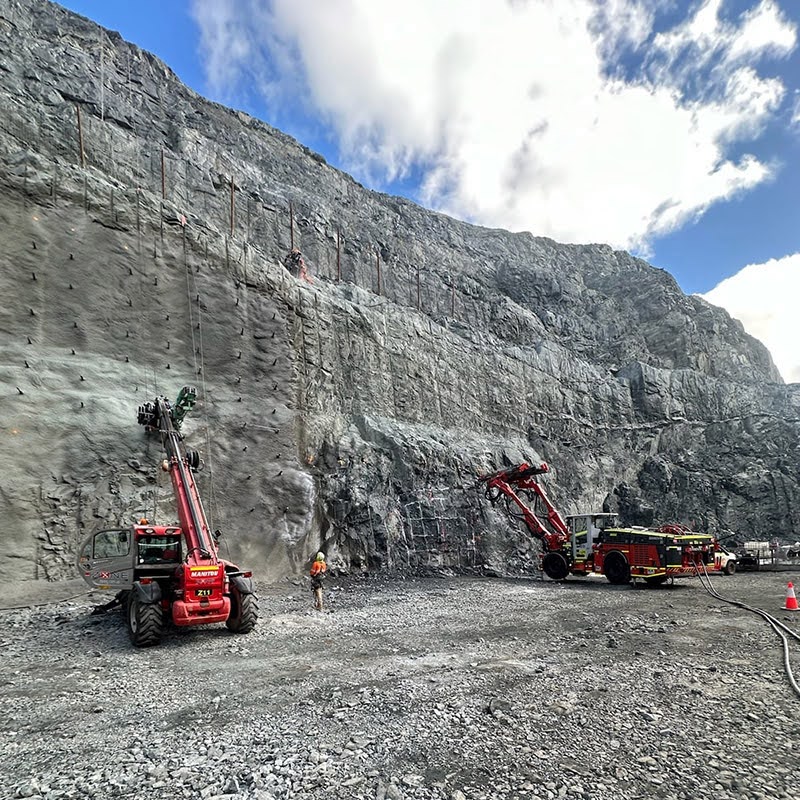
Slope stability is a major concern in Western Australia, particularly in coastal areas and around open cut mining operations. Natural erosion, groundwater movement and weathering can all weaken slopes over time.
Geotechnical services help identify early warning signs of instability and recommend appropriate mitigation measures. These may include drainage improvements, anchoring systems or surface protection works.
Where Rope Access and Geotechnical Services Overlap
In many projects, rope access and geotechnical expertise work together. Rope access allows engineers and technicians to safely reach rock faces, embankments and retaining structures for detailed inspection and testing.
This combination is particularly valuable in areas where conventional access is impractical or environmentally intrusive. It allows accurate data collection while minimising disturbance to the site.
Inspection and Monitoring at Height
Long term asset management relies on regular inspection and monitoring. Rope access makes it possible to install and maintain monitoring instruments in locations that would otherwise be ignored due to access constraints.
Geotechnical data gathered over time provides insight into movement, deformation and changes in groundwater conditions. This proactive approach helps asset owners plan maintenance rather than react to failures.
Environmental and Cost Considerations
Both rope access and targeted geotechnical investigations offer environmental benefits. Reduced need for heavy machinery means less ground disturbance and lower emissions during site works.
From a cost perspective these services often deliver better value over the life of an asset. Early identification of issues and efficient access methods reduce the likelihood of major remedial works later.
The Importance of Local Experience
Western Australia is not a one size fits all environment. Local knowledge plays a significant role in interpreting geotechnical data and selecting appropriate access methods.
Professionals who understand local geology, climate and regulatory frameworks are better positioned to provide practical recommendations. This experience becomes especially important on remote or complex sites.
Choosing the Right Service Provider
When engaging specialists for rope access or geotechnical services, qualifications and experience matter. Accreditation, safety systems and a track record of working in similar environments are key indicators of capability.
Equally important is the ability to communicate findings clearly. Technical reports and inspections only add value when they are translated into actionable advice for decision makers.
Looking Ahead at Infrastructure and Asset Care
As infrastructure across Western Australia continues to age, the demand for efficient inspection and maintenance solutions will grow. Rope access and geotechnical services will remain central to this effort.
Advances in monitoring technology and data analysis are also enhancing how these services are delivered. Combined with skilled field work, they offer a more informed and proactive approach to asset management.