
Get all your news in one place.
100’s of premium titles.
One app.
Start reading
The Times of India
The Times of India
Lifestyle
TIMESOFINDIA.COM

Understanding Cervical Cancer: What are the risk factors and prevention tips

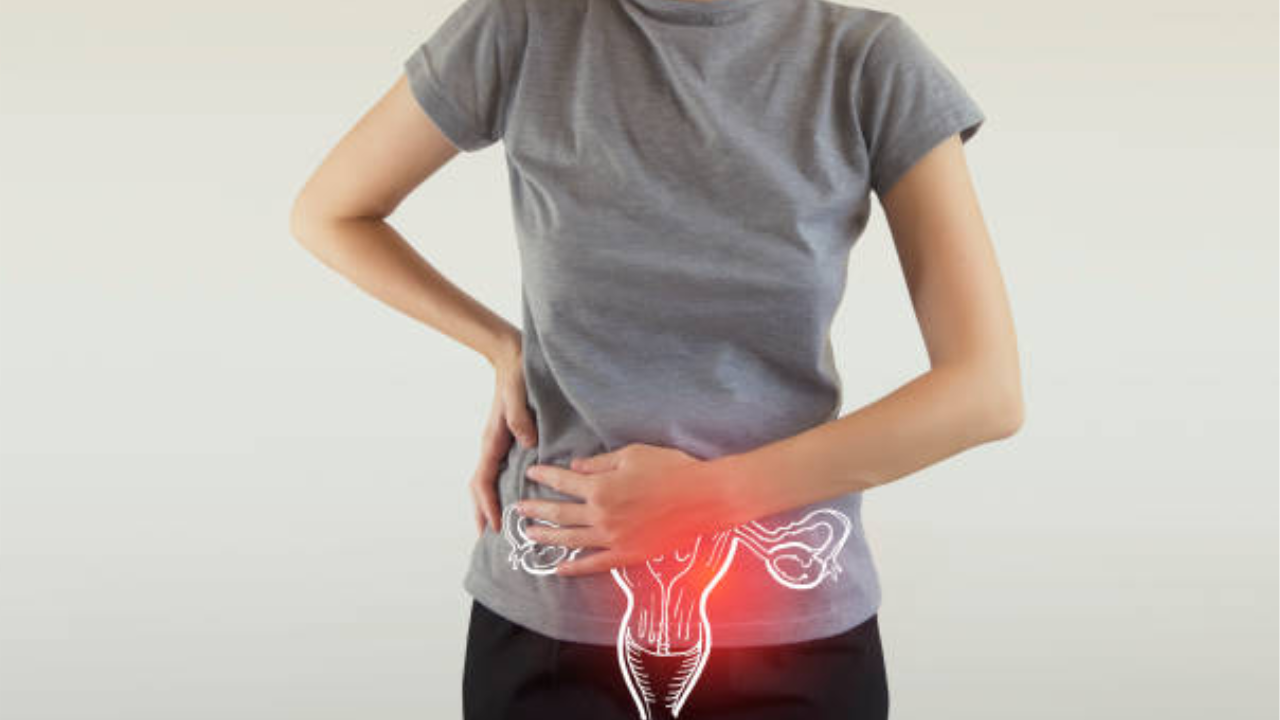
Cervical cancer is one of the leading malignancies in developing countries including India. cervical cancer ranks as 3rd most common gynecological neoplasm in the United States, after uterine and ovarian cancers. In developing countries, where healthcare resources are limited, cervical cancer is the 2nd most common cause of cancer deaths in women.

Invasive cancer of the cervix is considered a preventable disease because it has a long pre-invasive state, cervical cytology screening programs are available, and the treatment of preinvasive lesions is effective. The mean age of cervical cancer is 47 years, and the distribution of cases is bimodal, with peak at 35-39 years and 60-64 yrs of age.

Squamous cell carcinomas usually arise from the squamocolumnar junction of the cervix and is preceded by precancerous stages CIN I, CIN II, CIN III .

Cervical cancer risk factors

Infection with high-risk HPV(16,18,31,33)Infection with HSV, ChlamydiaYoung age at 1st intercourseMultiple sexual partnersHigh ParityLow socioeconomic statusImmunosuppressed individualsSmoking.Dietary deficiency of VIT- C, E, Folic acid.

Screening of cervical carcinoma

Screening methods for cervical cancer include

PAP smear(conventional/LBC)Visual Inspection with acetic acid (VIA)Visual inspection with Lugol’s iodine (VILI)HPV testing.

Prevention of cervical cancer

HPV Vaccines: HPV vaccine has been developed from the capsid coat of the virus . It has high immunogenicity. It includesBivalent vaccine (cervarix)- against HPV 16,18Quadrivalent vaccine (Gardasil)- against HPV 6,11,16,18Nonavalent vaccine (Gardasil9)- against HPV 6,11,16,18,31,33,45,52,58.

The bivalent HPV vaccine (at least one dose) among young women who were previously uninfected has efficacy of 91-100% against 16,18 strains .

The nonavalent HPV vaccine efficacy in preventive persistent infection was 95.8%.

Vaccines are given ideally to girls aged 9-13yrs . The impact of vaccines is greatest when it is given to females who are not already infected. This is the reason it is recommended to adolescent girls.

Vaccine schedule

Female <15yrs – 2 doses (0,6months)Female >15yrs -3 doses (0,1,6months)

Prevention of HPV infection

Behavioural interventions: Delaying sex until cervical epithelium has attained physiological maturity.Limiting number of sexual partners and number of childrenTo maintain local hygiene and to treat vaginal infectionsReducing or quitting smoking.

(Author: Dr. Sarada M, Consultant Obstetrician & Gynaecologist, Yashoda Hospitals, Hyderabad)

Sign up to read this article
Read news from 100’s of titles, curated specifically for you.
Already a member? Sign in here
Related Stories
Top stories on inkl right now
One subscription that gives you access to news from hundreds of sites
Already a member? Sign in here
Our Picks
Fourteen days free
Download the app
One app. One membership.
100+ trusted global sources.







