World leaders will gather at the United Nations on Sept. 22-23, 2024, where they are set to adopt the Pact for the Future – an ambitious plan for how to best reform the U.N., and other institutions, to address the current problems of the world and protect future generations.
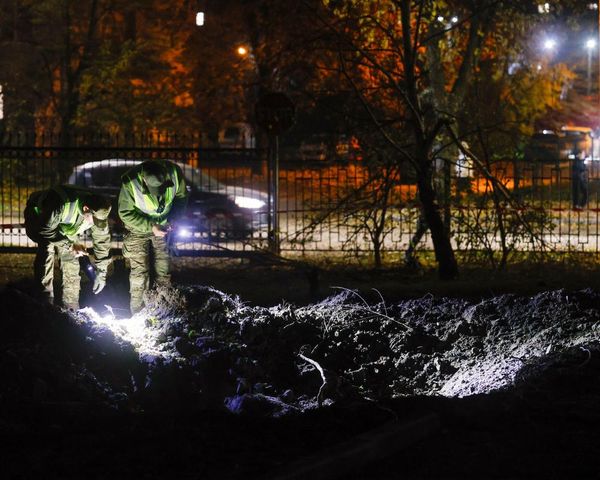
It couldn’t come at a more pressing time. As presidents, prime ministers and top diplomats prepare to meet in New York, mass atrocities – genocide, war crimes, crimes against humanity and ethnic cleansing – are taking place or alleged in several countries around the world.
The pact and an accompanying Summit of the Future serve as an opportunity for the U.N. to make structural changes that will better empower the international body to prevent and respond to such crimes and protect populations under threat. As U.N. Secretary-General António Guterres noted, the summit is a “once-in-a-generation opportunity to reinvigorate global action, recommit to fundamental principles, and further develop the frameworks of multilateralism so they are fit for the future.”