A recent report by the United Nations Development Program has shed light on the diverging paths of countries in terms of development in the wake of the COVID-19 pandemic. While many nations are showing signs of recovery, a significant number of the world's poorest countries are experiencing deteriorating conditions, signaling a widening gap between rich and poor nations.
The Human Development Index, a key metric used to measure overall development, is projected to reach record highs in 2023 after facing steep declines during the pandemic years of 2020 and 2021. However, the report highlights that half of the world's poorest countries are still lagging behind their pre-pandemic levels from 2019.
The report underscores the concerning trend of growing inequalities, exacerbated by the concentration of economic wealth in a few countries. It points out that nearly 40% of global trade in goods is controlled by just three countries, while the combined stock market value of tech giants like Amazon, Apple, and Microsoft surpasses the GDP of over 90% of U.N. member nations.
U.N. officials emphasize the urgent need for global cooperation to address pressing challenges such as climate change, future pandemics, and the rise of digital technologies. However, the report warns of increasing division and polarization, fueled in part by the emergence of populism that undermines international cooperation.
The report also highlights a concerning 'democracy paradox,' where while a vast majority of people worldwide support democracy, there is a growing trend of backing leaders who pose a threat to democratic principles.
To address these issues, the report calls for increased investment in global public goods, such as climate stabilization efforts, technological advancements for human development, and reforms in the global financial system to benefit low-income countries.
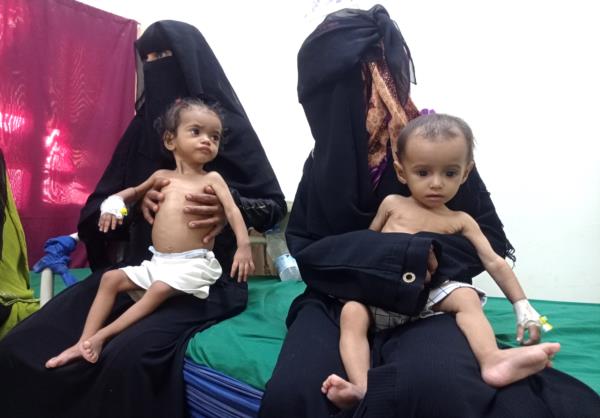
Based on the latest data, the countries with the highest human development scores include Switzerland, Norway, Iceland, and Hong Kong, while nations like Sierra Leone, Burkina Faso, and Yemen rank lowest on the index.
The report serves as a stark reminder of the need for concerted global action to bridge the development gap and tackle the complex challenges facing humanity in the 21st century.