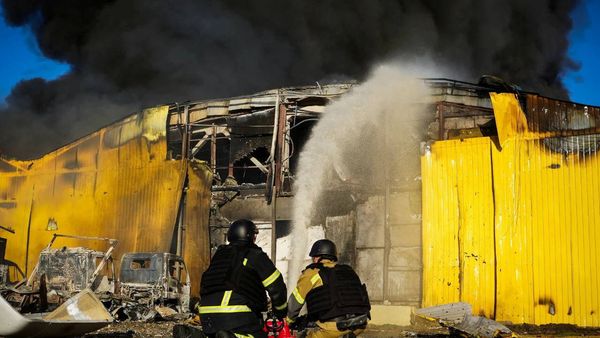
The United Nations has reported that the destruction of housing in Gaza due to the recent conflict with Israel is unparalleled since World War II. The assessment indicates that if the conflict were to end today, it would take until 2040 to restore the homes devastated by Israel's bombing and ground offensive. The social and economic impact of the war has been escalating rapidly, with casualties amounting to 5% of Gaza's 2.3 million population.
By mid-April, over 33,000 Palestinians had been killed, more than 80,000 injured, and approximately 7,000 individuals remain missing, with most believed to be buried under the rubble. The war has led to the loss of 201,000 jobs since its inception, causing an 81% contraction in the economy during the last quarter of 2023.
The report highlights that nearly $50 billion in investments in Gaza have been wiped out, plunging 1.8 million Palestinians into poverty. Gaza, under blockade by Israel and Egypt since 2007, faced high unemployment rates even before the conflict, with figures reaching nearly 63% among younger workers.
The UNDP report underscores the severe setbacks in Gaza's human development index, pushing it back more than 20 years. The productive sectors of the economy have been decimated, with losses exceeding 90%, and the GDP of Gaza is projected to decline by 51% in 2024.
At least 370,000 housing units in Gaza have been damaged, including 79,000 completely destroyed. Rebuilding efforts face significant challenges, with estimates suggesting it would take until 2040 to reconstruct the destroyed houses, even with a five-fold increase in construction material allowed into Gaza.
The preliminary cost estimate for an early recovery program spanning three years is between $2 billion and $3 billion, while the overall reconstruction of Gaza is projected to require between $40 billion and $50 billion. The focus currently lies on planning for early recovery, with efforts underway to develop a unified framework led by the Palestinian people.