You open a packet of chips and you tell yourself that you will eat a few but in 10 minutes it is all finished and you were not even that hungry but you were craving it. Is this situation familiar to you? This situation is experienced by most of us whether it is about small children or adults, late night munching is now a habit for everyone and instead of eating healthy you just crave packet processed food.
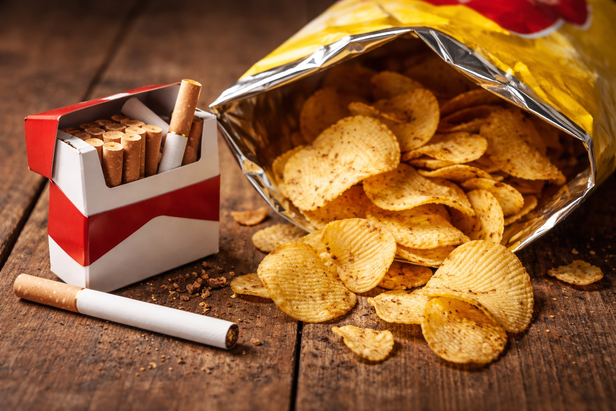
Scientists are now raising an important question: are ultra-processed foods designed in ways that make them hard to resist almost like cigarettes once were?
When convenience costs your long-term health What Exactly Are Ultra-Processed Foods?
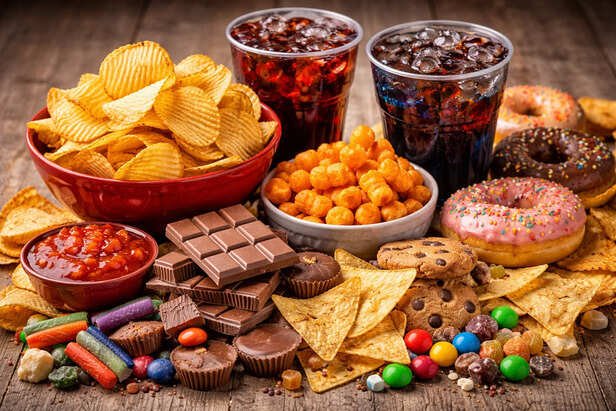
Ultra-Processed Foods are factory made products which are not made from real food products. They are usually made of unhealthy sugar, fats and oil which makes their shelf life extra. hink chips, sugary cereals, instant noodles, soft drinks, frozen meals, and many fast-food options.They’re made to be cheap, quick, and very tasty. That strong taste isn’t by chance. Companies carefully balance sugar, fat, and salt to make the food so satisfying that it’s hard to stop eating.
Why Do They Feel So Hard to Stop Eating?
Fast food culture and health risks grow
Ultra processed foods can light up the brain reward center, the part where that makes us feel more pressure. When we eat them, the brain releases dopamine, a chemical that makes us feel good and encourages us to repeat the experience.The faster and stronger this reaction is, the more likely we are to crave it again. Cigarettes trigger this response through nicotine. Ultra-processed foods do something similar by delivering quick hits of sugar and refined carbs that the body absorbs very fast, making us want more.
Many people report patterns such as
Strong cravings
Eating more than intended
Repeated failed attempts to cut back
Irritability or low mood when trying to reduce intake
This does not mean that the food addiction is exactly like the drug and nicotine, but the pattern like strong craving and not being able to resist it.
Is It Really Comparable to Tobacco?
No one is claiming that chips or packaged food contain nicotine. The comparison is about patterns and public health impact.In the past, tobacco companies designed cigarettes to deliver nicotine in a way that kept people coming back for more. In a similar way, today’s food companies create products that taste great, last longer on shelves, and make you want to buy them again.
Both industries have used the same marketing strategy that's why it has become the daily needs of people's lives . And in both cases, the health impact has been serious. Smoking led to major health crises, and consuming ultra-processed foods are now linked to obesity, diabetes, and heart disease. The comparison isn’t really about what’s inside them. It’s about how they’re designed, how easily available they are, and how they affect public health on a large scale.
What Can You Do?
How junk food triggers the brain’s reward
This is not about avoiding snacks or living in fear. It’s about balance and awareness.
Small shifts can make a difference:
Choose whole foods more often fruits, vegetables, legumes, nuts, whole grains
Cook simple meals at home when possible
Read ingredient lists shorter is usually better
Notice patterns of emotional or habitual eating
The goal isn’t perfection. It’s regaining control in a food landscape designed to take it away.