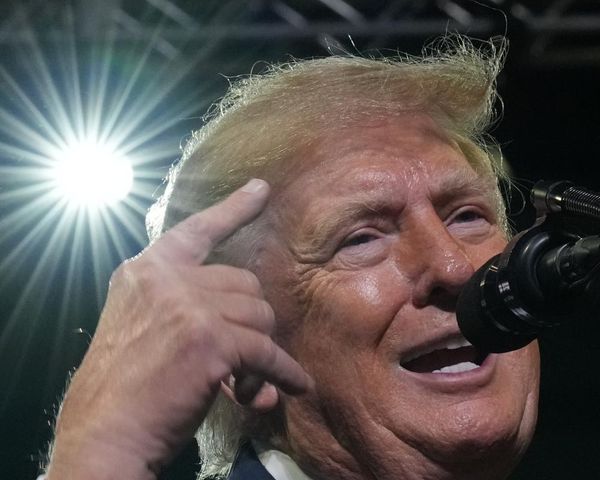
Volodymyr Zelenskyy has hinted that a new June deadline from the US for peace between Ukraine and Russia could be linked to Trump’s midterm elections campaign. The Ukrainian president on Saturday told reporters that both sides had been invited to further talks next week. Zelenskyy said the Trump administration “will probably put pressure” on Ukraine and Russia to end the war by the beginning of the summer. “They say they want to get everything done by June,” he said. He told reporters the Trump administration was proposing to host the next round of trilateral talks in the US, probably in Miami, in a week’s time. “We confirmed our participation,” he said. “The [midterm] elections are definitely more important for them [the Americans]. Let’s not be naive.” He added: “If the Russians are really ready to end the war, then it is really important to set a deadline.”
US and Ukrainian negotiators had discussed how to secure a quick deal, according to sources familiar with the matter quoted by Reuters. Ukraine had suggested a sequencing plan, Zelenskyy said, but he provided no specific details.
The Ukrainian president has also criticised Russia for an overnight attack on Ukrainian energy facilities areas, saying in comments posted on X that Moscow must be deprived of the ability to use the cold winter weather as leverage against Kyiv. A “massive attack” by Russian forces on Ukraine’s energy infrastructure on Saturday caused power outages across the country, the state grid operator said.
There are clear signs the Russian economy is finally running aground, as the Kremlin faces its most precarious economic position since its tanks first rolled into Ukraine. Growth has slowed to a crawl amid falling oil prices – a key source of government revenue. Russians face tax hikes while funding for welfare, education and healthcare is being crowded out by defence spending. Trade with key allies has become more muted, corporate bankruptcies are rising and labour shortages are severe. Experts say how the malaise affects the conflict in Ukraine will depend on Russia’s recent macroeconomic manoeuvres, and whether global events continue to drive down oil prices.
The UK is threatening to seize a Russia-linked shadow fleet tanker in an escalatory move that could lead to the opening up of a new front against Moscow at a time when the country’s oil revenues are tumbling. British defence sources confirmed that military options to capture a rogue ship had been identified in discussions involving Nato allies – although a month has gone by since the US-led seizure of a Russian tanker in the Atlantic. In January, 23 shadow fleet ships using false or fraudulent flags were spotted in the Channel or Baltic Sea, according to Lloyd’s List Intelligence. Many are linked to the export of Russian oil, largely by water to China, India and Turkey.
President Donald Trump has taken what some experts have said is an unusual step of tapping military leaders for high-level diplomacy, positioning the Army secretary as a key negotiator on ending the Russia-Ukraine war and sending the top US commander in the Middle East, Adm. Brad Cooper, to talks about Iran’s nuclear program. As Army secretary Dan Driscoll reprised his role at Russia-Ukraine talks this week, he worked to keep the conversation going with Ukrainian officials in the downtime between sessions, according to a person familiar with the negotiations who spoke on condition of anonymity to discuss the sensitive talks.