Chronic issues such as climate change, rising inequality and poor farming policies have left the UK’s food system as a “tinderbox” for social unrest, researchers said.
A group of food experts found our food system has been left dangerously exposed, before analysing the triggers that could tip this system into “widespread fear of unsafe or inadequate food, leading to violence”.
Of these acute triggers, the three that ranked highest were extreme weather events, a cyber-attack or a major new international conflict, such as what Europe has seen with the war in Ukraine.
The analysis, which was published in the journal Sustainability, was produced through consultations with more than 30 food system experts, and calls for more coordinated action by government and businesses.
It noted that global food production is also concentrated in several large “bread baskets” such as the US, Brazil and Russia, and that there is an increased risk of disruption if any of those areas lose the ability to produce and transport food.

It read: “The stability of the UK’s food system is a critical aspect of national security, yet it remains vulnerable to threats that could precipitate a crisis.
“Despite living in a high-income country with sophisticated food supply chains, people in the UK are not immune to disruptions that can lead to severe consequences, such as food insecurity, malnutrition and even civil unrest.
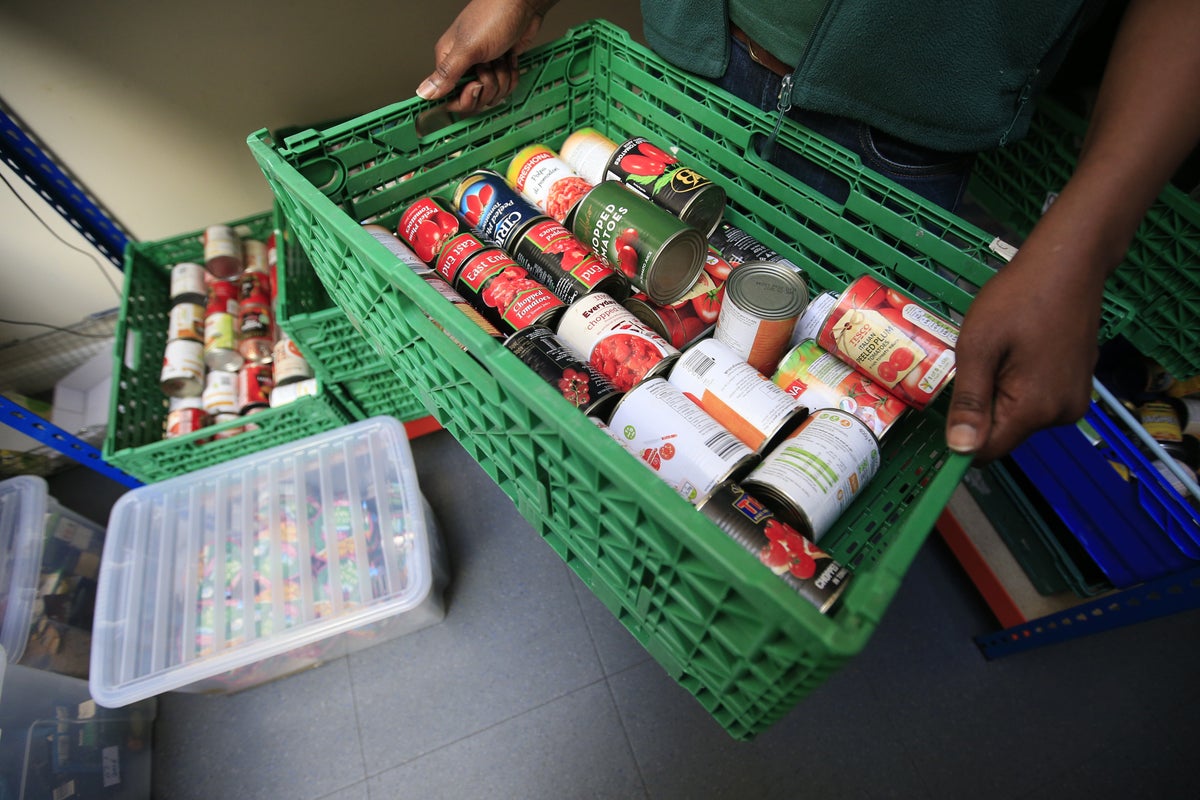
“Indeed, the UK has seen a tenfold increase in the number of people requiring emergency food parcels over a 10-year period, while Brexit had significant impacts on the UK’s food supply chains.”
A recent report found that 18 per cent of households with children have experienced food insecurity in the past month, and nine per cent have not had balanced meals due to food insecurity.
“The stability of the UK’s food system is a critical aspect of national security,” said Prof Sarah Bridle, at the University of York, who led the analysis. “While we can’t always prevent future shocks, we can build resilience to withstand them, and stop a bad situation from becoming a crisis. Understanding how the system might react to extreme pressure is the first step to preventing worst-case scenarios unfolding in the future.”
Of these major triggers, some had already happened to a certain scale, such as the 2025 cyber attacks on Marks & Spencer and the Co-op.
An extreme weather event in the UK, such as severe flooding, could also lead to crop failure and impact the workforce, while an international weather event could lead to increased food prices and shortages.
The report also noted: “A UK food system crisis could arise from hunger and resulting feelings of despair when coupled with a lack of trust in government.”
The first signals of food shortages can lead to panic buying, creating further shortages, which leads to increased panic buying due to visibly empty shelves.
Situations like this can then lead to an increased black market in stolen food and unsafe food practices, before “crime and violence to obtain food could ensue”.
Recommendations include a national forum to prepare for such events, as well as a new UK shipping route to improve physical infrastructure. Other interventions include cash transfers to the poorest people in an emergency and increasing the diversity of UK diets.
Supreme Court agrees to hear consequential climate change case
Suspected rapist leaves country after being accidentally set free weeks before trial
‘Nothing is off the table’ in response to Trump tariff threats, Downing Street says
How Farage’s plan for legal migration could put thousands at risk of deportation
Experts find cats are not emotionally dependent on their owners
Man United defender Leny Yoro slapped with six-month driving ban