Get all your news in one place.
100’s of premium titles.
One app.
Start reading
Fortune
Fortune
Diane Brady, Claire Zillman

U.S. war with Iran forces CEOs to prepare for the worst—from rising energy prices to cyber attacks

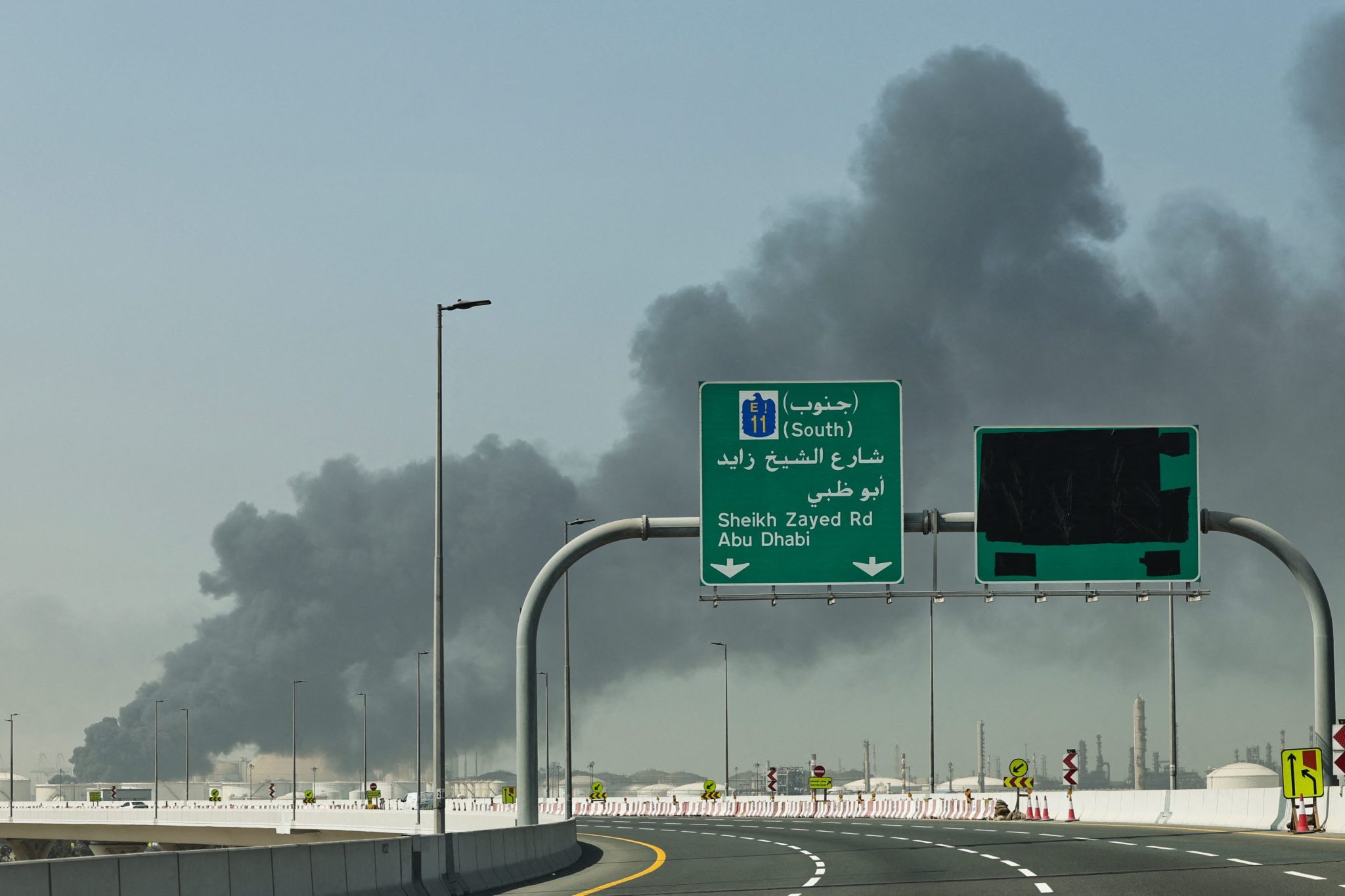
(Credit: Fadel SENNA—AFP via Getty Images)
  • In today’s CEO Daily: Diane Brady on the Iran war’s immediate aftershocks for business leaders.
  • The big leadership story: The Iranian conflict wreaks havoc in the Middle East’s financial hubs.
  • The markets: Down as investors come to grips with another Gulf war.
  • Plus: All the news and watercooler chat from Fortune.

Good morning. It’s hard to predict the future scope and scale of the U.S.-Israeli attacks on Iran, which began this weekend. The conflict quickly spread to Dubai, Doha, and other parts of the Persian Gulf, and business leaders are preparing for the worst. That means stress-testing contingency plans, communicating with stakeholders, checking supply-chain risk and all the other things that should be second nature to any global operator in a crisis. Some potential impacts for U.S. firms:

Energy Prices – Brent crude prices rose 10% yesterday to around $80 a barrel. If Iran closes off the Strait of Hormuz, where a fifth of the world’s oil passes, mostly bound for Asia, that price could hit $100. And crude remains a key driver of prices at the pump, with the U.S. Energy Information Administration calculating that a $10 increase in crude prices roughly translates to an additional 25 cents per gallon. Cheaper gas has been one area of relief for Americans struggling with a rising cost of living from tariffs, housing and sluggish wage growth

Security – Iran, already a major source of state-sponsored cyberattacks, is likely to ramp up activity so it’s a good time to review protocols with staff. We’re already seeing signs of cyberwarfare as millions of Iranians got a message on the BadeSaba Calendar app on Saturday, saying help had arrived, with cyber operatives from Iran subsequently shutting down gas stations in Jordan. But physical security is also a top priority. One CEO told me this weekend that he thinks the safest city for expat business leaders in the Middle East right now is Riyadh—the Saudi capital’s airport is still open, though many flights have been cancelled, and it has a much larger military arsenal than neighbors like the United Arab Emirates. Still, he said, U.S. companies are likely to pause travel, expansion and investment plans until fears of a broader conflict are resolved.

Brand America – Bombs have an immediate impact on tourism and trade. In any major conflict, the classic investor reaction is to bid up defense stocks like Lockheed Martin and Northrop Grumman while selling off airlines, hotels, cruise operators and others that might suffer as regional travel is curbed and skittish travelers stay home. In the Gulf wars of 1991 and 2003, international travel to and from the U.S. took a hit and then recovered fairly quickly. But this conflict could accelerate worrying trends; travel to the U.S. dropped 6% last year as global tourism was booming. Ditto for the U.S. dollar. War is likely to boost the dollar’s short-term value as a reserve currency but may accelerate its longer-term decline amid economic concerns and other countries’ desire to reduce their dependence on the currency of a hostile and increasingly rogue trading partner.

Contact CEO Daily via Diane Brady at diane.brady@fortune.com

Sign up to read this article
Read news from 100’s of titles, curated specifically for you.
Already a member? Sign in here
Related Stories
Top stories on inkl right now
One subscription that gives you access to news from hundreds of sites
Already a member? Sign in here
Our Picks
Fourteen days free
Download the app
One app. One membership.
100+ trusted global sources.