U.S. Supreme Court justices on Tuesday grappled with thorny questions of sovereign immunity as they weighed a bid by Turkey's state-owned lender Halkbank to avoid criminal charges in the United States for allegedly helping Iran evade American economic sanctions. The nine justices heard arguments in Halkbank's appeal of a lower court's ruling in favor of the U.S. government that allowed the prosecution of the bank to proceed.
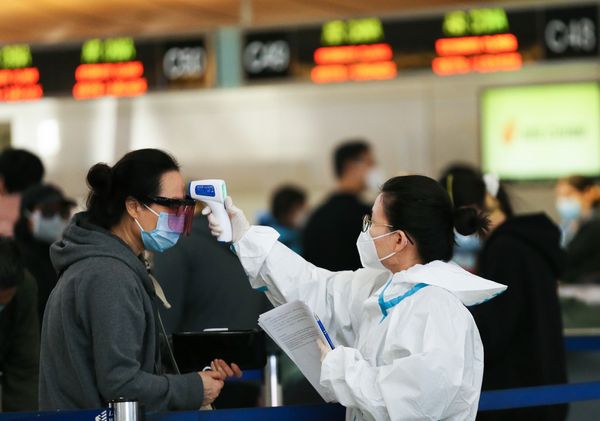
The case tests Halkbank's contention that it is shielded from prosecution because, as an entity majority owned by the Turkish government, it should enjoy the same legal protections as Turkey. Sovereign immunity generally protects countries from facing legal action in another country's courts. The justices raised numerous concerns about curbing the U.S. government executive branch's authority to make decisions involving national security, as well as the potential consequences of criminally prosecuting one of a foreign government's entities. Conservative Justice Brett Kavanaugh said it would be "pretty bizarre" and "huge" for the court to tell a U.S. president that "this court is going to prohibit your exercise of national security authority." Halkbank, charged in New York in 2019, has pleaded not guilty to bank fraud, money laundering and conspiracy charges over its alleged use of money servicers and front companies in Iran, Turkey and the United Arab Emirates to evade U.S. sanctions. Conservative Justice Neil Gorsuch raised concerns that allowing the federal prosecution to proceed might open the door to U.S. states targeting foreign nations as well. States, Gorsuch said, could be "free to try to bring lawsuits against Mexico for this or that, or perhaps China because of COVID, or who knows what a creative state prosecutor might come up with?" Liberal Justice Sonia Sotomayor cautioned against giving federal or state prosecutors "the right to insult another nation by giving them this unbridled power to initiate suits."