Federal officials investigated labor unions, environmental activists and socialist organizations during the Trump administration's immigration crackdown in Minnesota, using financial subpoenas, undercover surveillance and monitoring of encrypted group chats, according to newly released government documents reviewed by The New York Times.
The Homeland Security Department investigation began four days after Border Patrol agents fatally shot Alex Pretti, a 37-year-old government nurse who had been filming immigration officers.
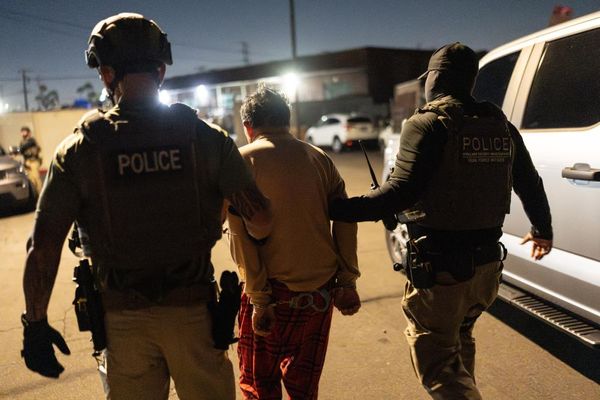
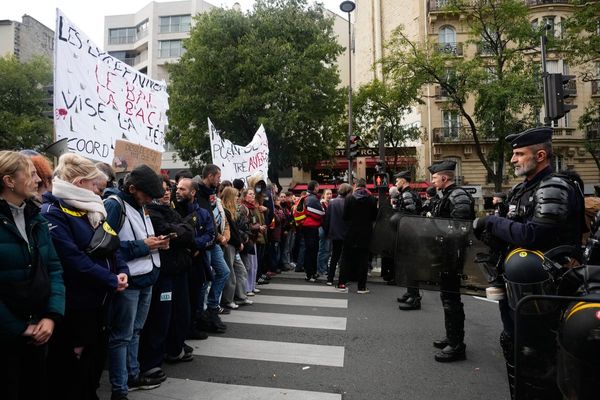
Rather than focusing on the agents involved, investigators examined whether left-leaning organizations had provided financial or logistical support to protesters described internally as "violent opportunists and agitators," The New York Times reveals.
Officials obtained more than three years of financial records from the Sunrise Movement and the Communications Workers of America and reviewed years of wire transfers involving the Service Employees International Union as part of what investigators called an inquiry into "domestic terrorist financing."
Undercover agents also attended meetings in churches, libraries, parks and online, recorded participants' names and license plates and entered Signal chats where activists discussed protests and political views.
None of the organizations investigated have been charged. However, prosecutors presented a grand jury with a slide identifying 18 groups, including the AFL-CIO, local unions and the Democratic Socialists of America, as part of an alleged conspiracy to obstruct immigration enforcement.
The investigation ultimately contributed to the June indictment of 15 people accused of conspiring to impede or injure federal officers. Prosecutors said defendants associated with Direct Action Minnesota and the Black Cat Worker's Collective organized blockades, monitored immigration agents and, in some cases, engaged in obstructive or violent conduct. No officers were alleged to have been injured.
The charges came after the U.S. attorney's office had dropped 18 of 36 earlier cases related to Minnesota's immigration crackdown, The Guardian reported in June.
The Minnesota inquiry was carried out under National Security Presidential Memorandum 7, a Trump directive instructing federal agencies to target what the administration describes as organized left-wing political violence.
The policy has since expanded beyond Minnesota, with federal counterterrorism resources increasingly directed toward left-wing movements and, in July, an international summit organized by the administration around what it calls "radical left terrorism."
Civil rights lawyers and former prosecutors have questioned whether the Minnesota investigation blurred the distinction between criminal conduct and constitutionally protected political activity.
"An investigation should begin with a legitimate basis to suspect criminal conduct, not with a chosen institution or group," former federal prosecutor Harry Jacobs told The Times.