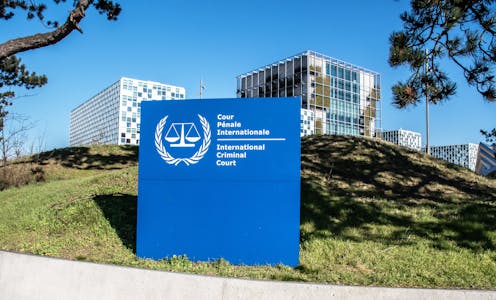
When the International Criminal Court began operating 20 years ago this month, its existence reflected a unique historical and political epoch. Buoyed by the successful creation of war-crimes tribunals for the former Yugoslavia and Rwanda, delegates to the conference in Rome that created the court were optimistic for the future of international law.
They believed the new post–cold war political order could be underpinned by widely observed international laws and a form of global justice that wasn’t decided by powerful states.