
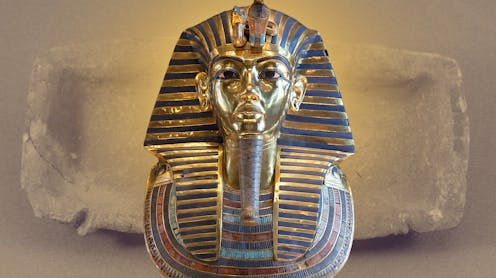
More than 100 years after the discovery of the tomb of Tutankhamun in the Valley of the Kings, new interpretations of the burial are still emerging. A recent article published in the Journal of Egyptian Archaeology proposes that a set of seemingly plain, functional objects are in fact a key part of the complex rituals which would ensure the transformation and regeneration of the young king in the afterlife.
Tutankhamun inherited a throne tainted by the shifts in religious and political practices implemented by his father, Akhenaten. His reign had been hallmarked by the move from the capital city of Thebes to a new city, Akhetaten (“the horizon of the Aten”).












