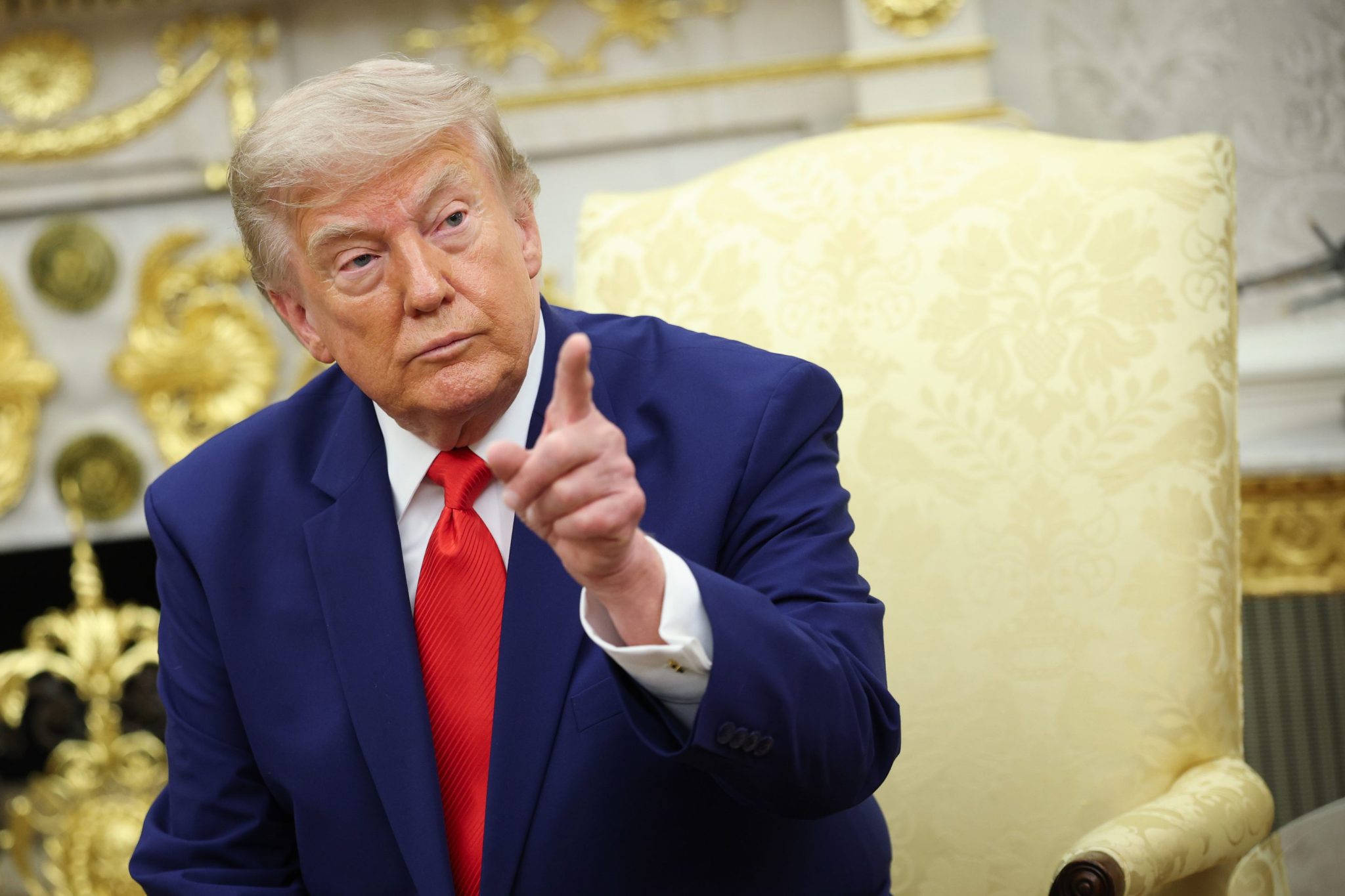
Trade representative Jamieson Greer, at the direction of President Trump, announced yesterday that the U.S. would be imposing tariffs on 60 nations claiming they are producing goods using forced labor.
The new tariffs, enforced under Section 301 of the Trade Act, will levy between 10% and 12.5% on imports from certain countries, with the likes of Canada, Mexico, and the United Kingdom facing the lower rate, while products from Japan, the European Union, and Korea will be capped at 12.5%.
These tariffs will replace the temporary measures brought in after the Supreme Court ruled in February that President Trump could not use the International Emergency Economic Powers Act (IEEPA) to enforce duties on trading partners—the administration was ordered to pay back the revenues generated, some $175 billion according to estimates.
The White House had previously suggested that tariff revenues, among other things, would contribute toward rebalancing the nation’s budget deficit and may even contribute to paying down the country’s $39 trillion national debt.