Get all your news in one place.
100's of premium titles.
One app.
Start reading
The Economic Times
The Economic Times

Trump weighs fresh Iran strikes as US sends 9,000 more troops to Middle East

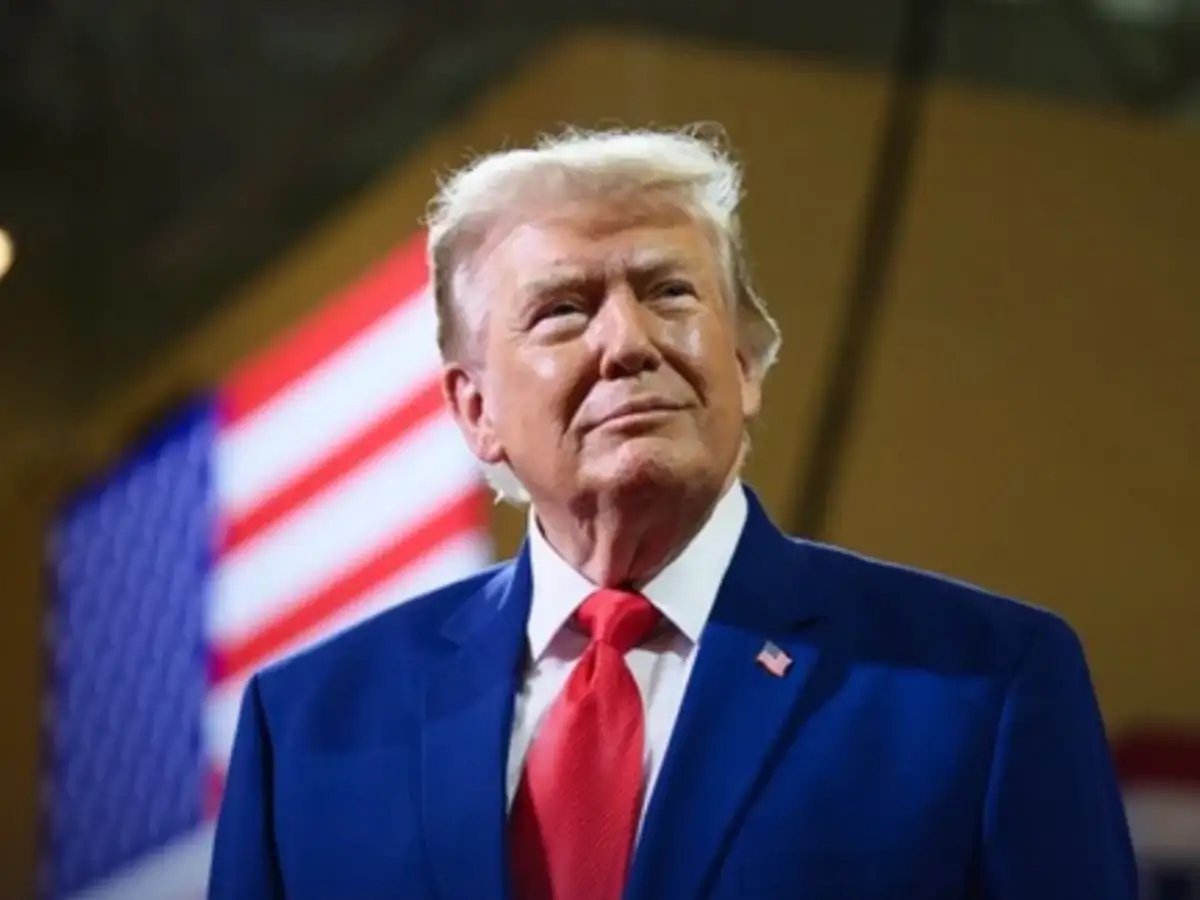
The US military is sending around 9,000 more troops to the Middle East aboard a group of ships, a US official said Thursday, with President Donald Trump again raising the possibility of fresh strikes against Iran.

This time, the buildup includes a third aircraft carrier and comes at a time when the war is entering a more uncertain phase.
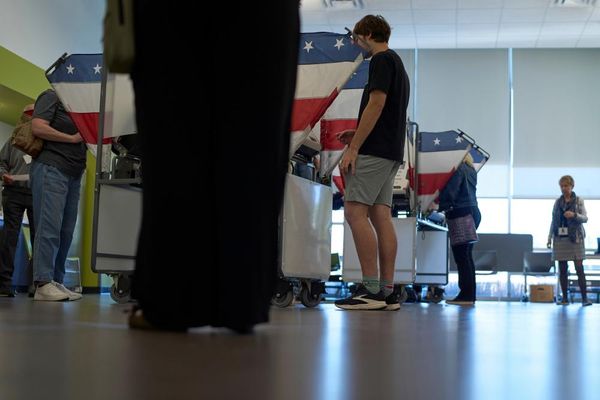
Trump is still weighing what comes next. The US midterm elections are only weeks away, the conflict has already lasted longer than he initially suggested, and there are signs that Iran may be changing the way it responds.

Trump has said a fresh escalation after the Nov. 3 elections remains possible, even though he had earlier told Americans that the campaign would last only a matter of weeks.

Then came another complication.

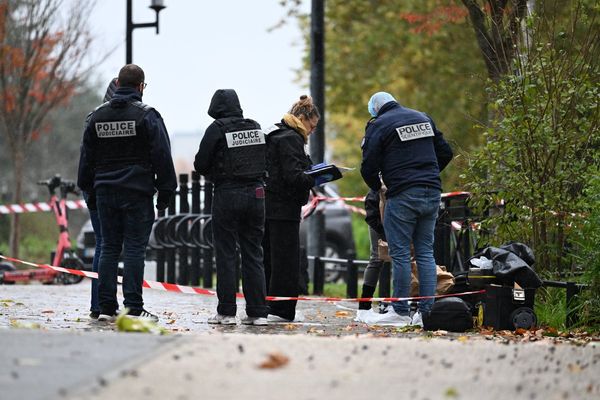
Trump told reporters Thursday that early indications suggest Iran may be linked to the FlyDubai co-pilot who stabbed his captain and tried to crash an Israel-bound flight on Wednesday.

Asked at the White House whether there was any connection between the pilot behind the attack and Tehran, Trump said the investigation was still underway.

“I would say the answer, based on what I'm hearing, is yes,' but we're working on it right now,” Trump said, without offering details.

He also made clear that the US would respond if a link to Iran was established.

Israeli Prime Minister Benjamin Netanyahu claimed in a Fox News interview earlier Thursday that investigators believe the FlyDubai suspect underwent “Islamist, radical indoctrination” but did not provide further details.

Trump’s warning was blunt.

“Oh, they'll be hit very hard, don't worry," Trump said. “You just ask them. They know what happened. They'll be hit very hard.”

Thousands of US sailors and Marines head to the Middle East

The ships now heading to the region are carrying more than 7,000 sailors and 2,000 Marines.

The group includes the USS Theodore Roosevelt carrier strike group, which recently deployed with the cruiser USS Chosin, as well as the USS Makin Island amphibious readiness group. The latter includes the USS John P. Murtha and USS Anchorage amphibious landing ships.

If the deployment goes ahead as planned, the US could have three aircraft carriers in the region by the end of October, according to the official, who spoke to The Associated Press on condition of anonymity to discuss sensitive military operations.

That would be an unusually large American naval presence.

With forces already stationed in the Middle East, the latest movement would take the number of US sailors and Marines in the region to more than 20,000, along with hundreds of aircraft.

The Navy last had three carrier strike groups in the Middle East in April, the first time since 2003.

The USS George HW Bush and USS George Washington are already in the region, along with the USS Boxer amphibious readiness group.

The Washington is normally deployed in the Pacific Ocean, but it was moved to the Middle East to replace the USS Abraham Lincoln after a long deployment that left its crew at sea for more than 260 days straight.

Trump explains why he rejected Iran's latest truce proposal

Trump also spoke about the possibility of more strikes in a Time magazine interview published Thursday.

Asked about what could happen after the elections, he said it is “possible” that the US will ramp up bombing in Iran after Nov. 3.

He stopped did not mention where or how.

“I can't tell you that because look, you know, you're asking, where are you going to bomb?” Trump said.

In the interview, conducted Monday, Trump also explained why he turned down Iran's latest ceasefire proposal.

“Things that I wouldn't have approved a year ago I wouldn't have today.”

He pointed to Iran's offer to “open up" the Strait of Hormuz, one of the world's most important energy shipping routes, but said the broader proposal was “not good enough.”

The war is getting more complicated

The conflict is also becoming harder to separate from domestic politics.

Asked whether the increasingly unpopular war could hurt Republicans in November, Trump first said, “It's possible.”

Then he argued that it could also work in the party’s favour.

“It should help, because Iran will not have a nuclear weapon.”

Trump said “100 per cent of the people” oppose Iran having nuclear attack capabilities “including worldwide.”

“So, when you say it that way, it would help,” Trump added. “If you don't say that, it could hurt.”

But the concern in Washington is not just about what happens on the battlefield.

There is growing worry that Tehran may be turning to asymmetrical tactics after the FlyDubai attack and another suspicious incident in the UK.

That possibility comes just as the US appears to be making progress in loosening Iran's grip over the Strait of Hormuz and helping Gulf allies get their oil to market.

At the same time, a US Navy blockade is shutting down Iran's own oil exports.

For Washington, that means the conflict is becoming harder to read. The US is building up forces in the region, Trump is keeping the option of fresh strikes open, and officials are now watching closely for signs that Iran may respond in less conventional ways.

Sign up to read this article
Read news from 100's of titles, curated specifically for you.
Already a member? Sign in here
Related Stories
Top stories on inkl right now
One subscription that gives you access to news from hundreds of sites
Already a member? Sign in here
Our Picks
Fourteen days free
Download the app
One app. One membership.
100+ trusted global sources.