Get all your news in one place.
100's of premium titles.
One app.
Start reading
The Economic Times
The Economic Times

Trump says Israel has Iran MoU copy as deal nears; calls Iranians ‘tough negotiators’

US President Donald Trump said Israel has received a copy of the proposed memorandum of understanding (MoU) with Iran and expressed confidence that a broader agreement would be signed soon, while announcing immediate technical talks on Tehran's nuclear stockpiles and warning of renewed military action if the deal is breached.

Speaking at the G7 summit in France, Trump said the United States had shared a copy of the proposed MoU with Israel and was optimistic that a broader agreement with Iran would be finalised shortly.
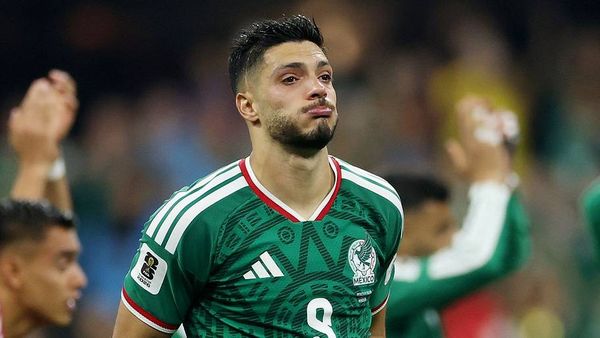
"We will most likely sign a deal," Trump said, adding that "technical discussions on nuclear stockpiles will begin immediately" as negotiations move into a more detailed phase.

Trump described the proposed arrangement as a detailed memorandum that could eventually evolve into a formal agreement. He repeatedly praised Iranian negotiators, calling them "smart people" and "very good negotiators", while arguing that sustained military pressure had pushed Tehran to the negotiating table.

The US president also issued a stark warning to Iran, saying Washington could resume military strikes if Tehran failed to comply with either the written provisions of the agreement or broader understandings reached during negotiations.

"If they don't honor the agreement... we'll probably go back to bombing them until they honor it," Trump said. "It's amazing what bombs can do."

Trump defended recent US military operations against Iran, claiming they had significantly degraded the country's capabilities and altered the strategic balance in the region.

"If we didn't blow them up the first time and then blow out those weapons, they would have been unstoppable," he said.

The president suggested Iran faced a long road to recovery from the conflict, claiming the country had suffered immense damage. He said reconstruction and renewed foreign investment would depend on Tehran's conduct going forward.

"They have to behave themselves. If they're not behaving, they get hit again," Trump said, adding that rebuilding Iran's military infrastructure would take years.

Trump stressed that the United States would not provide reconstruction funding to Iran, saying any future investment would come from private investors or regional countries and only if Tehran acted as a "reasonable citizen of the world."

At the same time, he outlined a parallel diplomatic track involving Gulf nations to address issues beyond the nuclear file, including ballistic missiles and Iran-backed proxy groups operating across the Middle East.

"We'll be working on a parallel effort with the Gulf nations to address non-nuclear issues," Trump said, adding that discussions would focus on conventional missile capabilities and militant organisations backed by Tehran.

The US president identified Lebanon and Hezbollah as key unresolved issues, arguing that any durable regional settlement would require addressing the Iran-backed Lebanese group.

Trump said he hoped the Iran agreement would become the foundation for a broader Middle East understanding that could reduce regional tensions and curb what he described as Iranian-backed aggression.

"The big deal is the Iran deal," he said, while adding that Hezbollah remained an issue that would have to be addressed "one way or the other."

Trump also pointed to signs of economic normalisation following the ceasefire, saying maritime traffic through the Strait of Hormuz had increased substantially and predicting that global energy flows would soon return to normal.

In a notable diplomatic aside, Trump thanked Chinese President Xi Jinping and Russian President Vladimir Putin for remaining "neutral" during the conflict. He said he had personally urged Beijing not to supply certain weapons systems to Iran and credited both countries with avoiding steps that could have complicated the crisis.

The president also indicated that frozen Iranian assets could eventually be released, arguing that returning money belonging to foreign governments was necessary to preserve confidence in the US dollar and the global financial system.

The remarks offered the clearest picture yet of Trump's vision for a post-conflict regional order, one in which a nuclear agreement with Iran is backed by the threat of renewed military action, accompanied by broader negotiations on missiles, proxy groups and regional security.

Sign up to read this article
Read news from 100's of titles, curated specifically for you.
Already a member? Sign in here
Related Stories
Top stories on inkl right now
One subscription that gives you access to news from hundreds of sites
Already a member? Sign in here
Our Picks
Fourteen days free
Download the app
One app. One membership.
100+ trusted global sources.