Six months ago, U.S.-Syrian enmity seemed locked in for good. Congress was set to renew the Caesar Civilian Protection Act, a set of economic sanctions designed to weaken the government of Bashar al-Assad by preventing postwar reconstruction. And it was only the latest in a set of economic sanctions imposed in 1979, when the U.S. State Department declared Syria a state sponsor of terrorism.
Even the revolution that overthrew Assad in December 2024 did not seem to change the trajectory. As rebels led by Ahmad al-Sharaa, then nicknamed Abu Mohammad al-Golani, advanced on Damascus, the Biden administration insisted that Golani and his men were also terrorists. Congress went ahead with the Caesar Act renewal, and hawkish factions in Washington prepared to put impossible conditions on sanctions relief.
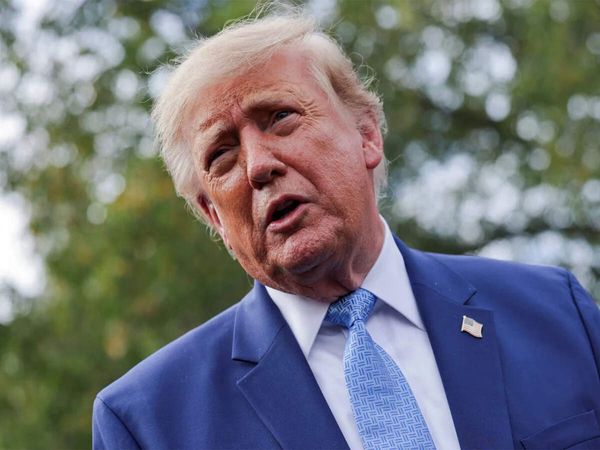
This week, however, the Trump administration seems to have let bygones be bygones. On Friday, the U.S. Department of the Treasury issued a three-page waiver lifting almost all economic sanctions on Syria unconditionally. On Wednesday, an American flag flew over Damascus for the first time in a decade as the Syrian government handed back the old U.S. ambassador's residence to Thomas Barrack, who serves as both U.S. ambassador to Turkey and special envoy to Syria.