
Get all your news in one place.
100’s of premium titles.
One app.
Start reading
The Mary Sue
The Mary Sue
Terrina Jairaj

Trump’s disastrous diplomatic moves are creating a new reality, leaving an entire continent bracing for an unimaginable catastrophe

Africa is facing a chilling new threat as ongoing conflict in the Arab world drastically disrupts vital supply chains, leaving countries across the continent bracing for severe economic fallout. This isn’t just about oil; we’re talking about crucial fertilizer imports that many African nations depend on heavily, and the ripple effects are already causing serious concern for food production and the cost of living.

The Strait of Hormuz, a vital shipping lane, has been seeing major disruptions since the USIsrael war on Iran began. This hasn’t just impacted oil and gas; what’s also affected is fertilizer, which is produced in huge quantities in the Gulf region. A whopping one-third of all seaborne trade in fertilizer, which is absolutely essential for improving agricultural productivity, travels through that strait. 

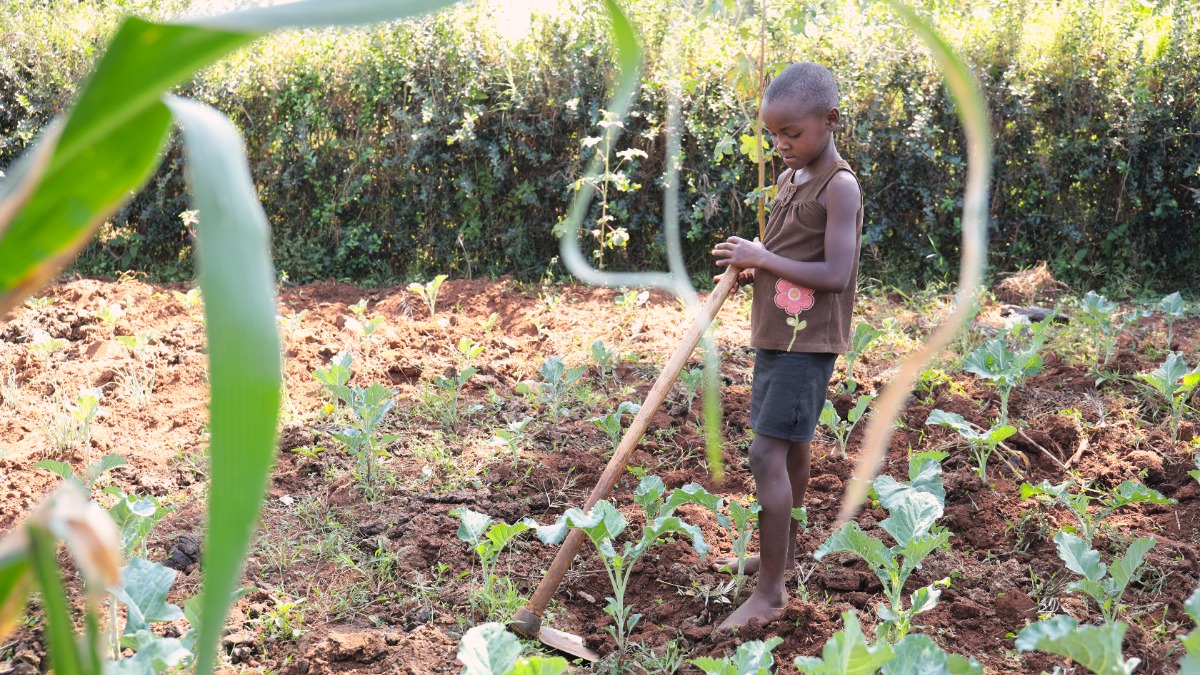
The Guardian reports that many African countries are super reliant on these imports. For example, Sudan gets 54% of its fertilizer this way, while Somalia and Kenya receive 30% and 26% respectively. The Gulf region, with its abundance of cheap fossil gas and sulphur, is a major global hub for creating nitrogen-based fertilizers like urea and phosphate fertilizers. So, when that supply line gets choked, everything comes to a standstill.

It is critical to understand how the Hormuz disruptions catalyze a domino effect

Since the conflict flared up last month, fertilizer prices have soared, and that’s going to hit food costs hard, intensifying the cost of living pressures for everyone, especially the most vulnerable. Rising oil and gas prices are just adding fuel to that fire. African economies are incredibly susceptible to these kinds of big shocks. They often rely heavily on foreign markets, deal with volatile commodity exports, carry high debt, and sometimes struggle with weak infrastructure.

Jervin Naidoo, a political analyst at Oxford Economics Africa, put it plainly: “Any disruptions, any shocks really affect all of us.” He also noted that while some countries have mechanisms like subsidies to cushion people, they might not be enough in the long run. XN Iraki, a professor of business and economics at the University of Nairobi, pointed out that higher oil prices will be felt “acutely” across Africa because so many people work in the informal sector, where income is often uncertain.

Governments across Africa are already feeling the pinch, making these supply chain disruptions even tougher to handle. Rama Yade, senior director, Atlantic Council’s Africa Center, highlighted on X that rising oil prices pose “serious economic challenges” for many governments. She suggested that leaders might have to increase subsidies or pass the cost directly to consumers, which “could trigger social and political pressure.” It’s a lose-lose situation for many.

To mitigate some of the energy shocks, countries are taking action. Kenya’s energy minister, Opiyo Wandayi, recently confirmed that the country has petroleum product imports scheduled through April and stated the ministry would “continue taking necessary actions to ensure there is uninterrupted supply.” 

In Tanzania, President Samia Suluhu Hassan has directed the energy ministry to beef up its strategic fuel reserves. Ethiopia has even introduced a special fuel subsidy to help its citizens cope with surging global oil prices, and Zambia has issued warnings to fuel retailers against hoarding the product.

While the situation looks grim for many, there’s a slight silver lining for oil-exporting African nations such as Nigeria, Algeria, and Angola. Rising crude prices could mean higher revenues for them as other countries look for alternative sources. However, the conflict isn’t just about what’s coming into Africa; it’s also impacting what goes out. 

African exports to the Middle East, or those passing through it by air and sea, are also affected by the ongoing war on Iran. Just last week, Kenya’s agriculture minister Mutahi Kagwe confirmed that the conflict has disrupted the export of key products like meat, tea, and other food items to the Middle East. It’s a complex web of challenges.

This isn’t the first time the continent has faced such widespread shocks either. Similar disruptions were observed in 2022 when Russia’s invasion of Ukraine threw global supply chains into disarray. 

Have a tip we should know? [email protected]

Sign up to read this article
Read news from 100’s of titles, curated specifically for you.
Already a member? Sign in here
Related Stories
Top stories on inkl right now
One subscription that gives you access to news from hundreds of sites
Already a member? Sign in here
Our Picks
Fourteen days free
Download the app
One app. One membership.
100+ trusted global sources.