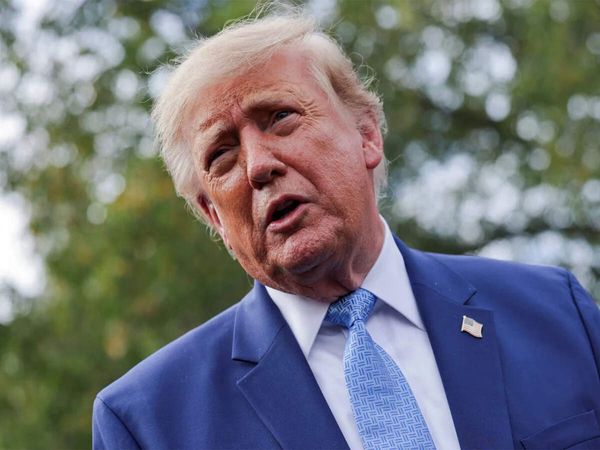
President Donald Trump signed a slew of executive orders on the first night of his second term, setting many of his campaign trail promises into action. Among those was his order challenging birthright citizenship—the 14th Amendment's guarantee that "all persons born or naturalized in the United States, and subject to the jurisdiction thereof, are citizens of the United States."
"The Fourteenth Amendment has never been interpreted to extend citizenship universally to everyone born within the United States," noted the executive order, which applies to babies "who are born within the United States after 30 days from the date" of its issuance. It directs U.S. government departments and agencies to stop issuing and recognizing citizenship-affirming documents for certain U.S.-born babies.
Last night's order outlined two categories of individuals born in the U.S. who do not automatically receive citizenship, in the White House's view. The first is a baby whose mother was unlawfully present in the U.S. and whose father was not a U.S. citizen or lawful permanent resident at the time of that baby's birth. The second is a baby whose mother's presence in the U.S. "was lawful but temporary" and whose father was not a U.S. citizen or lawful permanent resident at the time of that baby's birth.