Get all your news in one place.
100’s of premium titles.
One app.
Start reading
International Business Times UK
World
Chelsie Napiza

Trump Reverses Tone on Fatal Renee Good Shooting After Discovering Victim's Parents Are His 'Tremendous Fans'

President Donald Trump has abruptly shifted his stance on the fatal shooting of Renee Nicole Good, describing the death of the 37-year-old mother as a 'tragedy' moments after revealing he had been informed her parents were strong backers of his presidency.

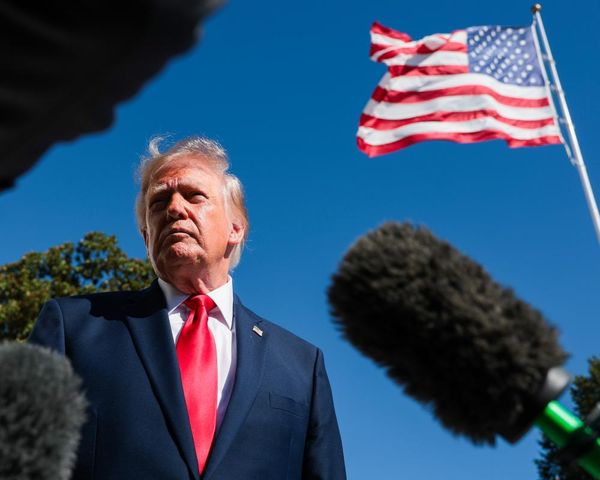
In a briefing at the White House marking the first anniversary of his second inauguration, the President appeared to soften the administration's previously combative narrative regarding the January 7 incident in Minneapolis.
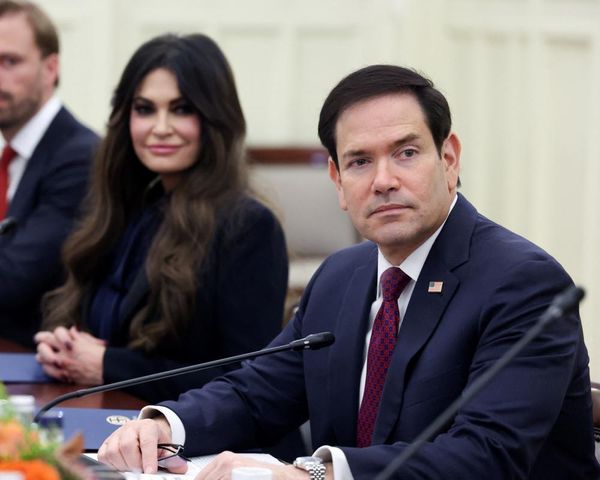
While earlier statements from top officials, including Department of Homeland Security Secretary Kristi Noem, had framed the enforcement operation within the context of counter-terrorism, Trump offered a notably more personal, humanised response upon learning of the family's political allegiance.

Good, a 37-year-old mother of three, was fatally shot by an ICE agent in Minneapolis on 7 January 2026, an incident that has ignited nationwide protests and intense political scrutiny over the use of force by federal immigration authorities.

A Tragedy and a Shift in Rhetoric

During a White House press briefing on 20 January 2026, marking the first anniversary of his second inauguration, Trump stated that he 'felt horribly' about Good's death and called it 'a tragedy' and 'a horrible thing.' He also said he hoped Good's father, whom he described as a 'tremendous Trump fan,' still supported him despite the family's loss.

The comments represent a discernible moderation from earlier statements in which Trump and senior administration officials characterised Good as a threat, with some administration figures, including Department of Homeland Security (DHS) Secretary Kristi Noem, labelling the incident part of broader enforcement against what they called 'domestic terrorism.'

Trump's shift matters because it underscores the tightrope politicians walk between law-and-order rhetoric and public sympathy after fatal use-of-force incidents, particularly when the victim's personal background complicates prevailing narratives.

The Minneapolis Shooting and Aftermath

According to official and independent accounts, Good was shot by ICE agent Jonathan Ross during a federal enforcement operation in Minneapolis. Footage and emergency records reviewed by multiple outlets show her vehicle moving slowly from the scene when Ross fired at her, striking her multiple times. Emergency responders pronounced her dead at a local hospital after attempts at resuscitation.

ICE Agent looks in the car in Minneapolis during the fatal shooting of Renee Good on 7 January (Credit: Chad Davis - https://chaddavis.photography/sets/ice-in-minneapolis//Wikimedia Commons)

The federal government has defended the use of force, asserting that the agent acted in self-defence after alleging Good tried to use her vehicle as a weapon, a claim disputed by several eyewitness accounts and video evidence showing her car turning away from the officer.

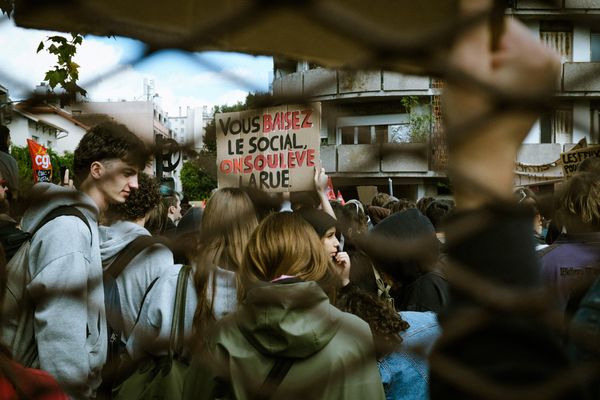
The response to the shooting has been fierce. Protests have flared in Minneapolis and other cities, with local officials urging calm even as tensions escalate. Minneapolis Mayor Jacob Frey and Minnesota Governor Tim Walz have both publicly challenged the federal narrative and called for an independent review of the incident.

Protesters at Foley Square for ICE killing of Renee Good (Credit: Wikimedia Commons/SWinxy)

Notably, six federal prosecutors in Minnesota resigned in protest over the Department of Justice's decision not to pursue a civil rights investigation into the shooting, underscoring the legal and political fractures the case has exposed.

Political Ramifications and Legal Challenges

The Biden-era tradition of deferring to local authorities on use-of-force accountability appears to be reversed under Trump's second administration. Federal prosecutors have subpoenaed state officials, including Governor Walz, as part of an investigation into alleged obstruction related to ICE operations, while refusing to broaden the investigation into the fatal shooting itself.

The Supremacy Clause and federal jurisdiction greatly complicate efforts to hold a federal agent accountable in state court for an on-duty shooting. However, some Minneapolis civil rights lawyers have indicated the possibility of civil lawsuits or state prosecutions in parallel to federal legal processes.

Renee Good and her then-husband Timmy Macklin Jr. (Credit: Morgan Fletcher/Facebook)

Good's family, represented by civil rights attorney Antonio Romanucci, the lawyer who represented George Floyd's family, has initiated an independent investigation and indicated plans for litigation over the shooting, suggesting that the dispute over legal accountability is far from settled.

Trump's softened public tone on the Renee Good shooting, calibrated after learning her parents' political affiliation, stresses the fraught intersection of federal enforcement policy and public tragedy. The legal and political disputes surrounding the case continue to unfold, with widespread implications for federal authority and national debates over immigration enforcement.

The legacy of this incident may shape public trust in law enforcement and government accountability long after the protests subside.

Sign up to read this article
Read news from 100’s of titles, curated specifically for you.
Already a member? Sign in here
Related Stories
Top stories on inkl right now
One subscription that gives you access to news from hundreds of sites
Already a member? Sign in here
Our Picks
Fourteen days free
Download the app
One app. One membership.
100+ trusted global sources.