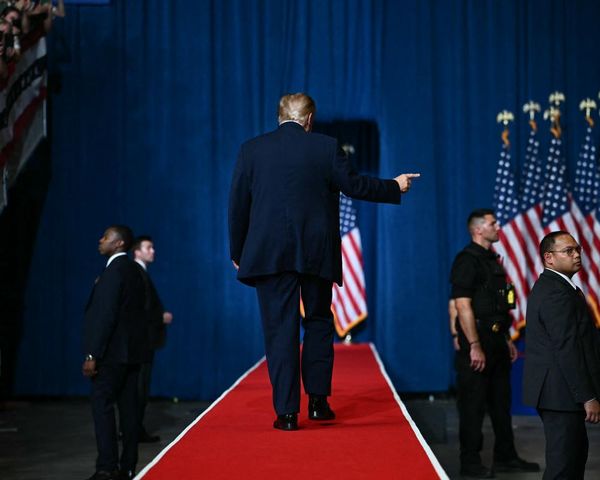
President Donald Trump has again placed his health and mental fitness at the centre of national debate after publicly claiming he 'aced' a cognitive test that he says no other president was willing to take. The remarks, delivered amid rising dementia rumours and renewed scrutiny of his age, have fuelled political controversy and intensified calls for greater transparency over the health of those in the highest office.
Trump has insisted that White House doctors declared him in 'perfect health' following recent medical evaluations, including a cognitive screening he says he passed with full marks. He has repeatedly portrayed the test as evidence of superior mental sharpness, arguing that such assessments should be mandatory for all presidential and vice-presidential candidates. However, the lack of detailed disclosure surrounding the exam has prompted questions from critics, medical experts and political opponents.
Trump's Health Claims and Cognitive Test Scrutiny
Trump's latest statements build on a pattern of public boasts about his cognitive performance, with the president asserting that he has completed multiple screenings. He has argued that his willingness to undergo such testing sets him apart from other leaders and demonstrates his readiness to serve. The White House has confirmed that Trump underwent routine physical examinations and cognitive screening, but has not released full documentation detailing the specific tests used or the results.
Medical professionals note that commonly used cognitive assessments are designed as screening tools to identify potential impairment rather than as comprehensive measures of intelligence or leadership capacity. Experts have cautioned that passing such a test does not necessarily equate to broader cognitive fitness, particularly in high-pressure decision-making environments. This context has become central to the debate, as Trump's claims are increasingly framed by critics as defensive responses to speculation rather than routine health updates.
The scrutiny has been sharpened by visible signs that have drawn public attention, including bruising on Trump's hands, which officials attributed to chronic venous insufficiency and aspirin use. The White House has also confirmed that Trump recently underwent a CT scan that showed no cardiovascular abnormalities. Trump has defended his health regimen, insisting that doctors remain satisfied with his condition and that concerns are politically motivated.
Political Reaction and Renewed Dementia Debate
Trump's remarks have triggered a swift political reaction, with Democratic figures calling for greater transparency around presidential health disclosures. Some lawmakers have argued that inconsistencies in Trump's public statements warrant closer oversight, while others have accused critics of exploiting health narratives for political gain. The White House has rejected suggestions that Trump's cognitive state is deteriorating, maintaining that he remains fully capable of fulfilling his duties.
Dementia rumours have intensified following a recent controversy in which Trump made vague comments referencing a possible US strike involving Venezuela. The remarks sparked brief international concern and were widely criticised for lacking clarity, prompting analysts to question whether the president fully grasped the implications of his words. While the administration later sought to downplay the comments, the episode has been repeatedly cited by critics as an example of why cognitive fitness has become a focal issue.
Age has become an unavoidable part of the discussion, with Trump now the oldest serving US president. Health and mental sharpness have emerged as recurring themes throughout his presidency, reflecting broader anxieties about leadership longevity and decision-making capacity. Supporters argue that Trump's record, public engagement and willingness to undergo testing demonstrate resilience, while opponents contend that transparency remains insufficient.
The debate has also highlighted wider questions about how presidential health should be assessed and communicated to the public. While Trump has used his cognitive test claims to project confidence and strength, the absence of detailed medical reporting has ensured that speculation continues. As the issue gains traction across US media and political circles, Trump's health narrative is likely to remain a prominent and contentious topic in the months ahead.