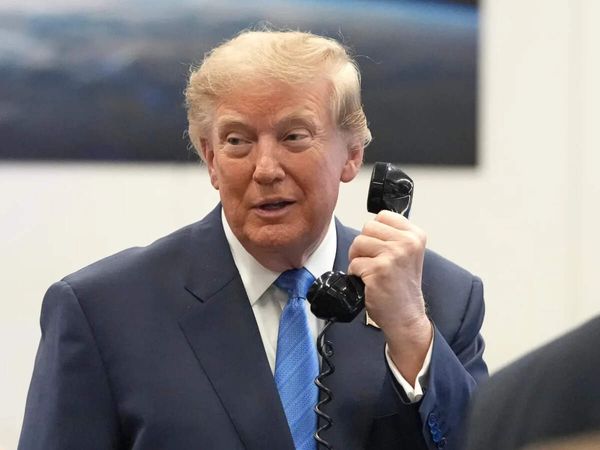
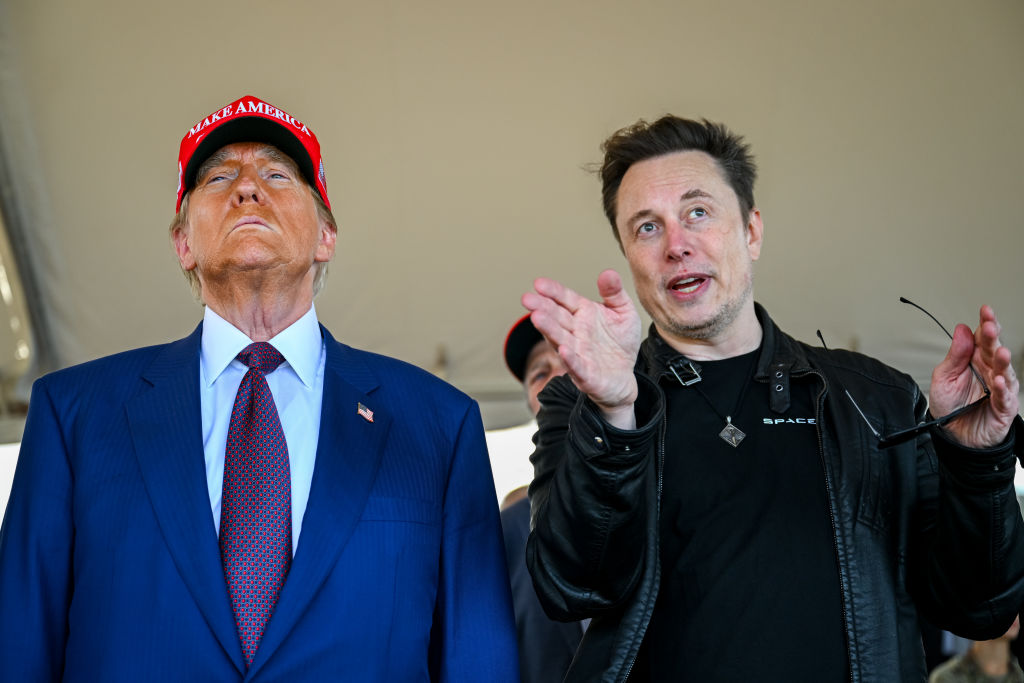
Donald Trump and Elon Musk recently made headlines over an issue we don’t typically associate with this president of the United States and a tech CEO: history.
On July 22, Musk posted on X, the social media platform he owns, that his generative artificial intelligence model Grok would produce, by year’s end, a feature-length movie of “The Odyssey” that is “historically accurate and true to the art of Homer.” Two days later, Trump issued an executive order mandating that signage be placed on the exterior of Smithsonian Institution museums, alerting visitors to the “inaccurate information” conveyed in the displays within, and directing them to “locations and resources for accurate information regarding America’s history.” Striking in these two apparently unrelated episodes is one word in particular — accuracy — and important lessons museums and historians can learn to combat these attacks on the integrity of historical research.