Get all your news in one place.
100's of premium titles.
One app.
Start reading
International Business Times UK
World
Christelle May Napiza

Trump Administration Weakens Endangered Species Protections by Rolling Back Habitat Rules

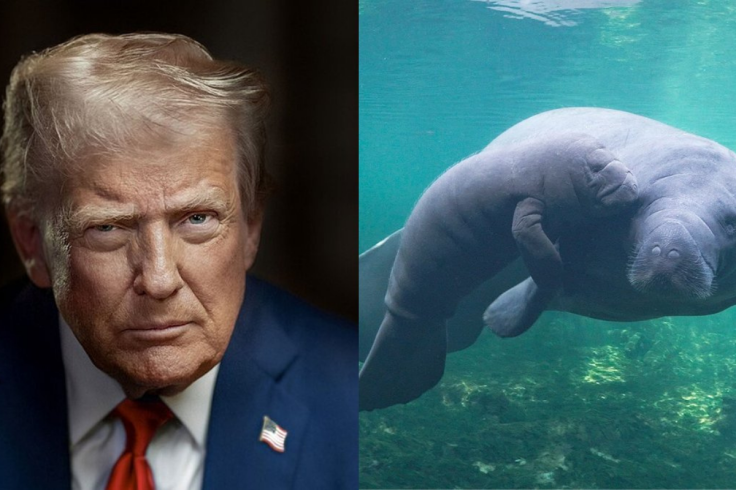
Trump Administration Weakens Endangered Species Protections Leaving Imperiled Animals At Risk Of Extinction (Credit: X: FactPost)

The federal government has quietly redefined a single word – and in doing so has stripped legal protection from the forests, wetlands and deserts that endangered wildlife depend on to survive. The Interior and Commerce departments finalised a rule on Friday, 10 July 2026, narrowing the definition of 'harm' under the Endangered Species Act. Destroying an animal's habitat no longer counts as harming it.

The change was published in the Federal Register on 14 July and is set to take effect on 14 September. It opens vast tracts of previously protected land to logging, mining and oil and gas drilling. Environmental groups have already sued to block it, arguing the rewrite violates fifty years of legal precedent, including rulings from the US Supreme Court.
The Rule That Redefines Harm

For half a century, the US Fish and Wildlife Service defined 'harm' to include significant habitat modification or degradation that might impact a species' ability to feed, reproduce or seek shelter. The new rule strips that language out entirely, meaning agencies can no longer block habitat-destroying projects on the grounds that they injure or kill species indirectly.

A representative for NOAA Fisheries said in a statement that the final rule would restore the definition of 'harm' to its original intent as written under the ESA. The agency added that the changes would maintain protections for endangered species while reducing unnecessary or duplicative permitting requirements, cutting compliance costs and eliminating confusion for Americans. The agencies frame the change as a correction of regulatory overreach rather than a weakening of the law itself.

Conservationists reject that framing entirely. Tara Zuardo, a senior campaigner at the Center for Biological Diversity, said that for most all species the number-one driver of extinction is damage and harm to their habitat, whether that is grazing, pollution or climate change. She added that if you are no longer counting that as harm under the law, you are not going be able to protect any of the listed species.

Conservationists File Emergency Lawsuit to Block Rule

Environmental lawyers moved almost immediately. Earthjustice, together with more than half a dozen other environmental groups, filed a lawsuit in federal district court in Seattle against the US Fish and Wildlife Service and NOAA Fisheries the same day the rule was published.

The plaintiffs named in the case include the Center for Biological Diversity, Columbia Riverkeeper, Conservation Law Foundation, Conservation Northwest, Friends of the Wild Swan, Oregon Wild, Sierra Club, Swan View Coalition and WildEarth Guardians, all represented by Earthjustice. Earthjustice attorney Kristen Boyles said that preventing harm to wildlife by protecting where they live, eat and sleep is the foundation of the Endangered Species Act. She argued that the Trump administration repeal violates the core purpose of the statute and decades of legal precedent, including from the US Supreme Court.

The suit warns the rule could have immediate consequences for some of America's most recognisable threatened animals, listing Florida manatees, grizzlies, salmon and steelhead, rufa red knots, golden-cheeked warblers, northern spotted owls, Hawaiian monk seals, Canada lynx, and insect pollinators among the species at risk. Noah Greenwald, endangered species co-director at the Center for Biological Diversity, called the timing especially damning, saying it was beyond tragic that as the world's scientists warn of an extinction crisis threatening to unravel our shared future, the Trump administration was yanking basic protections from the most endangered wildlife.

Industry Cheers While States Face Regulatory Vacuum

Industry groups have welcomed the change. Holly Hopkins, a senior director at the American Petroleum Institute, said her organisation supports commonsense ESA policies that both protect wildlife and support American energy leadership. The Associated General Contractors of America has similarly praised the move as overdue.

The rewrite builds on an earlier push. The administration had already moved in November 2025 to eliminate the Fish and Wildlife Service's 'blanket rule', which automatically extended endangered-level protections to newly listed threatened species. Interior Secretary Doug Burgum said at the time that the changes would restore the Act to its original intent while respecting the livelihoods of Americans who depend on the country's land and resources.

Stateline reported that the rule change will open many landscapes to development, logging, mining and oil and gas drilling – even as experts warn states are not equipped to take on the habitat-protection role the federal government is stepping back from. Ben Levitan, a senior Earthjustice attorney, put the stakes bluntly on Democracy Now, saying the administration was trying to say that destroying a species' habitat does not count as harming it under the Endangered Species Act, despite a law that was passed almost unanimously by Congress in 1973 and signed by President Richard Nixon.

With the rule due to take effect on 14 September and litigation now under way in Seattle, the fight over what counts as 'harm' to America's endangered wildlife will next be settled in a federal courtroom rather than a government press release.

Sign up to read this article
Read news from 100's of titles, curated specifically for you.
Already a member? Sign in here
Related Stories
Top stories on inkl right now
Our Picks
Fourteen days free
Download the app
One app. One membership.
100+ trusted global sources.