The Trump administration will end its immigration crackdown in the Twin Cities, White House border czar Tom Homan announced Thursday.
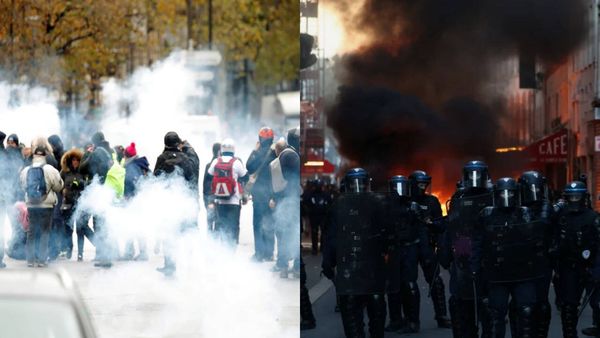
Why it matters: The 10-week surge roiled Minnesota, left two U.S. citizens dead and proved politically toxic for the White House.

Driving the news: Homan said at a Thursday morning news conference that a "significant drawdown" of the roughly 2,000 remaining federal agents is underway and will continue through next week.
- "Operation Metro Surge is ending," he said. "In the next week, we're going to deploy the officers here on detail back to their home stations or other areas of the country [that] are needed."
What he's saying: While local immigration enforcement will continue, Homan said the operation has achieved the "successful results we have came here for," citing over 4,000 arrests and "unprecedented cooperation" from local law enforcement.
- "The Twin Cities and Minnesota in general are and will continue to be much safer for the communities here because of what we have accomplished," he said.
Catch up fast: The White House flooded the state with thousands of agents over the last two months, citing concerns about alleged fraud in government programs involving residents of Somali descent.
- Backlash from the public and Congress grew following social media videos and news reports documenting racial profiling, alleged civil rights violations and aggressive conduct by agents, including the fatal shootings of "ICE Watch" observers Renee Good and Alex Pretti.
- Fallout over the surge and the administration's handling of the shooting investigations drove over a dozen federal prosecutors in Minnesota to quit.
- In late January, as polls cratered and political pressure grew, Trump sent Homan to Minnesota to meet with state and local officials and oversee a drawdown.
What to expect: Homan said a "small footprint of personnel will remain for a period of time to close out and transition full command and control back to the field office."
- He said he has directed federal agents based in Minnesota to be deployed across the state so that jails can transfer inmates without having to hold them beyond their scheduled release date.
- That move could address a key friction point for local sheriffs, who say complying with longer detainer requests can expose their agencies to lawsuits.
The intrigue: Homan claimed that he secured commitments from local law enforcement to transfer undocumented inmates within jails into federal custody and help agents "shut down unlawful agitator activity" impeding their operations, but details of those potential agreements remained unclear Thursday morning.
- The Hennepin County Sheriff's Office — which runs the state's largest jail and has a policy against cooperating with ICE — said in a statement that it "does not conduct civil immigration enforcement, and our policies remain unchanged."
- Gov. Tim Walz told reporters that "nothing has changed" for the state, which maintains that it already complies with ICE detainer requests.
- "My take was they knew they needed to get out of here — but in very Trumpian fashion, they needed to save face," he said.
Between the lines: Critics continued to raise concerns about ICE's targets and tactics despite Homan's drawdown announcement, citing the presence of agents at or around courthouses, schools and bus stops.
- On Wednesday, a pursuit by federal agents resulted in a multi-car crash near a busy pedestrian intersection in St. Paul.
What we're watching: While the crackdown is winding down, local officials say the emotional and economic damage to families, businesses and schools will be difficult and costly to repair.
- "This operation has been catastrophic for our neighbors and businesses, and now it's time for a great comeback," Minneapolis Mayor Jacob Frey said on X.
Editor's note: This story has been updated throughout with additional information.