Get all your news in one place.
100's of premium titles.
One app.
Start reading
Roll Call
Roll Call
Kelly Livingston

Trump administration cuts mileage rules for cars, light trucks

The Transportation Department released a final rule Monday that aims to “reset” the National Highway Traffic Safety Administration’s fuel economy standards, rolling back substantial required mileage increases for automakers’ fleets implemented under the Biden administration.

Dubbed “Freedom Means Affordable Cars” by the department, the 892-page rule will impact Corporate Average Fuel Economy standards for cars and light trucks from model years 2022 through 2031.

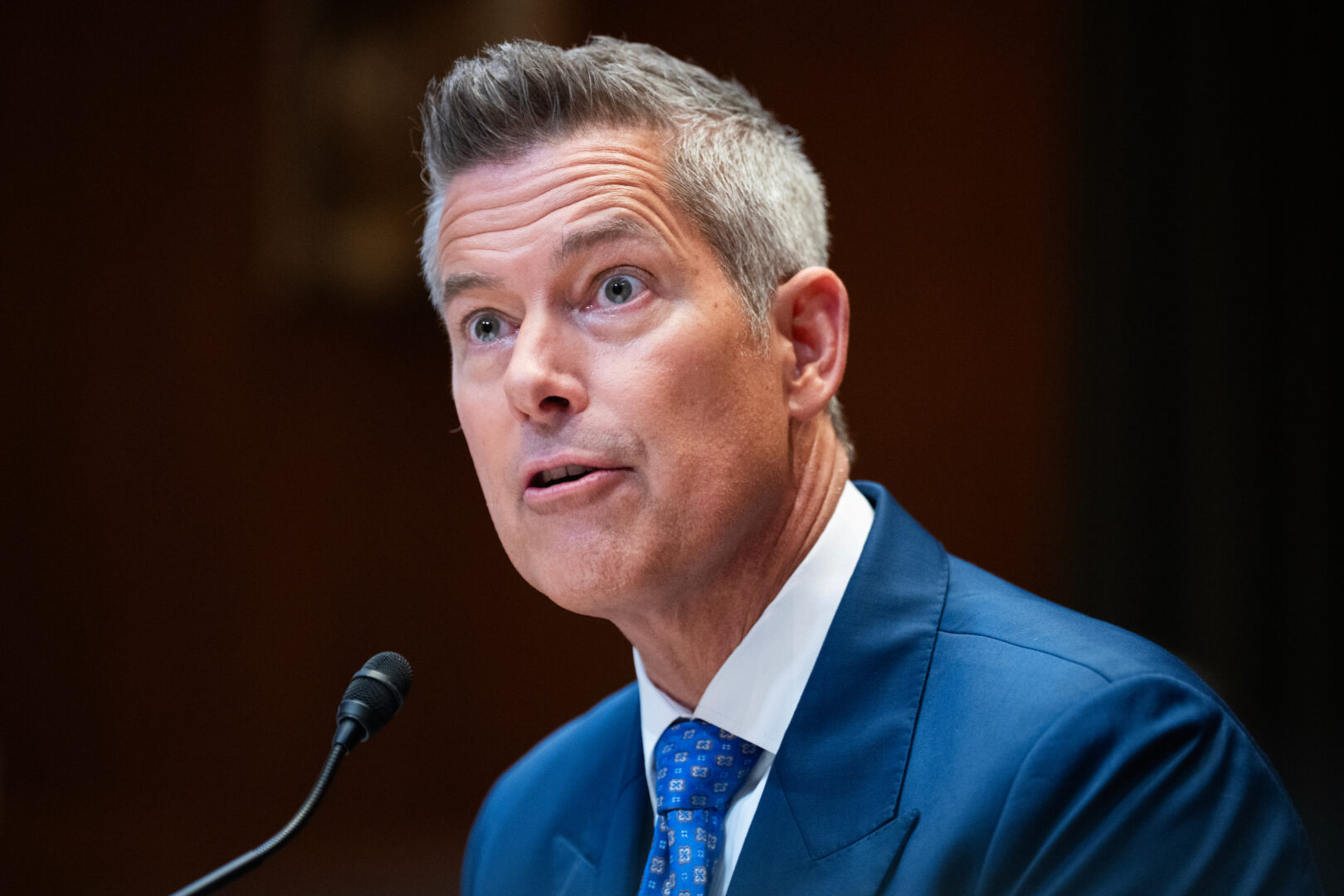
The administration is touting the rule as a major deregulatory action to reverse the prior administration’s “green agenda.” Transportation Secretary Sean Duffy said in a statement that “we have finally ended the illegal mandate that forced automakers to produce more expensive electric vehicles that American families didn’t want.”

Shares of Tesla Inc., the leading U.S. manufacturer of EVs led by President Donald Trump’s on-again, off-again ally Elon Musk, dropped after the announcement.

The final rule comes after the administration last December proposed major reductions to the Biden-era CAFE rules, which would have mandated automakers achieve 50.4 miles per gallon by the 2031 model year.

That more stringent standard likely would have required automakers to rely on a mix of electric vehicles, hybrids or other zero-emission technologies, critics said, while raising consumer costs for an average new car purchase.

On Monday, the DOT said their updates to the standards will reduce the average cost of a new vehicle by $1,300 and save consumers an estimated $138 billion over the next five years.

“With our commonsense standards in place, we are making the American dream affordable again, putting safer cars on the road, and investing in the American autoworker,” Duffy said.

Under the new standards, NHTSA is estimating a fleet average fuel economy of about 34.9 miles per gallon by model year 2031. While that represents a modest increase from the average in 2024 of about 30.1 miles per gallon, it does effectively pump the brakes on the emissions reductions the Biden administration was aiming for with its own standards.

Model years 2022 through 2026 have already been released and some model year 2027 cars and trucks have already rolled off production lines. So in practice, the rule will largely affect new cars beginning with the 2028 model year. But by lowering the baseline for future administrations, the Trump White House is making a substantial dent in long-term fuel economy advancements.

The main industry trade group for domestic and foreign automakers said it was still reviewing details but that NHTSA “made the right call” with the new rule’s direction.

“The standards finalized under the previous administration effectively required a switchover to electric vehicles that was out of step with market realities and customer demand,” Alliance for Automotive Innovation President and CEO John Bozzella said in a statement. “Today’s final rule is an appropriate course correction.”

Trump previewed the administration’s plans over the weekend in a post on Truth Social, saying they would terminate the Biden administration’s “EV mandate” and “take the waste out of building cars in America.”

“That means LOWER PRICES, saving families thousands on a new, beautiful and safe car — Far better than the Environmental Monsters that we were building heretofore,” Trump wrote.

Earlier, Republicans in their July 2025 budget reconciliation package zeroed out civil penalties for automakers’ noncompliance with CAFE standards.

The Trump administration is taking heat from environmental advocacy groups over its plans to roll back the Biden-era standards.

In contrast to the Trump administration’s claims of cost reductions, Environmental Defense Fund said the rule would cause Americans to spend an average of $1,600 more on gas, a figure cited in NHTSA’s own regulatory impact analysis. EDF said that amount would be even greater if accounting for current high fuel costs.

“For decades, our national fuel economy standards have steadily made our vehicles more efficient and less expensive to drive,” EDF senior transportation attorney Andy Su said. “Now these Trump administration rules are expected to be a sharp U-turn that will mean wasted gas, more pollution, and higher costs for Americans who are already struggling with high fuel prices.”

Sign up to read this article
Read news from 100's of titles, curated specifically for you.
Already a member? Sign in here
Related Stories
Top stories on inkl right now
One subscription that gives you access to news from hundreds of sites
Already a member? Sign in here
Our Picks
Fourteen days free
Download the app
One app. One membership.
100+ trusted global sources.